With the increased need to be prepared for a major incident or a life threatening bleed in an urban situation, we have put together the following package of options, tailored to different scales of operation. These options will help you satisfy the requirements of Martyn’s Law, and know that you are doing the right thing to prepare for and respond to a serious situation.
Our experts at First Aid Training Co-operative have also created a user-friendly and free flowchart tool to help you navigate your potential responsibilities and suggested courses of action. It is in PDF format with embedded links to navigate you to the relevant pages on our website. Please click the button below which will open the PDF in a new window for you.
Martyn’s Law is the more commonly recognised name for the new Terrorism (Protection of Premises) Act. The Act received Royal assent on 3rd April 2025 and the UK Government intends for there to be a 24 month implementation period prior to the Act coming into force. the Act has been drafted in response to the Manchester Arena bombing enquiry.
Martyn’s Law in it’s current form is aimed at those responsible for venues and premises or events, who are then divided into 2 tiers:
Standard Tier Premises – those with a capacity of between 200 – 799 individuals
Enhanced Tier Premises and qualifying public events – with a capacity of 800+ individuals
The bill will place a requirement on responsible persons to consider the threat from terrorism as part of their operational process. It will require them to take reasonable measures (in relation to the tier that they fall under) to mitigate the threat of terrorism. These may include implementing enhanced security systems, training staff more fully, and reviewing and updating Emergency Action Plans and protocols.
Once the Act comes into force the Regulator will have powers to inspect premises and events, with full powers of entry into an event or premises that qualifies, with sanctions enforced for non-compliance.
What should I do to satisfy the First Aid requirements of Martyn’s Law as a Standard Tier Premises?
Persons responsible for Standard Tier Premises and events of scale between 200 – 799 will require to have in place, as far as reasonably practicable, appropriate public protection procedures that could be reasonably expected to reduce the risk of physical harm if an attack occurs there or nearby.
They should consider what protocols should be followed in the event of such an incident taking place, and ensure that staff members are adequately notified of this
There is no specific requirement for First Aid provision for Standard Tier Premises, beyond that which would normally be covered by the First Aid Needs Assessment. However, best practice would include:
Refering to the First Aid Needs Assessment, premises and event organisers should ensure that it is still relevant and it’s findings have been satisfied.
Any first aid equipment must be fit for purpose and within its use-by date. They should also consider whether Public Access Trauma (PAcT) First Aid Kits should be acquired and made available at the premises.
Relevant workers (including volunteers) should be trained appropriately to use the equipment if it is available, and have refresher training sessions planned.
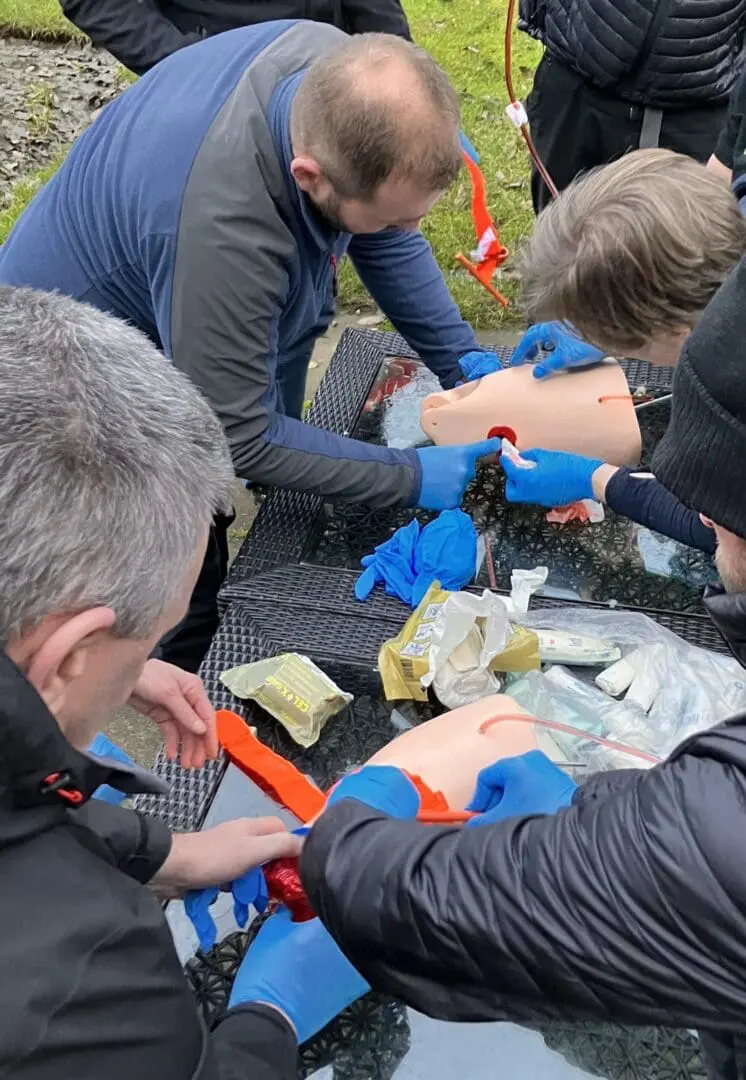
Our Managing Life Threatening (Catastrophic) Bleeding Module is designed specifically to train first aiders in the use of PAcT First Aid Kits. These kits usually contain emergency pressure bandages, some Haemostatic dressings or gauzes, a tourniquet, and other items such as gloves and shears. These items can be crucial in saving a life in the case of catastrophic, or severe, bleeding, but proper training in their use is essential.
Catastrophic Bleeding Module Content
What is catastrophic bleeding?
The correct use of direct pressure
The effective use of pressure dressings and their limitations
The safe and effective use of Haemostatic gauze as per the ERC guidelines
The safe and effective use of Tourniquets as per ERC guidelines
The practical session includes prosthetic models with bleeding effects so learners get to manage haemorrhage in almost real time. This allows learners to truly understand and experience the amount of pressure required, or how to apply a tourniquet properly, and what happens if you don’t.
Our Life Threatening (Catastrophic) Bleeding Module can be run as a standalone 3 hour course for organisations that want to up-skill already trained staff in response to Martyn’s Law. It is also very suitable for establishments such as schools and community centres who do not fall under the scope of Martyn’s Law, but have identified life threatening (catastrophic) bleeding as a risk and want to be best prepared for how to respond.
A simplified version of our Life Threatening Bleeding Module can be added to a 3 day First Aid at Work course or 1 day Emergency First Aid at Work course as well, at no extra cost. This means that smaller organisations can ensure that they are best prepared for a serious incident, as part of doing their regular first aid training.
What should I do to satisfy the First Aid requirements of Martyn’s Law as an Enhanced Tier Premises?
As an Enhanced Tier Premises or Events, you must comply with everything required of the Standard Tier plus some additional responsibilities. Again there is no specific requirement for First Aid Training detailed in the Act, but the emphasis is about doing what would be reasonable for the context of your premises or event. It is therefore very likely that you will need to take your preparedness a step further than just adding our Catastrophic Bleeding Module to your usual first aid training, and that is where our Major Incident Management course comes in.
This was designed and is delivered by team members from the Scottish Ambulance Service’s Special Operations Response Team, along with our Training Manager and one of our Directors. The course not only trains you in the first aid aspects of a major incident, but also how to manage the incident, including the new Ten Second Triage protocol, also developed in response to the Manchester Arena attack.
Major Incident Management Course Content
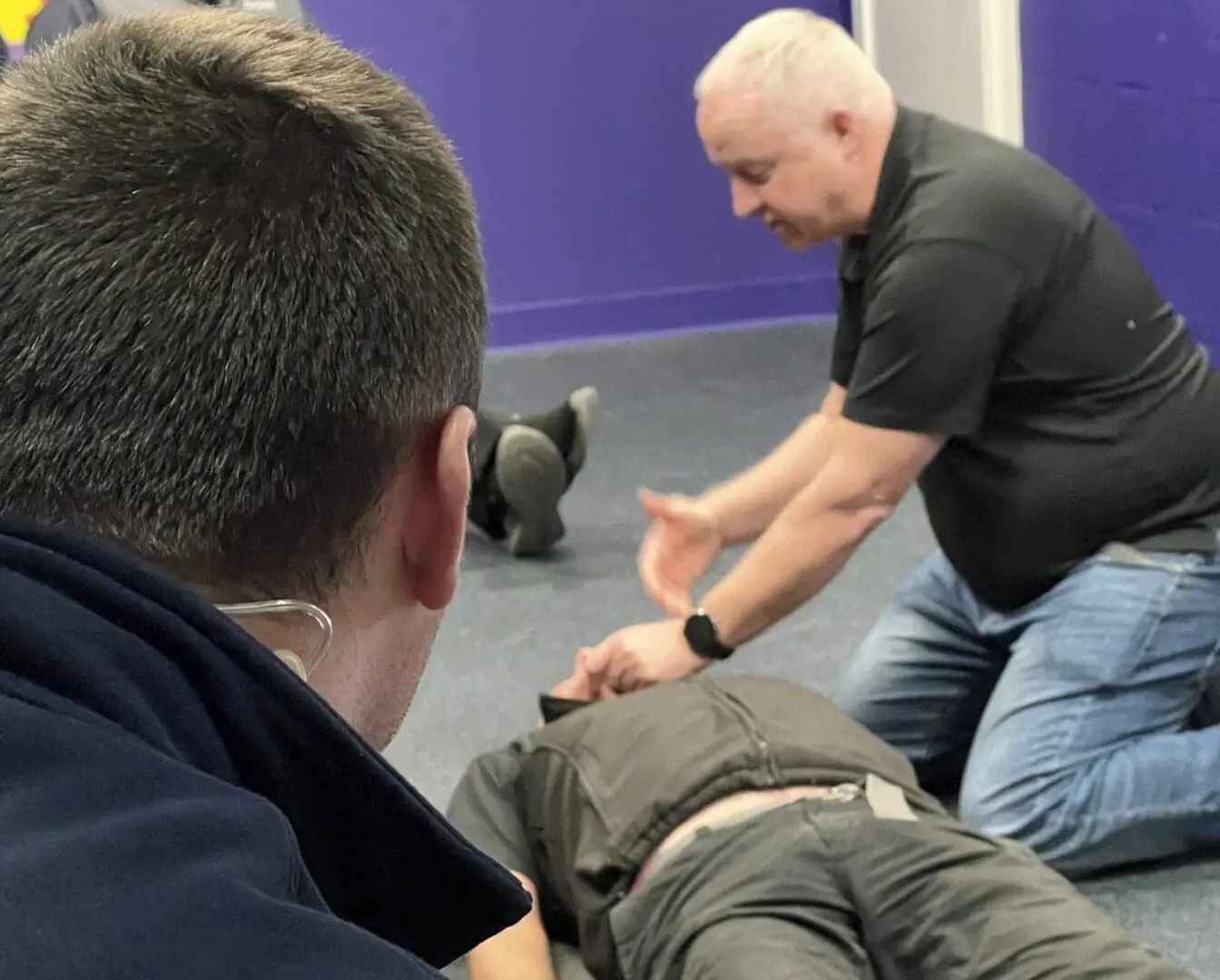
The course itself is one day long and includes multiple large scale scenarios at your premises, where you’ll get to practice your response to a potentially stressful and traumatic event. It also includes a pre-course visit where one of our team will come and discuss your organisation with your senior team to best understand the context in which you operate.
Our Major Incident Management course is the gold standard of training for organisations that are serious about being prepared and being able to respond should they have to.
Over 7,000 students each year learn life saving skills on our courses, read our reviews…
An excellent First Aid At Work/Equestrian course today. A really good mix of practical role plays and discussion/slide based content. Our trainers, Rachel and Molly, were brilliant. They were both professional, friendly, supportive and approachable. The course was very enjoyable without detracting from the seriousness of the topics being covered.
Janet Peters11 months ago
Excellent, entertaining and very practical.
Jodie B11 months ago
Fantastic 3 days training with Suzie. Amazingly interactive course with opportunities to work in realistic environments and scenarios tailored to your workplace. Suzie is an extremely knowledgeable trainer and puts you at ease immediately. We've left with an abundance of new knowledge and confidence!
Chrissie Saville11 months ago
Wonderful trainer. Kept it exciting and vibrant!
Wayne Werfel11 months ago
Great training and enjoyable experience
Joe Bartram12 months ago
Engaging teacher, great course content and suitable for our specific needs. 5 stars!
Jonathan Woolley12 months ago
Absolutely brilliant course! So informative and has really built my confidence
Anna M. Ciborowska12 months ago
The course was really good! Engaging and informative, at no point did I think "when is this over" like with other courses of similar nature I've done in the past. Susie was funny and so knowledgeable, and tailored the content to the needs of our work. Five stars!
Terry Lusher (silverfox)12 months ago
Absolutely amazing. Very interactive and practical.
Robert Carter12 months ago
Excellent course, great instructors and fantastic lay out also covered alot of aubjects.
Louis1 year ago
Had a wonderful one day course taught by Cameron. Full of hands on experience and richly informative. Really helps to build your confidence in responding to a first aid incident through learning by doing. I'd highly recommend them!
Stewart Dalzell1 year ago
Fantastic course, very engaging presenters with lots of practical scenarios both demonstrated and carried out be the attendees. Very worth while for multiple workplaces.
Pablo Bell Molina1 year ago
Great course, Suzie was very engaging and the 6 hours flew by. Thank you very much, feel a lot more confident to carry out first aid now!
Jane Marshall1 year ago
Brilliant course, beautifully delivered. Thank you Sam!
Kate Polonska1 year ago
Thank you! It was very practical and useful!
Anna Polonska1 year ago
thank you so so much!!! the session was so practical and i learnt so much crucial life skills. i think the amount of “hands on” stuff was just great and i loved the way course was presented!!!!
Bonnie Rogers1 year ago
Great day. Very interesting and interactive
Janey Allen1 year ago
Very useful. Very informative and interesting. Well presented
Emily Dove1 year ago
Sam was fantastic and engaging.
Kirsty McLaughlin1 year ago
Excellent class, lots of information, very engaging teachers. Feel prepared and confident to help
Liam Brunton1 year ago
Very interesting and detailed 2 day outdoor first aid training. The two first aiders Steve and Isa were brilliant and I would highly recommend picking this course with them
Frazer Hamilton Sinclair1 year ago
Great course, really useful and very well taught
Pegasus RDA1 year ago
Excellent course - very informative with lots of hands-on practice. Brilliant instructor (Molly). Thank you!
Clare Huish1 year ago
Brilliant, hands-on course! Molly was excellent & we covered a lot of general & equestrian first aid. Thank you!
Caroline Nichol1 year ago
Excellent trainer, detailed, learned so much!
katriona edlmann1 year ago
Dave was a superb tutor, knowledgable and engaging. Great course excellent content - thanks
Alejandra Arana1 year ago
This was a brilliant course, Dave was an excellent instructor
Laura Albutt1 year ago
Fantastic trainer, very well informed and professional
Kate Haughton1 year ago
Molly was fantastic in our training session, it was very engaging and informative. She gave great advice and memorable phrases to help us remember key things in first aid.
Helen Hart1 year ago
Great training delivered by Molly, really informative and interactive to help learn practical elements.
Hannah Bone1 year ago
Really loved this course, was very informative and Molly was very engaging. Great fun but also learning all we need to help us within our work place.
Rosa Dakin1 year ago
A really informative course delivered by Molly. Covered all the key tops in an engaging way. Thank you!
Annabel Stanley1 year ago
Really fun and useful day - Molly was a great trainer!
Penny Paris1 year ago
Very informative and insightful & the hands on element really helped with learning the correct techniques.
Kerry Matear1 year ago
This paediatric aid course was brilliant! The instructor Mike was super knowledgeable and made learning about CPR and bandaging techniques really engaging. Highly recommend!
Lee Crome1 year ago
Had the best 2 days on the paediatric First Aid Course with Mike. Delighted with all aspects of the training. Would definitely recommend this course to anyone who works with children. Thanks 😊
Ross Harrison1 year ago
Great course, I did paediatric first aid over two days, and learned some new things amd reinforced lots of previous knowledge.
Sam J1 year ago
Helpful and relaxed. Covered a lot of topics but took care to make sure the most vital cpr parts were covered. Plenty of practical tasks and care taken in showing traumatic images. Thanks.
Lisa Houston1 year ago
Great training - clear explanations and facilitation
Laura Benson1 year ago
Excellent course, very informative & engaging.
Maaike Vrancken1 year ago
Great training; friendly, informative and hands-on. Highly recommend
Katie Mash1 year ago
I feel prepared to do first aid in the outdoors safely! Thank you very much Will 👍☺️
Clare Francess McAllan1 year ago
The course was very informative and very well presented by Cameron. It was great to have the hands on experience to practise areas that were discussed.
Johanna Lausen Higgins1 year ago
Great course, the focus on the practical really helped to embed the theory.
Andy P1 year ago
Dave was excellent. Clear, thorough and good humoured. There was a great amount of practice and repetition which really helped to solidify the learning.
Lesley Hughes1 year ago
Delivered by a very engaging practitioner made the day fun as well as informative .
Ilaria Rucco1 year ago
The course was extremely detailed and comprehensive, very useful and recommend to everyone because a small gesture can save lives!
5+ stars to Isa, our instructor, who was clear, careful and extremely prepared to reply to all the questions and explain all the cases.
Louise Wilson1 year ago
Great first aid training. The instructor was knowledgeable and made a very important training session fun, whilst instructing the team to administer emergency first aid.
Kate Quintans1 year ago
Great course, very informative and I feel very competent now. Sam was amazing
Iona Hartley1 year ago
Great content, Sam was lovely and really engaging
stuart gillies1 year ago
Extremely relevant and up to date training. Very good visual presentations and easily understandable instruction. Mixture of PowerPoint and practical hands on. Group activity's, individual and pairs. Mixture of equipment including dummies, defibrillator machines and epipens. Professional training but with good humour that helps maximise engagement.
Julie McCallum1 year ago
A good, practical approach to first aid. Building up on procedures and repeating to embed. Lots of different scenarios acted out.
Courteney Robertson1 year ago
This was a very informative training. Dave was very knowledgeable and made the sessions fun. It was helpful to have so much hands on scenarios!
Kerry Black1 year ago
An enjoyable and informative 2 day First Aid course. Thank you Dave.
Clover Gold (Brighteyes)1 year ago
First aid training went really well on a two day course, learned a lot of new information.
Pauline Dalton1 year ago
Was absolutely amazing trainer Dave was so good very informative learned a lot over the last 2 full days
Rachel Clinton1 year ago
Dave was absolutely amazing. He made the training fun and engaging, and the time flew by. I learnt a lot in a short period of time without feeling overwhelmed, and I definitely feel more confident in my first aid abilities. I would recommend this course to everyone; thank you, Dave!
Georgia Roberts1 year ago
Dave was very patient, fun and engaging during our session today. The team feel much more confident in First Aid❤️
Love Team Trav xx
Claire Swanson1 year ago
Susie was a fantastic trainer and managed the course and different levels of experience in the room perfectly. She made the training impactful, safe, down to earth and fun (even the unpleasant bits). Would recommend to anyone!
Rosemary McIlwrath1 year ago
Great course on Mental Health. Very informative & well delivered.
graham parker1 year ago
A great day's course. Molly was both informative and entertaining
Iain Greig1 year ago
I have been enlighten to facts and symptoms that I wasn't aware of until this course thank you.
Dean Taylor1 year ago
Opened my eyes up to things I thought I knew but didn't and was great to get a full idea of what mental health is
sylwia wojslaw1 year ago
First time attending a first aid course. It was interactive, engaging and very informative. Learned so much. Great! Thanks for Isa.
Gus Harrower1 year ago
Wonderful course and well led by Suzie! Feel much more confident about First Aid now. Thank you!
Abby Durick1 year ago
Very clear and well organised.
Richard Baldwin1 year ago
Super day and well presented!
Samantha Bloor1 year ago
Informative course with helpful info to prepare you for an emergency situation.
Jane Felton1 year ago
Great upbeat day with good detail
Miriam Fletcher1 year ago
I had a fun informative weekend on the Outdoor First Aid course. I feel really equipped to run outdoor therapy sessions now. Putting us into suprise scenarios outside ment we really had to assess the situation more carefully than being presented with a known situation in a classroom. I recommend the course to everyone!
Ian Roberts1 year ago
Brilliant training. Really informative. Great teacher too!
Alison G1 year ago
Excellent training. Suzie was brilliant, very clear and engaging.
Rob F1 year ago
Really enjoyable and some very valuable information.
Steel Flares1 year ago
Excellent course and delivery. Perfectly tailored to our group's needs.
Esther Tacke1 year ago
Two days intensive First Aid for the outdoors. Relevant, well paced, engaging. Hats off to Susie, the trainer. It was not just challenging for the group to take it all in, but for her to keep us involved and engaged and make it personal, was a marathon in itself. Highly recommended.
Emma Sommerville1 year ago
I did a 2-day Outdoor First Aid course recently. I learnt so much and I would definitely recommend the First Aid Training Co-operative to everyone. Sam was an excellent instructor, she had so much enthusiasm and experience which made the course really fly-by!
Carly Maynard1 year ago
Great trainer, engaging & effective learning methods.
Lis McNally1 year ago
Great, informative course. Lots covered and fab instructors.
Alex Thomas1 year ago
Really usefull scenarios to build practical experience and confidence in your skills
pratibha mishra1 year ago
Great workshop and learning experience. Thank you
Cindy Lyon1 year ago
Suzie was a really engaging teacher. I had fun & felt like I learnt a lot. She kept us interested and was really down to earth.
Nat Ramsay1 year ago
Suzie did this course in a way that was simple and effective. The laid back method of tasting and demo was great!
Catriona Cowie1 year ago
Absolutely fantastic Outdoor First Aid course. Will was brilliant at delivering it in an engaging and hands on way. Hope to never have to use it but I feel confident that I have been equipped with essential skills to deal with a wide range of emergency situations. Thank you for a great two-day course! I highly recommend this for anyone working or taking part in leisure activities, outdoors.
The Great Outdoors1 year ago
Great course and trainer, looking forward to seeing them again in 3 years!
Andrew Kerr2 years ago
Excellent course with extremely knowledgeable and helpful presenters. Would definitely recommend.
Morgan Jara2 years ago
10/10 would deffo recommend everyone doing it, molly was amazing
Michelle Walker2 years ago
Very informative and engaging course, left me feeling confident in first aid!
Geoff Ballinger2 years ago
A really effective outdoor first aid course, led by two very experienced instructors, who were also very effectively communicators of that experience. Recommended.
Louise Moig2 years ago
Having attended many courses over the years with the First Aid training co- operative, I am continually impressed with the skills and level of knowledge from the fantastic trainers. Courses are delivered professionally and at the right pace for each individual learner. I would highly recommend this training co operative to everyone.
Hugo Ayllon2 years ago
Fantastic training. Both Mike and Isa were great at shearing their knowledge keeping a good level of theory and practice.
Katie Macdonald2 years ago
Great course, Suzie did so well and give so much knowledge! Thank you!
Peter Carus2 years ago
Really good first aid course combining practical and theory based learning. Very well delivered.
Dawne Morrison2 years ago
The course was brilliant, lots of practical scenarios and hands on practise. Steve and Susie were extremely knowledgeable and full of humour in an area that isn’t always fun to deal with. Learned a lot from practising over and over again!
Sarah Green2 years ago
Really good course to refresh skills and knowledge. Plenty of scenarios discussed along the way and lots of practicals too. Fabulous engaging trainer.
So lovely to have a course with more of an equestrian theme than standard courses.
Kara Henderson2 years ago
Professional and well resourced. Liked that the session was minimal pressure and trainer was engaging and approachable.
Iesha Wilding2 years ago
Very informative and fun first aid course.
Daryl Jacob2 years ago
Thanks very much Molly.Brilliant day
Sheila Saner2 years ago
Interesting, thought provoking and useful which was well presented
Rana Sami2 years ago
Amazingand upto date course.
Thank you Suzie and Ingrid
Lukasz Kulwicki2 years ago
Straight to the point. Loads of practice.
Why Choose the First Aid Training Co-operative?
Our ISO9001 registration, robust Quality Assurance procedure, a large team of highly experienced trainers based across the country, and many years of experience across multiple sectors make us the best choice for your first aid training requirements.
To provide the best experiences, we use technologies like cookies to store and/or access device information. Consenting to these technologies will allow us to process data such as browsing behaviour or unique IDs on this site. Not consenting or withdrawing consent, may adversely affect certain features and functions.
Functional
Always active
The technical storage or access is strictly necessary for the legitimate purpose of enabling the use of a specific service explicitly requested by the subscriber or user, or for the sole purpose of carrying out the transmission of a communication over an electronic communications network.
Preferences
The technical storage or access is necessary for the legitimate purpose of storing preferences that are not requested by the subscriber or user.
Statistics
The technical storage or access that is used exclusively for statistical purposes.The technical storage or access that is used exclusively for anonymous statistical purposes. Without a subpoena, voluntary compliance on the part of your Internet Service Provider, or additional records from a third party, information stored or retrieved for this purpose alone cannot usually be used to identify you.
Marketing
The technical storage or access is required to create user profiles to send advertising, or to track the user on a website or across several websites for similar marketing purposes.