Roadside first aid after an accident
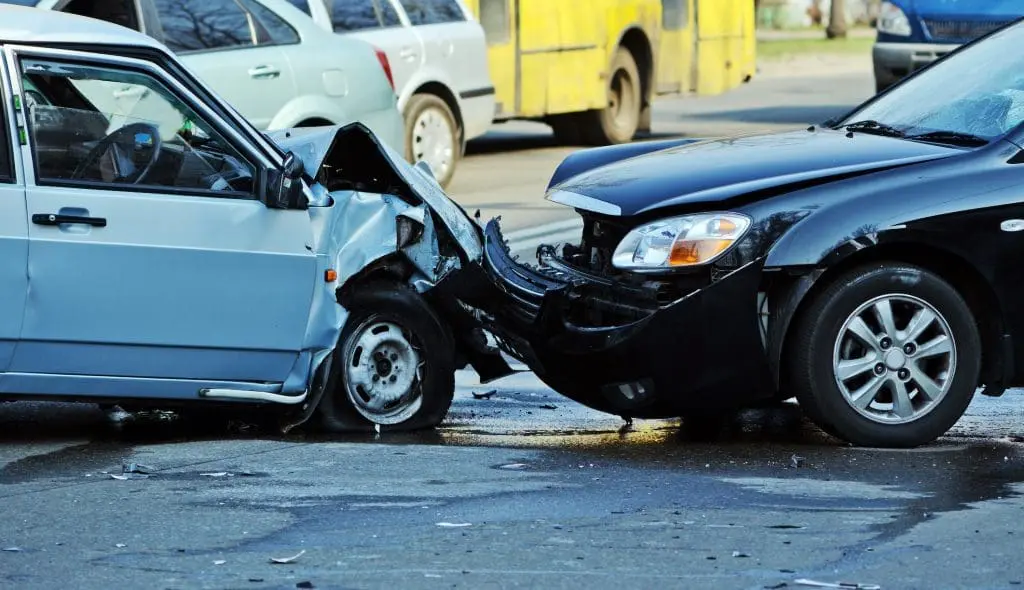
As with any first aid situation it is important to keep things simple and deal with the biggest problems first. Any roadside first aid given at the scene of an incident should be seen as a temporary measure until the emergency services arrive. The Highway Code gives some advice about roadside first aid which is in the Highway Code Annex 7. First aid on the road. This covers information about first aid on the road, including dealing with danger, getting help, helping those involved, and providing emergency care. A quick summary would be to do the following;
1. Assess for Danger
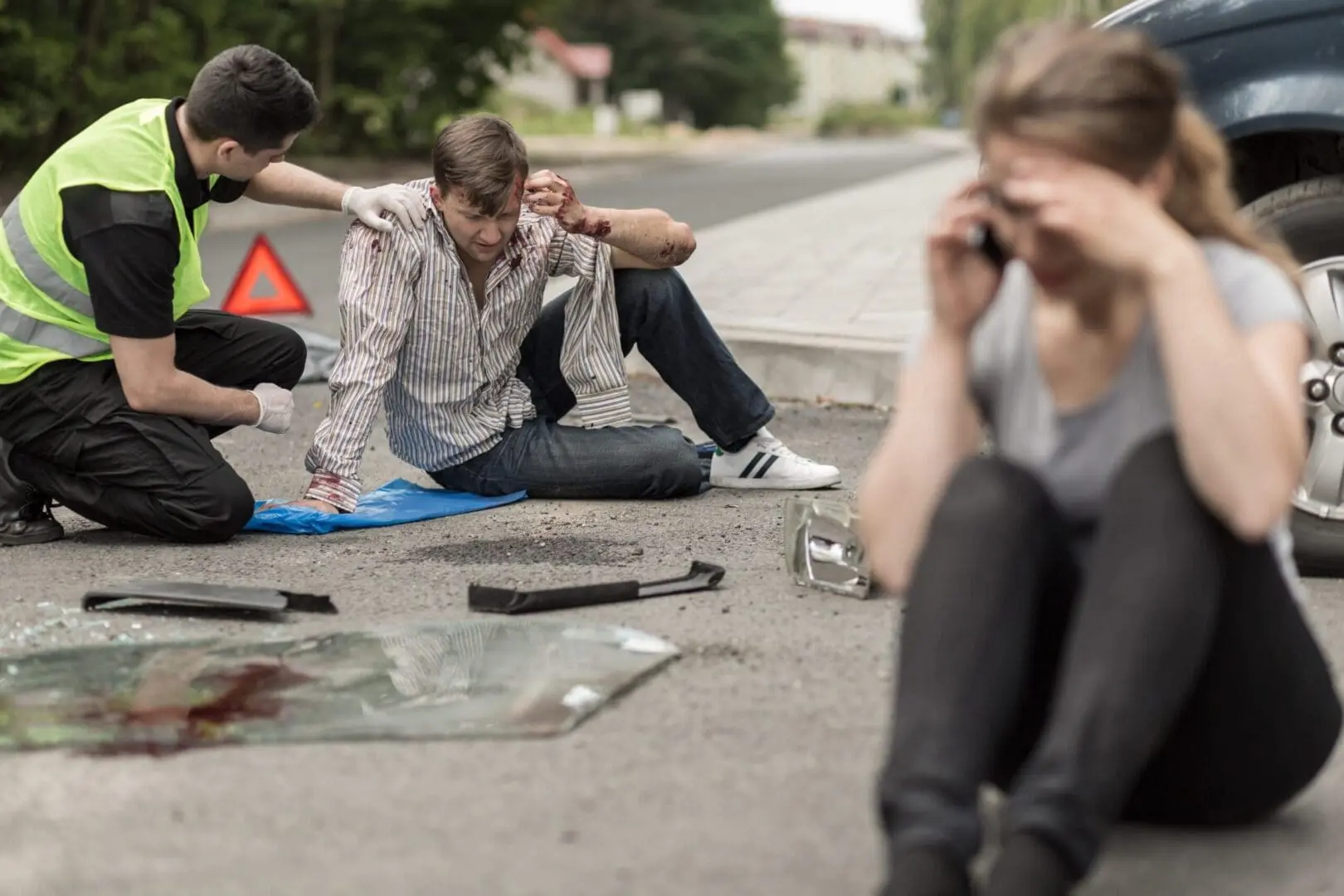
Stop if it’s safe to do so and make sure the scene is safe. If possible, warn other traffic. If you have a vehicle, switch on your hazard warning lights. Wear a hi-viz jacket if you have one.
Further collisions, fuel leaks and fire are the main dangers following a crash. Approach any vehicle involved carefully and watch for spilt oil or broken glass. Switch off all vehicle engines and stop anyone from smoking, and put on the gloves from your first-aid kit.
2. Get help from bystanders
If you can do so safely, try to get the help of bystanders. Get someone to call the appropriate emergency services on 999 or 112 as soon as possible. They’ll need to know the exact location of the incident (including the direction of traffic, for example, northbound) and the number of vehicles involved. Don’t forget, it’s easy to give a location using What3Words if you have the app on your phone. Try to give information about the condition of any casualties: is anyone is having difficulty breathing, bleeding heavily, or trapped in a vehicle. Include the number of casualties, even if they appear well as they may have injuries that are not yet evident.
3. Help those involved
DO give reassurance confidently
DO try to keep casualties warm, dry and comfortable
DO get others to sit with injured casualties to monitor and reassure them.
DO NOT move casualties from their vehicles unless there’s the threat of further danger
DO NOT leave them alone or let them wander into the path of other traffic or to wander off. Some people with head injuries may wander off in confusion.
DO NOT give them anything to eat or drink
4. Provide emergency first aid if required (ABC of first aid)
A – Assess to see if it is safe to approach the casualty.
A – Alertness Check to see if the casualty is awake and responding to questioning. If they are, ask them if they have injuries. If they are not fully alert, ensure someone has called 999.
A – Airway If there’s no response, open the casualty’s airway by placing your fingers under their chin and lifting it forward.
B – Breathing Check that the casualty is breathing normally. Look for chest movements, look and listen for breathing.
Unconscious and breathing? If the casualty is unconscious and breathing, place them in the recovery position if possible until medical help arrives. You may need to lie them on their side across the car seats if possible. Watch our short video of putting someone into the recovery position.
Not breathing? If there are no signs of breathing, start CPR. Watch our YouTube video to watch a demonstration of adult CPR.
C – Circulation If the casualty is responsive and breathing, check for signs of bleeding. Don’t remove anything that’s stuck in the wound. Cover any bleeding wounds and apply pressure to them. Use the cleanest material available.
When the Emergency Services arrive.
They will assess the scene and take over. It is good to have some information ready about your casualty to pass on to them. A good acronym for this is ATMIST. Age – Time of incident – Mechanism of injury – Injuries sustained – Signs & symptoms – Treatment provided. You can read a detailed blog about ATMIST here.
Be prepared – have a first aid kit handy in you own vehicle.
Always carry a first aid kit in your vehicle – you might never need it, but it could save a life. Read more about first aid kits here. Ask other people on site if they have a first aid kit too as you may need more than you think!
Get confident – get trained!
To prepare for the worst why not consider taking a first aid course so you can manage an incident if one occurs. To find out which first aid course is best for you check out our full range of First Aid courses. All of our First Aid Courses include the checking, dressing and monitoring of wounds. You can view the full range for all sectors using the button below.
Everyone on our courses receives a FREE digital first aid manual. We have a range of manuals relevant to the courses we teach – Outdoor, Equestrian, First Aid at Work, Paediatric, Sports and Mental Health. They are a great resource that you can download onto your phone or other device and have all that first aid knowledge at your fingertips. You can view them and buy them for less than £5 here.