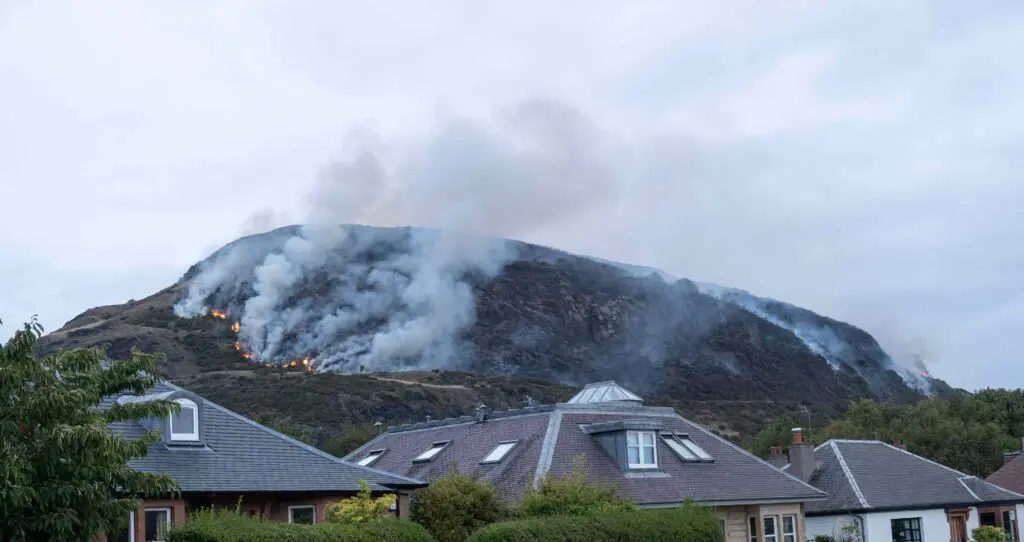
With many wildfires in the UK and Europe recently, knowing the basics of first aid for smoke inhalation is a useful skill for first aiders.
What are the risks of smoke inhalation from wildfires?
Smoke inhalation from wildfires is a much more serious threat to health (and life) than smoking a cigarette or sitting next to a BBQ. Wildfires contain smoke, smolts, soot and airborne chemicals that can have serious impacts on lungs and other vital organs.
The severity of any impact from wildfire smoke depends on proximity to the source of the smoke, the materials that are burning, the temperature you’re exposed to and the duration of your exposure. Symptoms may not appear until many hours or even days after exposure. Medium to longer term symptoms of repeated exposure to smoky environments can lead to cancer and other life-threatening conditions.
What are the dangers of smoke inhalation?
There are three main threats to your health in a wildfire zone – heat, chemical irritation and poisoning from airborne gases. All three can reduce the amount of oxygen in your system. All three occur at the same time in a smoke-filled environment.
Heat from the fire can burn your skin and respiratory tract (mouth, throat and into your lungs).
Chemical irritation causes inflammation in the mouth, nose, throat and lungs can also cause chemical burns.
Poisoning from the gases produced. Carbon monoxide and hydrogen cyanide are produced by wildfires. These will severely reduce the oxygen levels as well as the rate and depth of a casualty’s breathing. Some minute particulates in the smoke can also pass through the lungs and into their bloodstream affecting other organs including their heart, liver, kidneys and brain. Poisoning from gases is the most common cause of fatalities in fires.
Signs and symptoms of smoke inhalation.
Heat injuries are usually obvious with the main ones being singeing of hair on the head, nose and face. Burns will also be evident on the skin and from spot like soot burns or from clothing burning. Some burns from intense heat may also reach down into the lungs. Grey or black saliva may also be evident.
Chemical irritation or burns will present as breathing difficulty and distress with a rough voice, lots of coughing and wheezing. Any change in the voice or difficulty swallowing could be a sign of swelling in the mouth or throat as a result of chemical burns.
Poisoning from the gases in the smoke will present with signs of headache, nausea and dizziness – a sign of carbon monoxide poisoning. Hydrogen cyanide can also be present and gets into the bloodstream which will lead to confusion, unconsciousness or death in very short time.
Remember all of these signs and symptoms will present at the same time in a severe smoke inhalation incident making the multiple signs and symptoms appear very complex and potentially confusing for a first aid responder. However, your assessment of the context or situation should lead you to conclude that the casualty has several signs of smoke inhalation.
First aid for smoke inhalation
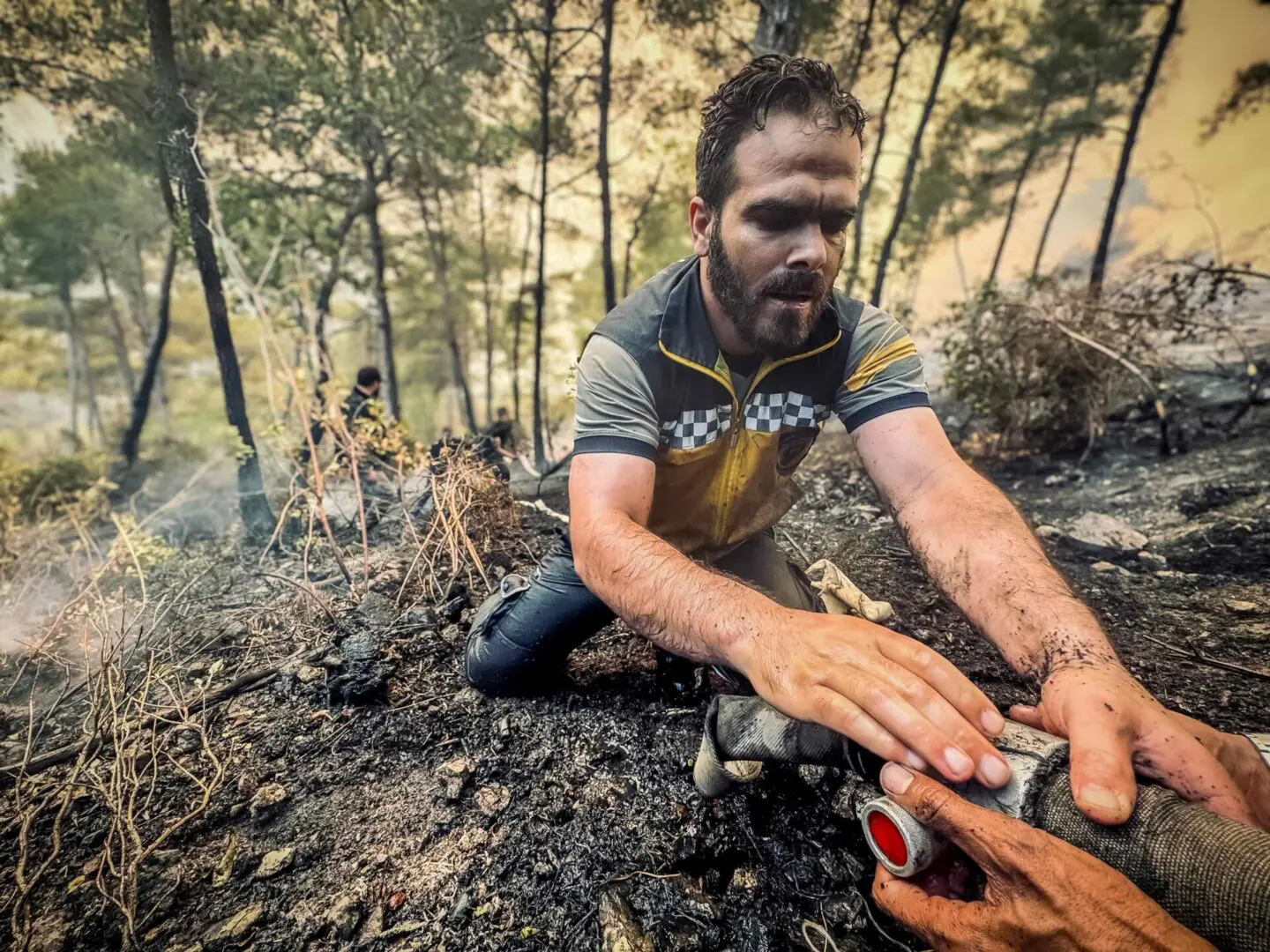
Firstly, do not put yourself in danger. Assess the situation and don’t become a second casualty. If you can’t safely get to help the casualty, call 999 and let the professionals deal with it. Always consider your own safety first. This should include checking your clothing is safe to be in a fire zone, staying aware of a changing situation, your ability to communicate with others, a safe exit route and safe zone if you cannot get out. That’s a lot more than the standard first aid safety assessment protocol!
Check their ABCs – alertness, airway, breathing and circulation.
Are they alert? If they are not fully alert, phone 999/112.
Are they breathing? If they are not breathing effectively, call 999/112 and start CPR.
If they are unconscious, put them in the recovery position and phone 999/112.
If they are conscious, keep them calm and in a comfortable position and deal with any obvious injuries such as burns. Sitting up or lying on their side is best. Reassure and monitor them for any change in their alertness – a sudden change is common in smoke inhalation casualties. Check to see if they have any medical conditions such as asthma, heart or lung conditions. Help them use their medication if appropriate.
Treat burns. Read about first aid for burns in this blog.
Get out of the area. If possible, get them (and you!) safely away from the smoky environment. Fresh air and oxygen are the best treatments until you can get them to a A&E, or Emergency Services gets to you. Once you’ve made a 999 call, Emergency Services would normally prefer you to stay where you are but this case is different as you’re moving for your own safety and that of the casualty.
Do they look ok? Not all casualties will appear to require medical treatment. However, check their signs and symptoms as above on a regular basis as these may present or worsen over time.
Some other points to note:
Where are you? Always know where you are when you’re outdoors. Emergency services won’t get to you if you don’t have an accurate location. Read more in this blog about what information to get across when calling from remote settings.
Long term effects. Regular monitoring and ongoing health advice to the casualty is crucial. Impacts that may appear later include problems with short term memory, mood changes or irritability. These may be from the medical injury in the casualty but also from the traumatic experience they have had.
Mental health support is often required due to the traumatic events involved. Don’t assume they’re ok.
Get cleaned up – change your clothes and have a shower as soon as possible afterwards. Clean any sooty clothes as soon as practicable.
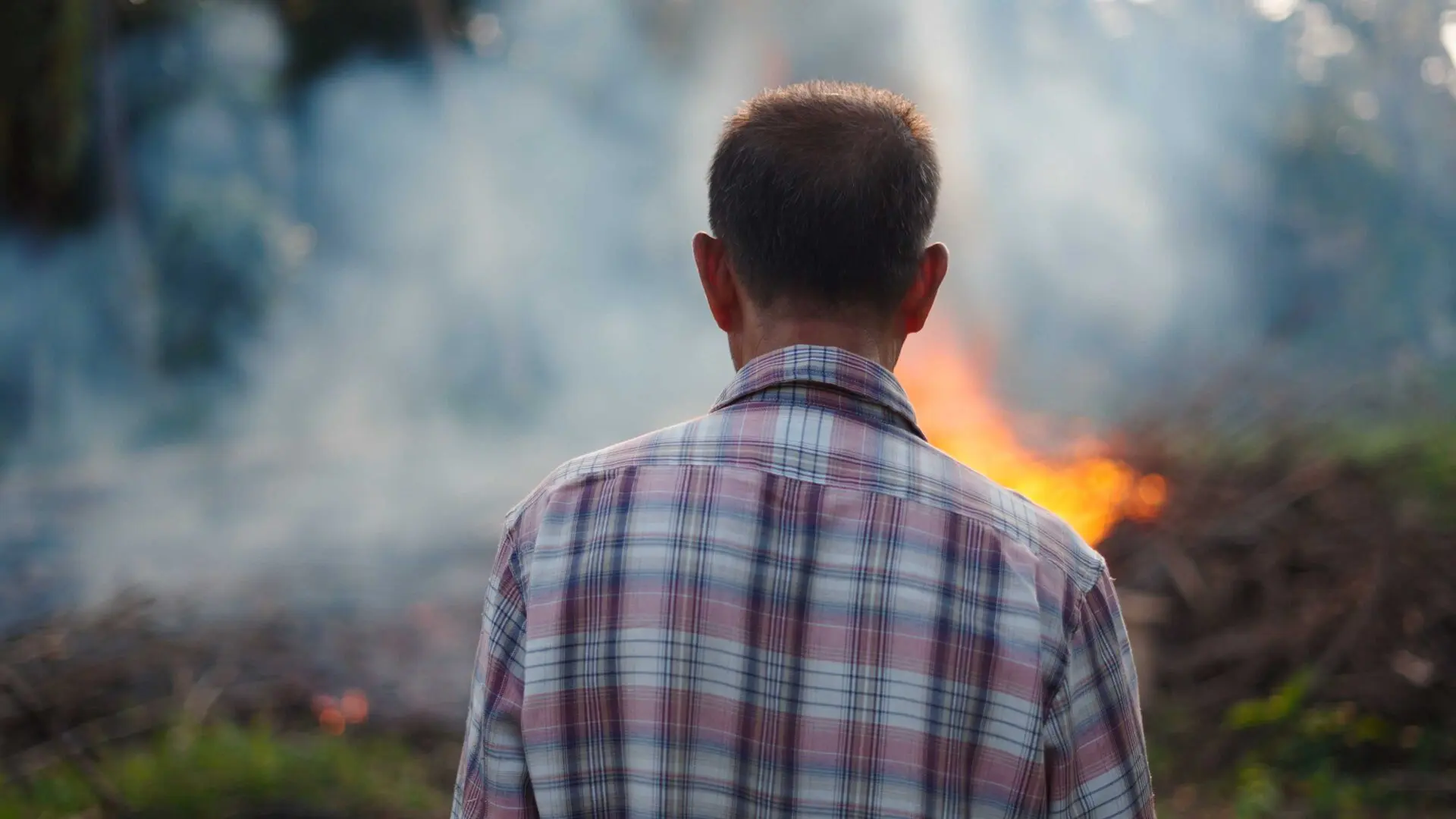
Distance still impacts. Even if you’re not in the immediate area of the fire, the effects of the smoke can still be felt from towns nearby. The Fire Service advice is to close all windows and doors and stay indoors – then monitor news on the wildfire. If you must go outside, wear an appropriate mask over your nose and mouth.
If you live in an area prone to wildfires, always have a good few days supply of food, water and first aid equipment. Have a ‘Grab bag’ of essential items in case you need to be evacuated and have a plan for your pets and other animals too.
Watch the weather as conditions can quickly change the direction of the smoke or fire so don’t assume it’s safe until the authorities say so.
And finally, don’t fight the fire unless you are trained, have the correct equipment and have other experienced people with you.
Stay safe out there!
Get confident – get first aid trained!
Knowing what to do BEFORE it happens is essential and attending a first aid course will give you the knowledge and the confidence to deal with many outdoor related first aid incidents. We are the largest provider of public Outdoor First Aid courses in the UK and our courses comply with the requirements of Sports Governing Bodies so you know they are relevant as well as useful. Find out more about our Outdoor First Aid courses here.
Our digital First Aid Manuals and First Aid Video Channel:
Every client on our courses receives a FREE Digital First Aid Manual relevant to the course they come on. You can also view and buy our manuals in our online shop. In addition, we have our own YouTube channel with over 40 practical first aid videos.