
Last Updated: October, 2026
How to Identify and help someone having a Stroke – Act ‘FAST’
The signs and symptoms of a stroke vary from person to person but usually come on suddenly. As different parts of your brain control different parts of your body, your symptoms will depend on the part of your brain affected and the extent of the damage.
The main stroke symptoms can be remembered with the word FAST: FACE – ARMS – SPEECH – TIME
- Face – their face may have dropped on one side, they may not be able to smile or their mouth or eye may have drooped. Ask them to smile or stick out their tongue. They may struggle to do this or can only stick their tongue out on one side;
- Arms – they may not be able to lift both arms at the same time and keep them there. You could also hold out both your hands ask them to squeeze your fingers – they may not be able to grip with one hand;
- Speech – their speech may be slurred or garbled, or the they may not be able to talk at all despite appearing to be awake;
- Time – it is time to dial 999/112 immediately. Tell the operator or ambulance crew what time they were last known to be ok. This will help determine the appropriate treatment they need to receive.
A stroke is a medical emergency so call 999/112 if you suspect ANY of these signs or symptoms. They don’t need to be presenting with ALL of them , just one can indicate a stroke.
First Aid Someone Having a Stroke:
What to do:
- Call 999/112 immediately and ask for an ambulance;
- Stay with the casualty. Even if the symptoms disappear, they should still got to hospital;
- Take a few notes, so you can remember what happened – particularly the time that the casualty was last known to be OK. Tell this to the emergency services;
- Do not offer the person food or medicine;
- Stay calm and keep a positive outlook. Give them lots of reassurance;
- Loosen any restrictive clothing that could cause breathing difficulties;
- If weakness is obvious in any limb, support it but avoid pulling on it when moving the person;
- If the person is conscious, sit or lay them down with their head slightly raised and supported;
- If they become unconscious place the casualty in the recovery position;
- If they are not breathing start CPR straightaway.
Other possible Stroke symptoms:
Symptoms in the FAST test identify most strokes, but occasionally a stroke can cause different symptoms. Other symptoms and signs may include:
- Complete paralysis of one side of the body;
- Sudden loss or blurring of vision;
- Dizziness;
- Confusion;
- Difficulty understanding what others are saying;
- Problems with balance and co-ordination;
- Difficulty swallowing;
- A sudden and very severe headache resulting in a blinding pain unlike anything experienced before;
- Loss of consciousness.
If you live with or care for somebody in a high-risk group, such as someone who is elderly or has diabetes, heart disease or high blood pressure, being aware of the symptoms is even more important.
Strokes are usually associated with older people, but can also affect younger adults and even children. This article from The BBC tells the story of a young woman who suffered a stroke while alone at home.
About ‘TIAs’- transient ischaemic attacks or ‘mini-strokes’:
The symptoms of a TIA are the same as a stroke, but they tend to only last between a few minutes and a few hours before symptoms disappear completely. (that’s why it’s called ‘transient’). Symptoms that disappear quickly (and in less than 24 hours) may mean you have had a transient ischaemic attack (TIA) but you should never ignore a TIA as it is a serious warning sign there is a problem with the blood supply to your brain and means you are at an increased risk of having a full stroke in the near future.
If you have had a TIA, you should contact your GP, local hospital or out-of-hours service as soon as possible.
What is a stroke and how are they treated?
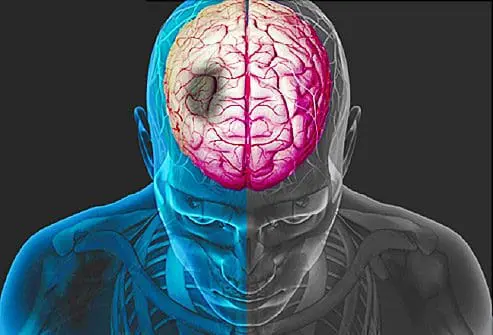
A stroke is a blockage or bleed in the vessels of the brain. Watch this short NHS video about one person’s recovery after a stroke. Treatment for strokes has advanced greatly in the past decade with a much higher percentage of patients returning to normal lives after medical intervention and rehabilitation through physiotherapy and speech therapy. It is still a life threatening and life changing condition though and sadly still leads to death in some cases.
Further information
If you’d like to know more about Stroke and recovery from it, you might also be interested in this presentation that took place at our First Aid Conference 2019 in which Alan Flynn from the Stroke Association describes his personal experience of suffering a stroke. Alan goes into detail about what happened when he had his stroke and the treatment he received.
Get confident – get trained!
To get trained by the best, why not consider taking a first aid course with us? To find out which first aid course is best for you check out our full range of First Aid and Mental Health First Aid courses. You can view the full range for all sectors using the link below.
Browse our First aid Courses here
First aid advice at your finger tips – with our downloadable first aid manuals:
We have produced a series of digital first aid manuals which you can download and store on your phone, tablet or other device – or print off for reference. Storing it on your phone means first aid advice is at your fingertips and it only takes up the same space as 2 photographs.
Everyone on our courses receives a FREE digital first aid manual. We have a range of manuals – Outdoor, Equestrian, First Aid at Work, Paediatric, Sports and Mental Health. You can view them and buy them for less than £5 here.