Under Martyn’s Law (Terrorism (Protection of Premises) Act 2025), venues across the UK are now required to be better prepared for terrorist attacks, including mass casualty events involving stabbing, gunfire or bombing. A critical part of that preparedness is having Public Access Trauma Kits (PAcT) on site – and making sure staff are trained to use them.
What Is a PAcT Kit?
A PAcT Kit (Public Access Trauma Kit) is a specialist first aid kit designed to treat catastrophic injuries that occur during major incidents, such as:
- Stabbings
- Gunshot wounds
- Explosions or bomb blasts
- Vehicle rammings
- Terrorist attacks
These kits are designed for public use – meaning anyone with basic training (or even minimal instruction) can use them to help save lives while waiting for emergency services to arrive.
Think of it as the trauma equivalent of a defibrillator (AED): fast, accessible, and potentially life-saving in the crucial minutes after an attack.
What Should Be in a PAcT Kit?

According to ProtectUK and other emergency preparedness sources, a well-stocked PAcT Kit should include the following items:
Bleeding Control Supplies
- A Bomb in a street creates massive air compression which causes multiple internal and external bleeding injuries, impalements and head injuries.
Wound Management
- Chest seals: for penetrating injuries to the torso
- Burn dressings
- Adhesive tape and scissors
- Trauma shears: to cut away clothing quickly and effectively
Airway and Shock Care
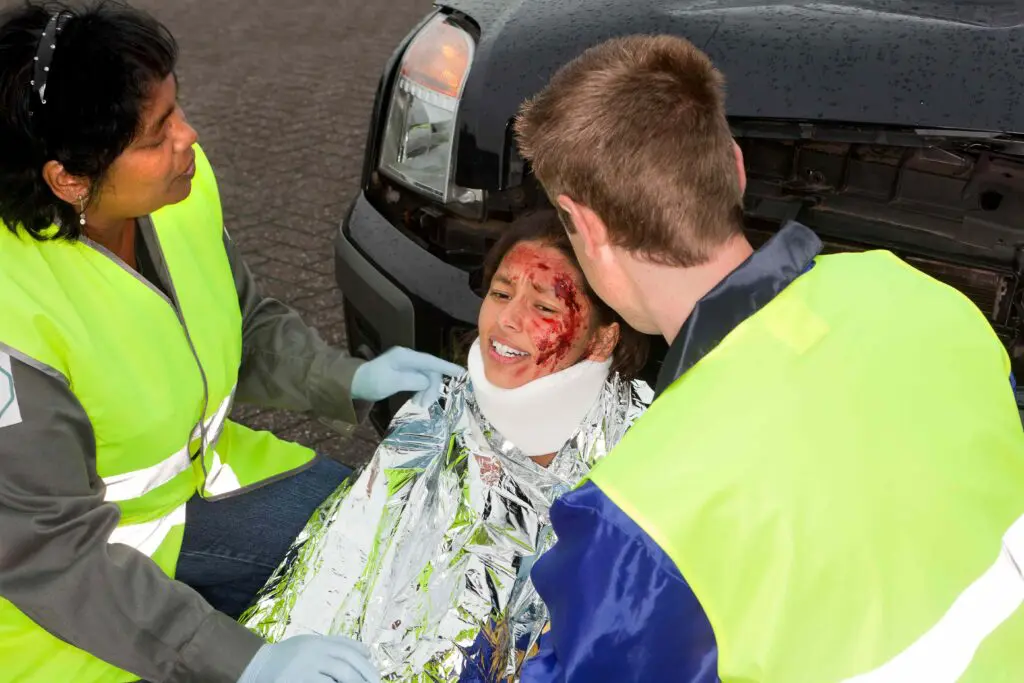
- Foil blankets: to prevent hypothermia
- Gloves: non-latex, multiple pairs and sizes
- Face shields for CPR
Instructions
- A clearly written instruction card or diagram
- QR code for video guidance (some kits include this)
- A venue map
Many venues opt for tamper-proof trauma kits in clearly marked bags or boxes. There are also wall-mounted cabinet options, like AEDs, which can be located in public spaces, often next to AEDs.
Where Should PAcT Kits Be Stored?
Location is everything. A trauma kit won’t save a life if no one can find it in an emergency.
We recommend:
- Mounting at key access points, much like defibrillators;
- Keeping one in each zone of a large venue;
- Storing additional kits in staffed areas like reception, security control and/or first aid rooms;
- Label clearly, include in your venue map, and add signage;
- Consider mobile kits for stewards, event managers and outdoor staff.
Just like a fire extinguisher or AED, a trauma kit should be:
- Visible
- Quick to reach
- Easy to open
- Immediately recognisable
Who Should Be Trained to Use PAcT Kits?
The great thing about trauma kits is that they are designed for broad usability—you don’t have to be a paramedic. But to make the most of them, you do need specialist training such as our Major Incident Management Course, specifically drawn up to comply with and support your organisation with Martyn’s Law.
The following staff should be trained:
- Security personnel
- Stewards and marshals
- Event managers and duty managers
- Reception staff and venue hosts
- Retail managers in shopping centres
- Nightclub or pub door staff
At larger venues, it’s also wise to train volunteers, contractors, and catering staff.
How We Train People to Use PAcT Kits
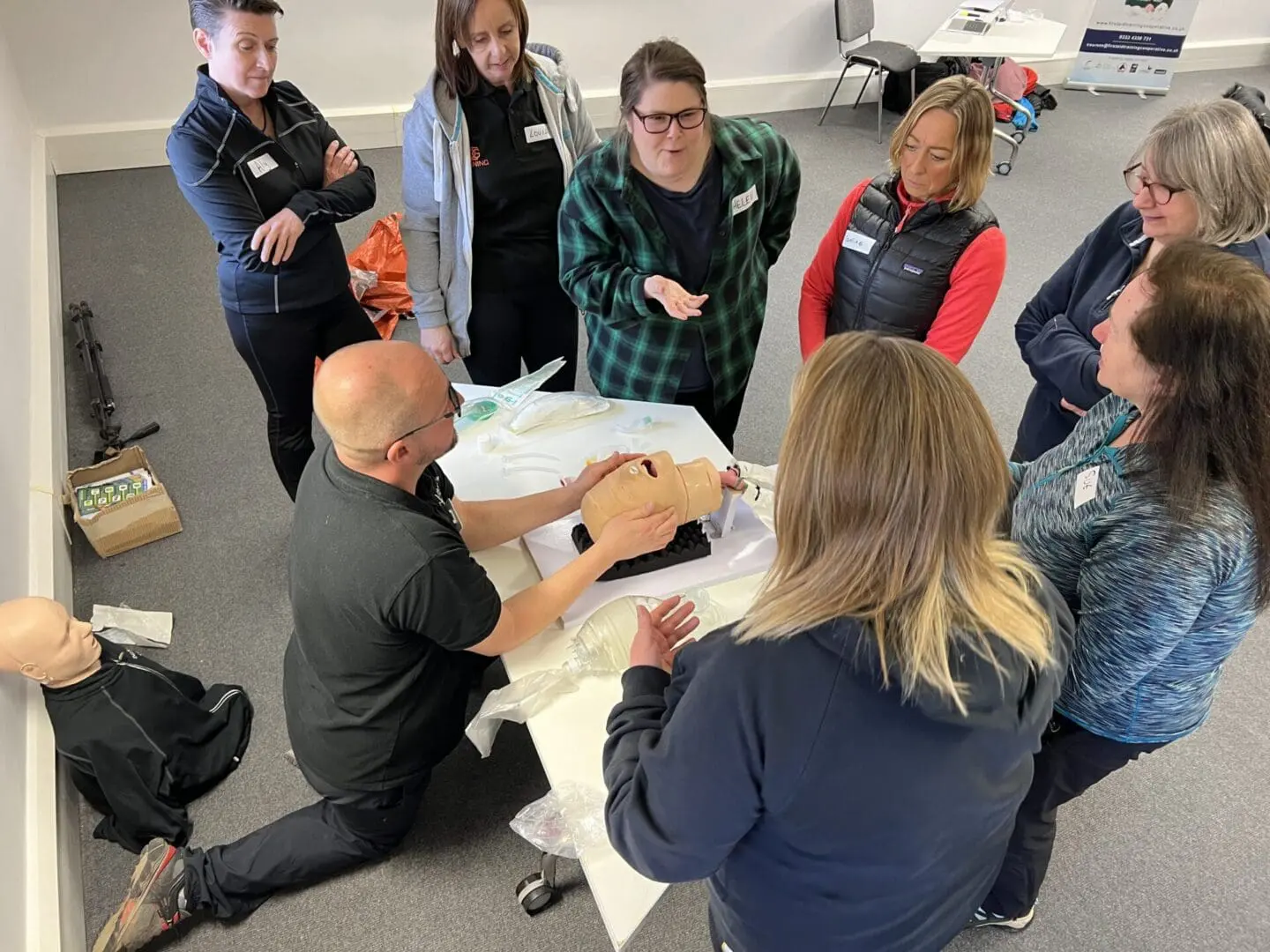
At the First Aid Training Co-operative, our Major Incident Management (MIM) course includes:
- How to stop massive bleeding with tourniquets and pressure dressings
- How to apply chest seals and manage sucking chest wounds
- How to treat burns, blast injuries, and crush injuries
- Realistic scenario training with multiple casualties
- Where to store your trauma kits—and how to include them in drills
This is not your standard First Aid at Work course. It’s practical, fast-paced, hands-on, and scenario-led. Because that’s what real-life major incidents demand.
What Martyn’s Law Says About Trauma Readiness
Martyn’s Law requires all venues with a capacity over 200 people to:
- Identify risks through a Terrorism Risk Assessment. Read more on how to do this here.
- Train staff in emergency response
- Know how and when to implement an Evacuation or Lockdown of the premises. Read more on evacuation and lockdown plans here.
If you’re in the Enhanced Tier (800+ people), you must also:
- Develop a formal security plan
- Appoint a senior responsible person
- Conduct regular drills and exercises
Without PAcT kits, your venue cannot realistically respond to mass trauma.
PAcT kits and related training will become a benchmark of compliance under Martyn’s Law inspections.
What Happens If You’re Not Prepared?
If a major incident happens at your venue and staff aren’t equipped to deal with trauma:
- People could die unnecessarily
- Your venue could face media outrage
- You could be investigated and fined for non-compliance
- The long-term PR damage could be devastating
The truth is: PAcT kits are a small investment that could have a huge impact when it matters most.
Prepare Now, Save Lives Later
PAcT kits are not optional under Martyn’s Law—they are essential. They turn bystanders into lifesavers and make the difference in the minutes that matter most.
5 things you can do to start now:
- Review your venue’s layout and identify ideal PAcT trauma kit locations
- Purchase or restock your PAcT kits
- Book a Major Incident Management course to train your team
- Download ProtectUK’s Action Cards to support your emergency planning
- Start the conversation with your staff about Martyn’s Law and your requirements
Want to train your team in trauma care and Martyn’s Law compliance? Visit the First Aid Training Cooperative website to book your Major Incident Management course today.
Want to enhance your staff wellbeing programme too? We also offer Mental Health First Aid courses to support teams dealing with the after-effects of trauma or crisis. We also have a FREE Mental Health First Aid for Employers online course to get you started.
Knowing what to do BEFORE it happens is essential and attending a first aid course will give you the knowledge and the confidence to deal with many first aid incidents. Find out more about our full range of other First Aid courses here.
Our digital First Aid Manuals and First Aid Video Channel:
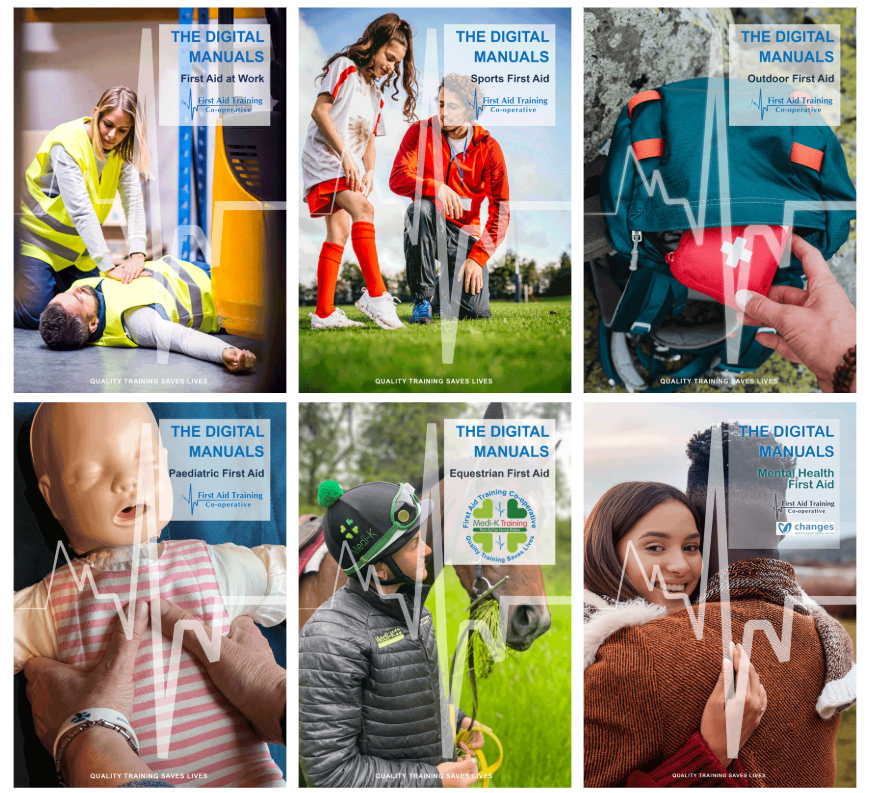
Every client on our courses receives a FREE Digital First Aid Manual relevant to the course they come on. You can also view and buy our manuals in our online shop. In addition, we have our own YouTube channel with over 40 practical first aid videos.