If your venue has a capacity of 200 people or more, you now have a legal obligation to complete a terrorism risk assessment under Martyn’s Law (Terrorism (Protection of Premises) Act 2025). Whether you’re a community centre, concert venue, shopping centre or place of worship, you must identify the potential threats your venue could face and have a plan in place to reduce the risk of harm.
In this blog, we’ll explain:
- What a terrorism risk assessment is
- Why it’s legally required under Martyn’s Law
- Step-by-step guidance on how to write one
- Examples of threats to include
- How training supports your compliance
- Where to find additional resources
What Is a Terrorism Risk Assessment?
A terrorism risk assessment is a structured process that helps venue operators understand:
- What types of terrorist threats could affect them
- Where their vulnerabilities are
- How likely those threats are to occur
- What they can do to mitigate the risks
It’s a critical part of making your venue safer and a legal requirement under Martyn’s Law for all venues in both the Standard Tier (200–799 people) and Enhanced Tier (800+ people).
What Martyn’s Law Requires
- Standard Tier venues must conduct a basic terrorism risk assessment and train staff in appropriate responses.
- Enhanced Tier venues must develop a more detailed assessment, integrate it into a formal security plan and designate a senior responsible person.
This is not optional. It’s a core part of showing that your venue is committed to protecting the public. For more information check out our blog on Martyn’s Law and it implementation.
How to Write a Terrorism Risk Assessment – Step-by-Step
Let’s break this down into a clear, practical process. You don’t need to be a security expert—you just need to know your building, your people, and your potential risks.
1. Define the scope
- Which areas of your venue are accessible to the public?
- What types of events or activities do you host?
- Who uses your venue (staff, visitors, contractors)?
2. Identify potential threats
Use official guidance from ProtectUK and recent events to help list threats that could be relevant to your location and layout. These might include:
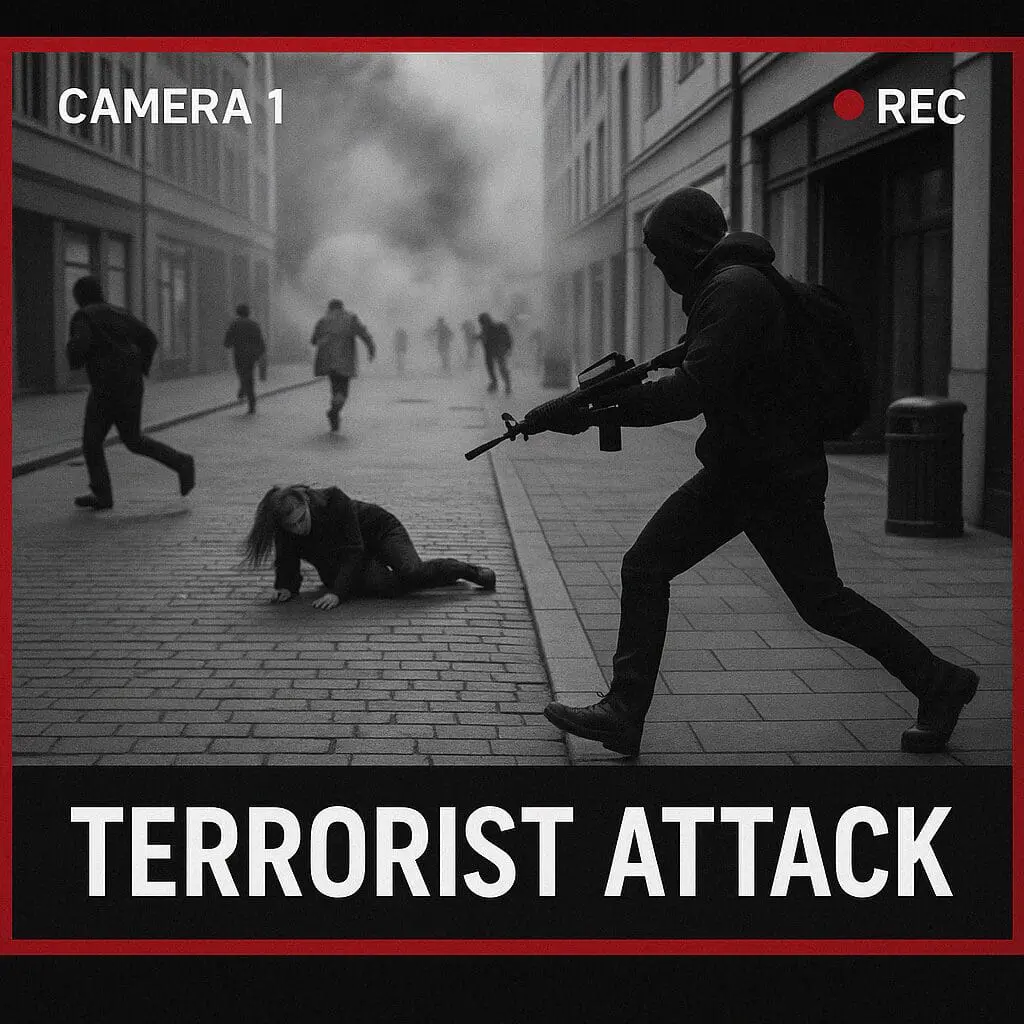
- Knife or gun attacks
- Bomb threats or unattended bags
- Vehicle ramming attacks
- Acid or chemical attacks
- Insider threats (disgruntled employees, lone actors)
3. Assess vulnerabilities
Walk through your venue and ask:
- Where could someone gain unauthorised access?
- Where do crowds gather (entrances, queues, exits)?
- Do we have CCTV, barriers, or locked doors in place?
- Do staff know how to respond?
Look at your current procedures and whether they’d stand up under pressure.
4. Rate the likelihood and impact
Use a basic risk matrix:
- Likelihood (Low / Medium / High)
- Impact (Minor / Serious / Catastrophic)
5. Record your findings
Your document should include:
- Date of assessment
- Who carried it out
- Description of your venue
- Table of identified risks
- Existing safety measures
- Recommendations for improvement
Store this safely and review it at least annually, or after major changes to layout, usage, or local threat levels.
6. Take action
A risk assessment only works if you act on the findings. That could include:
- Installing barriers at vulnerable points
- Updating signage and emergency exits
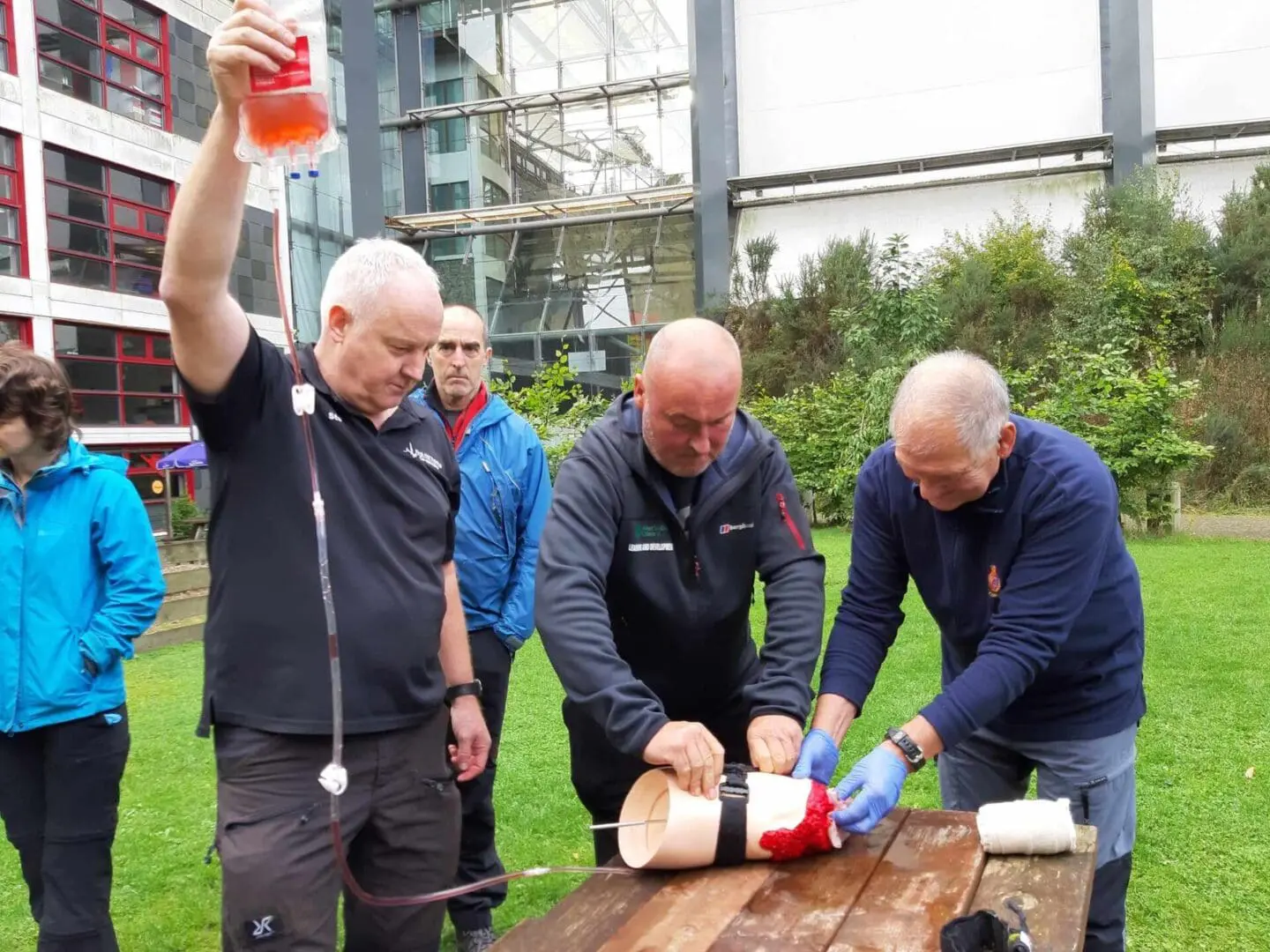
- Training staff in trauma first aid and emergency responses
- Adding or relocating PAcT (Public Access Trauma) Kits
- Practising evacuations or lockdowns
Templates
Looking for help getting started? First Aid Training Co-operative has produced a free generic risk assessment template.
Final Thoughts – Be Prepared, Not Just Compliant
Writing a terrorism risk assessment isn’t just about ticking a legal box—it’s about protecting real lives. Every venue is different, but every venue now has the same responsibilityto prepare. Our Major Incident Management (MIM) course trains your team in exactly these skills—using hands-on, real-life scenarios.