
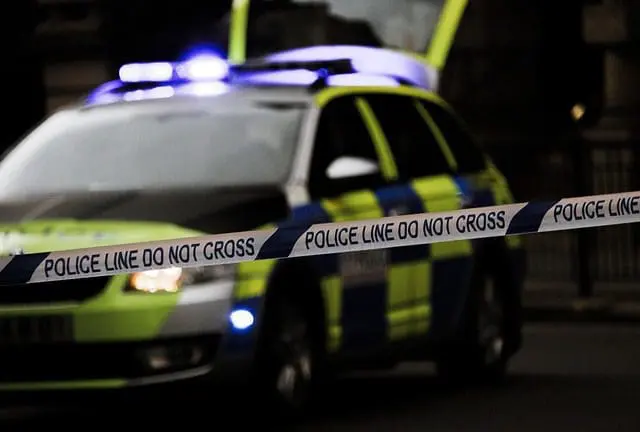
A major incident occurs when the location, number, severity or type of live casualties involved requires extraordinary resources. Unfortunately, these days we hear of events such as natural disasters, bombing, mass shootings, stabbings and rouge car attacks with increasing frequency.
The declaration of a major incident results in the implementation of a multi-service structured response based on the key principles of: command and control, safety and communications.
The emergency services regularly practice for these types of incidents. The professional healthcare at a major incident involves a hierarchy of triage, treatment and transportation. Aside from the fast moving nature of major incidents, some of the biggest challenges for the emergency services are communication and triage.
METHANE – and acronym to help get important details across:
The Emergency services widely use the METHANE acronym to build a report for alerting others about a major incident.
METHANE stands for:
- Major Incident Declared
- Exact location
- Type of incident
- Hazards
- Access
- Number and type of casualties
- Emergency services present and required
METHANE is now the recognised model for passing incident information between services and their control rooms. All services have used similar models for passing information in the past, but METHANE has instigated the use of a common model that means information is shared in a consistent way, quickly and easily between emergency service providers.
When you call the emergency services after a major incident METHANE helps you remember the type of information you need to be thinking about passing on quickly. The control centre will ask you details of the incident you are reporting and having METHANE in your head helps you to prepare the information in advance and get it across effectively.
Major Incident Courses with us
Here at the First Aid Training Co-operative, our Major Incident management course has been developed in partnership with the Clinical Training Manager of the Scottish Ambulance Services’ Special Operations Response Team (SORT). This course is designed to be delivered to civilians within large or high profile organisations that are likely to find themselves in the midst of a critical incident. The outcomes of the Manchester Arena Enquiry and Martyn’s Law requirements have been included.
Click here to view more about our Major Incident Management Training course.
Get confident – get trained!
Knowing what to do BEFORE something major happens is essential and attending a Major Incident Management course will give you the knowledge and the confidence to deal with many first aid incidents. Our courses are structured to give you confidence in dealing with an incident as well as the competence to do good quality first aid. Find out more about our whole range of First Aid courses here.
Everyone on our courses receives a FREE digital first aid manual. We have a range of manuals relevant to the courses we teach – Outdoor, First Aid at Work, Paediatric, Equestrian and Sports. They are a great resource that you can download onto your phone or other device and have all that first aid knowledge at your fingertips. You can view them and buy them for less than £5 here.