Updated Sept 2026
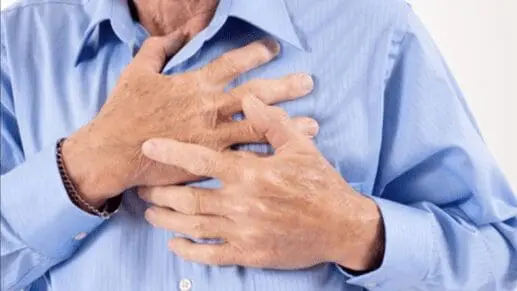
A heart attack is a serious medical emergency in which the supply of blood to the heart is suddenly blocked. Recognising heart attacks and knowing about other chest pains is an essential skill for first aiders.
A blockage in the heart often comes on suddenly and with no prior warning. When any muscle in the body is suddenly starved of oxygen-rich blood, it can cause considerable pain. The heart muscle is no different.
A heart attack is different from cardiac arrest, where the heart stops working properly. In a heart attack, the casualty is usually still conscious but a heart attack can lead to cardiac arrest. Other chest and heart illnesses are covered below.
What are the symptoms of a heart attack?
The casualty may show some or all of the following:
- Tight pain in the chest or chest feeling heavy
- Pain moving down the jaw, neck, back and shoulders and to one or both arms
- Shortness of breath
- Feeling weak or extreme fatigue
- Feeling lightheaded, dizzy or fainting
- Overwhelming feeling of anxiety or ‘sense of impending doom’
- Nausea and vomiting
It is the combination of symptoms that is important in determining whether a person is having a heart attack, and not the severity of chest pain. Some people do not realise they are having a heart attack as the pain is not what they associate with a heart attack.
What should you do if someone is having a heart attack?
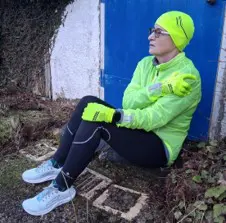
- Sit the casualty down on the floor leaning back against the wall and raise their knees. (This is called the Lazy-W position and lessens the strain on the heart)
- Phone 999/112 immediately
- Give them aspirin. If they are not allergic to aspirin and consent to take it, get them to chew it slowly in their mouth then put it under their tongue. Give them one adult sized aspirin which is a 300mg tablet or capsule.
- Reassure them while you’re waiting for the ambulance to arrive.
- Be prepared to resuscitate with CPR if their heart or breathing stops and they collapse.
- Have a defibrillator handy. As a precaution and because some heart attacks can lead to cardiac arrest, get someone to get a defibrillator (also called an AED) if there’s one nearby. Don’t cause unnecessary stress in the casualty by alerting them to this! The defibrillator will only be needed if they stop breathing. Keep it nearby but out of their sight.
Where do blood clots come from?
Clotting is a normal and a lifesaving action where your blood’s platelets are activated to prevent a leakage when you get injured. However, with age, underlying medical conditions, bad diet or other lifestyle choices, some plaque builds up on the arteries and other blood vessels. Parts may break off and float into the vessels of the heart causing a full or partial blockage which also activates platelets to form clots. This is one of the main causes of heart attacks as well as strokes.
How does aspirin help someone having a heart attack?
Aspirin helps ‘thin’ the blood and therefore helps some blood get by any clots inside the blood vessels. It actually stops the platelets in the blood from sticking together to form more clots. It is one of the only medicines that we should carry in our first aid kits, particularly if our risk assessment or group type identifies heart attack as a likely issue. As you are giving it to a conscious casualty, you must always ask three questions:
- Are they are allergic to Aspirin? (Some people are very allergic)
- Have they taken Aspirin previously?
- Do they want to take it?
Only then can we assist them in taking a single dose, to be chewed rather than swallowed to reach the bloodstream more quickly. If the casualty is already on ‘blood thinners’ such as warfarin or similar medications, aspirin can still be given, even though it is much weaker in strength than blood thinning medications. However, it would also be advisable to ask the casualty if they have actually taken their medication recently and mention this to the emergency services.
Why do heart attack symptoms vary in people?
Symptoms of a heart attack may vary with sex, age, fitness and medical history of the casualty. People who have had previous heart attacks may have different symptoms each time. There has been some recent research alerting us to differences in the symptoms felt by women and men who have had a heart attack. This research is ongoing. The symptoms outlined above are varied and include the symptoms recorded by both sexes.
What are the other heart related illnesses?
The heart is a complex organ surrounded by other muscles, organs and skeletal structures that may also cause chest pain if they are injured or malfunctioning.
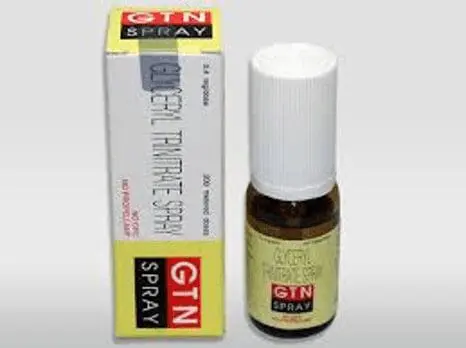
- Angina is often found in older people and is caused by a narrowing of the vessels of the heart. It is usually triggered by exertion, anxiety or larger than normal meals. Symptoms are similar to those of a heart attack. A person with diagnosed angina should have their medication with them, known as a GTN spray or tablet. This is sprayed or placed under the tongue. Help them take their medication and put them in the Lazy W position outlined above. If their medication does not help, suspect a heart attack and call 999/112.
- Cardiac arrest is where the heart has stopped beating or is not beating effectively. This can be as a result of a heart attack and is a critical illness. Resuscitation (CPR) is required immediately as well as the use of a defibrillator. If someone’s heart or breathing has stopped, phone 999 or 112 immediately and start CPR. Learn more about Cardiac Arrest and watch our video on how to do CPR and use a defibrillator.
- Irregular heartbeats or arrhythmias. This is a series of irregular rhythms of the heart and can affect all age groups. Symptoms of arrhythmias include palpitations, feeling dizzy, a ‘racing’ heartbeat for a short period of time, fainting and being short of breath, although having these symptoms does not always mean you have a heart rhythm problem. Common triggers for an arrhythmia are viral illnesses, alcohol, tobacco, changes in posture, exercise, drinks containing caffeine, certain over-the-counter and prescribed medicines, and illegal recreational drugs. Some arrhythmias are life threatening if not diagnosed and can be the cause sudden cardiac death, heart attacks or strokes. Some heart arrhythmias are with you at birth an may not become apparent until adulthood. Many people with arrhythmias lead normal lives after diagnosis, some with the assistance of medication or pacemakers.
- Spontaneous Coronary Artery Dissection (SCAD). This is caused by a tear in the inner lining of an artery to the heart. This leads to blood filling in behind the tear that creates severe narrowing or a complete obstruction. This lack of blood flow causes the heart attack. Women under the age of 50 should be aware of SCAD as it is responsible for 35 percent of heart attacks in women of this age group, and more than 90 percent of SCAD patients are female. It is thought that some hormonal changes in this age group might weaken the lining of the arteries involved. One of our students saved her own life through self-administering aspirin when she suffered from SCAD. Read her story here.
What are some other causes of pains in the chest area?
- Indigestion and acid reflux. Many people mistake a heart attack for indigestion. Symptoms are a burning feeling in the chest caused by stomach acid travelling up towards the throat.
- Pleurisy is an inflammation of the tissue between the lungs and ribcage. Most common symptom is a sharp pain in the chest when you breathe in.
- Pulmonary embolism is where there is a blocked blood vessel in your lungs. This can be life-threatening if not treated quickly. Symptoms are pain in the chest or upper back, difficulty breathing and/or coughing up blood.
- Shingles is an infection that causes a painful rash on the chest or tummy. Early signs are pain in the infected area and generally feeling unwell. It is followed by a rash a few days later.
- Muscular pain as a result of strained muscles in the chest from exercise or awkward movements.
- Skeletal injuries, broken or cracked ribs from falls or impacts
- Breathing difficulties such as asthma, angina, allergic reactions or anxiety and stress
Always check the casualty’s recent history for any suspected injury or other underlying illness.
Looking after your heart

You’re more likely to suffer heart problems as you get older or if you’re at risk of heart disease due to family history. The heart is a complex and hard working organ and needs to be looked after. Regular exercise and a good diet greatly reduces the risk of heart problems – and these are easy solutions, no matter what your family history of heart disease or your current health condition. Both exercise and diet are essential for guarding yuo against all illnesses!
What increases the risk of heart problems?
Your risks of heart related illnesses, no matter what age, are increased by:
- Smoking
- Being very overweight or obese
- Have high blood pressure, diabetes or high cholesterol
- Have a history of heart problems in your family
As with all health risks, reducing these factors and ensuring you have a healthy lifestyle greatly reduces your risk of wearing out or damaging that vital life-giving organ that is your heart.
Read more about your risk factors and how they can be controlled or modified in this British Heart Foundation link here.
Get confident – get trained!
To prepare for the worst why not consider taking a first aid course so you can manage an incident if one occurs. To find out which first aid course is best for you check out our full range of First Aid courses.
All of our First Aid Courses include the checking, dressing and monitoring of wounds. You can view the full range for all sectors using the button below.
Browse all first aid courses now
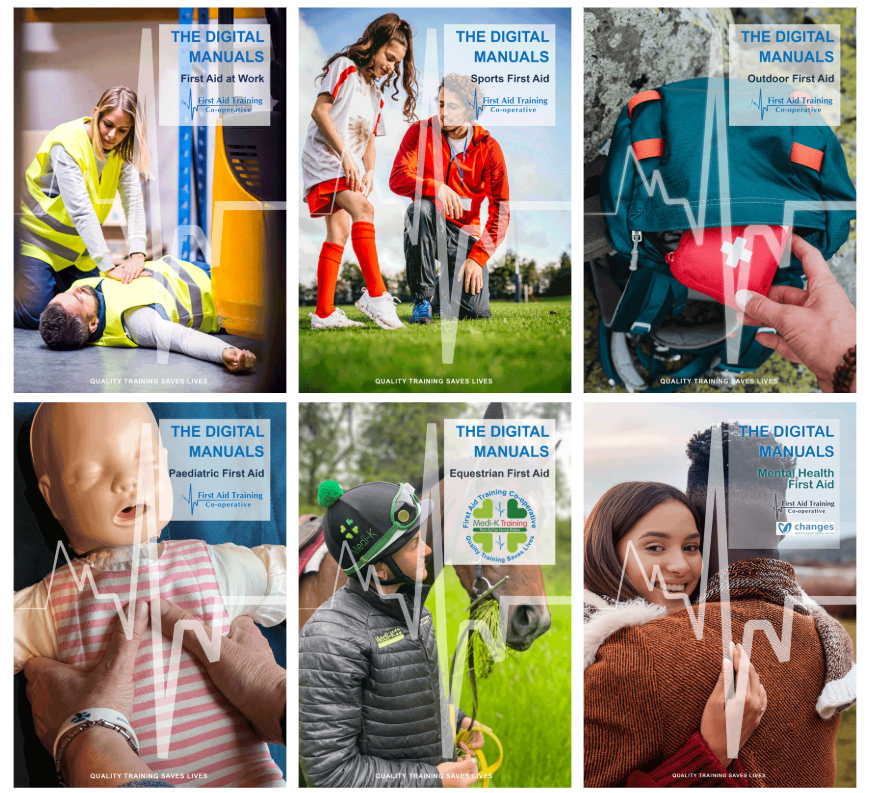
Everyone on our courses receives a FREE digital first aid manual. We have a range of manuals relevant to the courses we teach – Outdoor, Equestrian, First Aid at Work, Paediatric, Sports and Mental Health. They are a great resource that you can download onto your phone or other device and have all that first aid knowledge at your fingertips. You can view them and buy them for less than £5 here.