

Camping Trip First Aid Basics
Updated August 2026
We all love the great outdoors.
Imagine the situation: You’ve arrived at a beautiful, picturesque lake and have just set up camp. You sit to enjoy the view and listen to the tranquil bird song. It is during these idyllic moments that a minor lapse in concentration can strike. A simple trip or fall and an allergic reaction could trigger panic and ruin a perfect day.
The key is to always be prepared. In this short guide, we won’t be sharing Bear Grylls style survival tips and, of course, we can’t teach complete outdoor first aid in a single blog post. However, we can share the basics you need to ensure you can treat minor injuries when enjoying the outdoors.
Be prepared for hot days in the sun
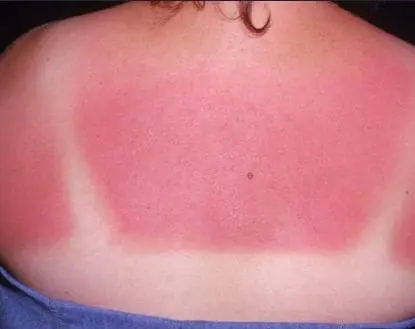
- Always bring plenty of water with you. Dehydration can be dangerous and lead to heat stroke. Symptoms of this include dizziness, a rapid pulse or vomiting. This is a medical emergency and you’ll need to call 999 for an ambulance.
- Prevention is the best approach. Apply sun lotion and wear appropriate clothing for the conditions.
- Children’s reactions to heat and cold vary much more than ours and the impact of sunburn is much more serious in a young child or baby.
- Should you get burnt, cool with running water if possible, or a cool wet compress if nothing else is available.
- Don’t burst any blistering skin or peel off any loose skin as these can lead to infection. Don’t apply ice packs to sunburnt areas.
- If you have any continuing symptoms such as headaches, high temperature, muscle cramps or you feel dizzy or nauseas, seek medical help.
There is more detailed information on first aid for sunburn in this blog. Learn more about hot weather illnesses here.
Fire Safety

On a cooler evening, you might wish to light a campfire. Chose the right location, safe equipment and keep everyone at a safe distance, including pets.
First aid if you get burnt from a fire:
- Remove clothing or other items near the affected area. Don’t peel off clothing attached to the burn site.
- If clothing is stuck to the burn, cut around the clothing but do not remove the stuck material from the burn area as this will just peel off your skin and create a large open wound. You can still cool the burn through the piece of clothing. (Anyone with clothing attached to a burn needs to go to hospital)
- Cool the burn with cool or lukewarm running water for 20 minutes, as soon as you can after the injury. Do not use ice water, or any cream. If no running water is available, sluice water over the burn using a cup and bucket or similar, reusing the water until the burn is cooled.
- Cover the burn with a layer of cling film, (Do not wrap around the limb – just use a small sheet to cover the burnt area) and then cover with cool wet dressings and seek medical help. You may choose to have burn gels in your first aid kit which help cool the area and prevent infection and are easy to carry in your kit. Read more on burn gels here.
- It’s important to remember – any burns to the eyes, face or genitals should go to hospital immediately.
- If you get smoke in your eyes, tilt your head and irrigate the eye with cool water so the water falls off your face, not into your ear!
- If you inhale smoke and have any trouble swallowing or have breathing difficulties, seek medical advice. Read more on first aid for smoke inhalation here.
For cooking, camp stoves are safer and better for the environment as they leave no trace. If you want an open fire, there are small mesh fire pits available now that give you a campfire feel and heat but leave minimal trace on the campsite. In some areas, open fires are prohibited. This is due to the vulnerable habitats or during hot dry spells. Always check for national guidance or local by-laws that prohibit open fires, especially during heatwaves.
For more detailed advice on treating burns, visit this blog.
First aid for cuts in the outdoors

There are many ways you can be cut when outside and the dirty environment can cause more infections if you don’t take care of the wound. To treat this remember the C.A.R.E acronym:
- C – Clean the wound as best you can using your first aid kit. When possible, use clean bottled water. Water from lakes, ponds and rivers can contain germs that lead to infection. Check for embedded foreign objects – wash out dirt or gravel with your water bottle. Do not remove impaled objects but protect these from infection and go to hospital.
- A – Apply direct pressure to the wound to stop the bleeding. Use a dressing suitable for the size of the cut. Applying dressing firmly helps apply enough pressure to stop the bleeding as well a prevent infection.
- R – Raise the injured limb above the level of the heart to help stop the bleeding. Use a sling or improvise one to hold an arm or hand above the heart whilst going to hospital. Raise a leg onto a bag or log to help reduce the bleeding.
- E – Ensure 3 things: that your bandage isn’t too tight, isn’t too loose, and is effective at stopping the bleeding.
First aid for insect bites

In the UK, our insect life is less vicious than in other countries. Still, preparation is essential.
- Don’t be afraid to generously apply insect repellent spray or cream.
- Block entry to your tent with a mosquito net, or a bug-zapping light.
- If you’re using sun block as well as insect spray, apply the sun block first then the insect spray on top.
- You can also apply the insect spray to your clothing – cuffs, collars, hats ankle etc to deter the beasts.
- If you do get bitten or stung, apply a ice pack or cold water to reduce the itching.
Bees – If a bee stings you, don’t squeeze out the stinger, as this releases more venom into your system. Instead, scrape it out with a hard edge, like a credit card. Some people have more severe reactions to bee stings so be aware and keep any eye on them. Call 999/112 if they have an anaphylactic reaction. Other reactions may be in the form of a large swelling or blistering sore. Don’t break the blister but apply cooling water and seek medical help if it doesn’t improve.
Ticks – are more concerning these days as they may carry Lyme Disease or Tick-borne encephalistis. They are found throughout the countryside and in urban areas. It is important to be aware of the risk and know how to remove them from your body. You should remove the whole tick including the head, which will be embedded in your skin, using a tick removal tool which are now available in most chemists, local shops, vets and outdoor suppliers. More information can be found in our blog on Ticks and Lyme disease here.
Other biting insects – such as cleggs / horseflies, midgies or mosquitoes cause hot irritating reactions in our skin but are rarely serious in first aid terms. A good repellent spray for yourself or a candle for your campsite should help prevent them getting to you. If you do get bitten or stung, keep the area cool with water or an ice pack. As with bees, watch out for more severe reactions.
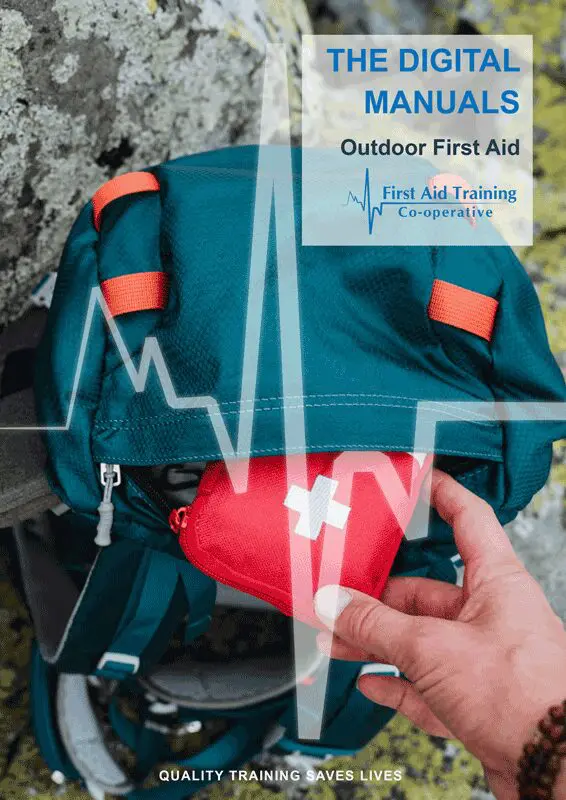
Be safe – be prepared – with a suitable first aid kit!
A first aid kit that is suitable for the activities you are doing and the numbers in your group is crucial an din some cases, a legal requirement. Take into account the first aid outlined above – if any of those injuries happened, do you have the right contents in your kit? Also, it’s a good a idea to have a waterproof first aid kit in the outdoors! Read more about first aid kit contents including a list of Outdoor First Aid kit suggestions here.
A first aid manual in your pocket? Having first aid advice at your fingertips is easy these days but you may not have a signal to get it. Why not download one of our digital first aid manuals full of useful and practical advice on a range of first aid incidents. The Outdoor First Aid Manual might be of most interest for a camping trip and it costs less than £5! It has been compiled specifically for outdoor settings by our trainers who are also mountain/expedition leaders, watersports instructors and paramedics. You can buy a copy of our Outdoor First Aid Manual from our shop
Over to you!
The advantages of a healthy outdoor lifestyle far far outweigh the risks and a healthy body is better prepared to fight off infection and any reaction to stings and bites. Enjoy your camping trip and make sure your well prepared in case of any illness or injury, respect the countryside you’re visiting and leave no trace of your visit. Plan for the worst, hope for the best – and enjoy your camping trip!
Get confident – get first aid trained!
Knowing what to do BEFORE it happens is essential and attending a first aid course will give you the knowledge and the confidence to deal with many outdoor related first aid incidents. We are the largest provider of public Outdoor First Aid courses in the UK and our courses comply with the requirements of Sports Governing Bodies so you know they are relevant as well as useful. Find out more about our Outdoor First Aid courses here.
Our suite of digital First Aid Manuals and our First Aid Video Channel:
Every client on our courses receives a FREE Digital First Aid Manual relevant to the course they come on. You can also view and buy our manuals in our online shop. In addition, we have our own YouTube channel with over 40 short practical first aid videos.