
During spells of hot weather, our bodies need to maintain our constant 37°C temperature. It does this by sweating. Sometimes we overheat due to getting dehydrated, exhausted and this can lead to life threatening illnesses. Being aware of how our bodies react and spotting the early symptoms will help. In this blog, we’ll look at dehydration, heat exhaustion and heat stroke.
What is dehydration?

Dehydration is the lack of sufficient fluids in our system. Water makes up about 50-70% of our body weight. Dehydration can happen as a result of exercising, alcohol intake, not replenishing lost fluids, illness, vomiting and diarrhoea, medications such as diuretics or as a complication of diabetes. We only need to be dehydrated by 1% before it starts to affect our mood, attention, memory and motor coordination.
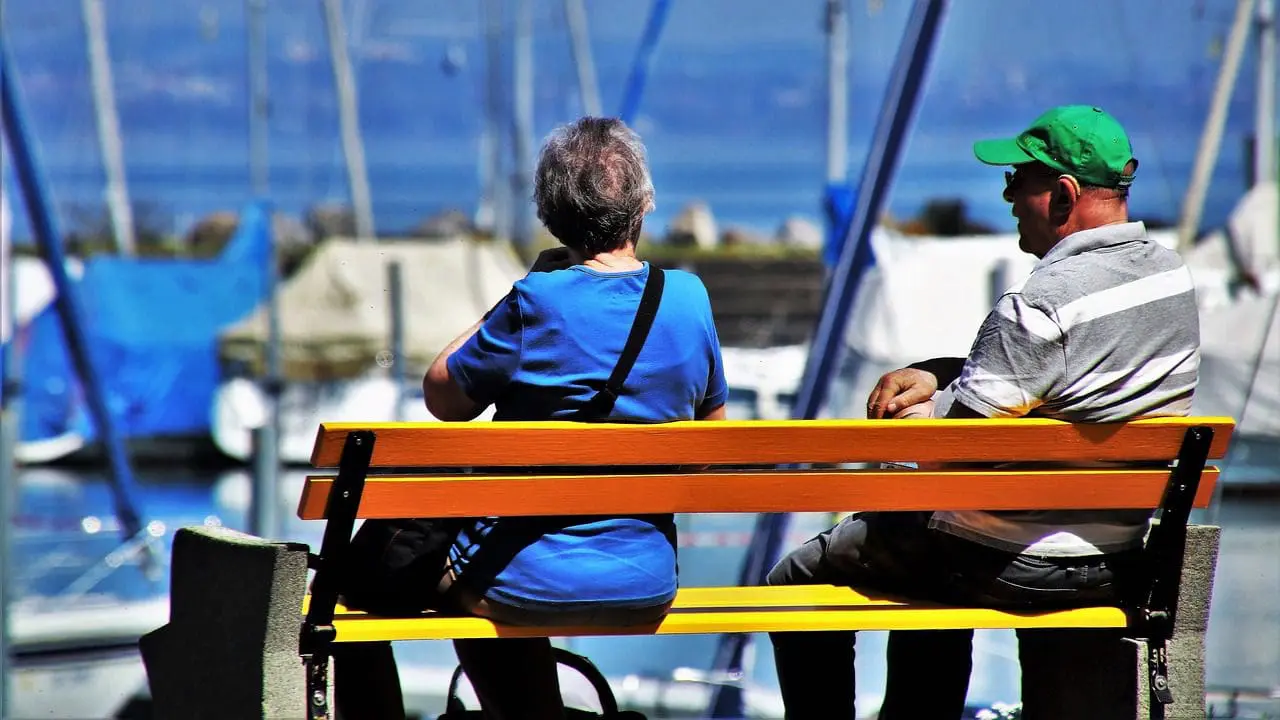
Babies, children and the elderly are at more risk of serious illnesses due to dehydration.
Children may not realise that they are thirsty and need a drink, especially if they are having fun! So keep an eye on them, and encourage them to drink by having a drink together.
A child’s face tells you a lot – if they look hot, sweaty and flushed, they probably need a drink. Regular sips are much better than gulping a big drink all at once, and teach them to check the colour of their pee so they can look after themselves.
What is the treatment for dehydration?
Drink fluids! Drinking fluids regularly as part of your daily routine is the best way to prevent – and treat – dehydration. Checking your pee colour when you go to the toilet is a great way to consistently monitor your hydration levels.
What is Heat Exhaustion?
Heat exhaustion occurs when the temperature inside the body (the core temperature) rises to up to 40°C (104°F). This usually occurs due to exertion and losing fluids through sweating – and then not replacing those fluids.
What are the signs of heat exhaustion?
You may feel sick and develop headaches, sweat excessively and feel faint. The body is losing water and salts and becoming dehydrated. Your sweaty skin may even taste salty.
What is the treatment for Heat Exhaustion?
The treatment is to move swiftly to a cool place, out of direct sunlight, and to drink plenty of cool fluids. Electrolyte drinks are good as they replace the salts as well as the water – but water on its own is good. Recovery should happen quickly, usually within 30 minutes. If untreated, heat exhaustion can progress to heat stroke which can be serious and life threatening.
- Move them to a cool place.
- Get them to lie down and raise their feet slightly.
- Get them to drink plenty of water. Sports or rehydration drinks are good.
- Cool their skin – spray or sponge them with cool water and fan them. Cold packs around the armpits or neck are good too.
- Stay with them until they are better. Monitor their vital signs. Phone 999/112 if they do not recover.
What is Heat Stroke?
Heat stroke is a life threatening condition where your body is unable to reduce a high core temperature.
What are the signs of heat stroke?
The casualty will be:
- Confused and rapidly losing consciousness
- Feel extremely hot and dry to the touch – you can feel the heat radiating from them
- Breathing will be fast and shallow (panting)
- They may vomit
- Their temperature will be over 40 deg Celsius
What is the treatment for heat stroke?
In this case the patient needs what is called ‘aggressive’ cooling to lower their core body temperature. This may involve wrapping them in wet towels or blankets, and continually dousing them in cold water. An ambulance must be called immediately as their life is in danger due to the cells of their body breaking down and the subsequent loss of function of their internal organs.
How can you avoid getting ill during hot weather?
There’s a high risk of dehydration, heat exhaustion or heatstroke during hot weather or exercise.
To help prevent heat exhaustion or heatstroke:
- drink plenty of cold drinks, especially when exercising
- take cool baths or showers
- wear light-coloured, loose clothing
- sprinkle water over skin or clothes
- avoid the sun between 11am and 3pm
- avoid excess alcohol
- avoid extreme exercise
- Keep an eye on children, the elderly and people with long-term health conditions (like diabetes or heart problems) because they’re more at risk of heat exhaustion or heat stroke.
Get confident – get trained!
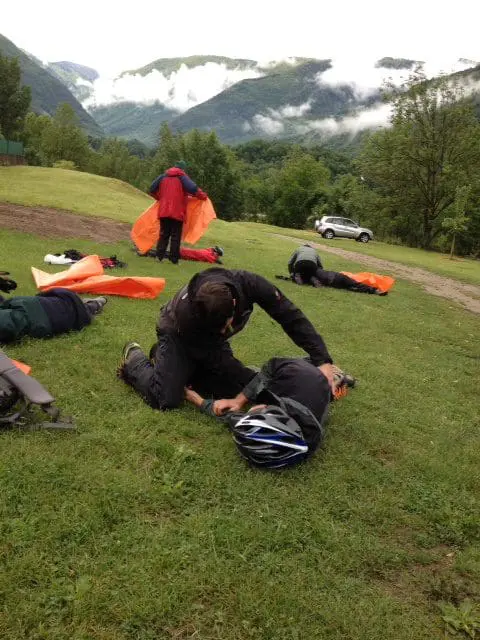
We cover Lyme Disease and other environmental hazards on our range of first aid courses. Our systematic approach to teaching first aid helps your learning and understanding of many illnesses and injuries. Practicing first aid techniques reinforces your learning too. Find our more about our full range of First Aid Courses here.
Every client on our courses receives a FREE Digital First Aid Manual relevant to the course they come on. You can also view and buy our manuals in our online shop. In addition, we have our own YouTube channel with over 40 practical first aid videos.