
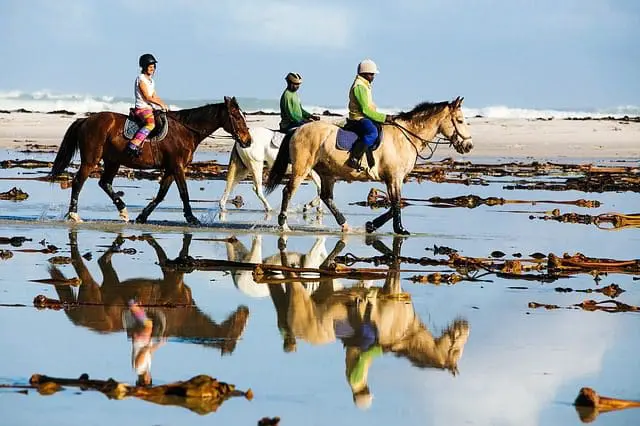
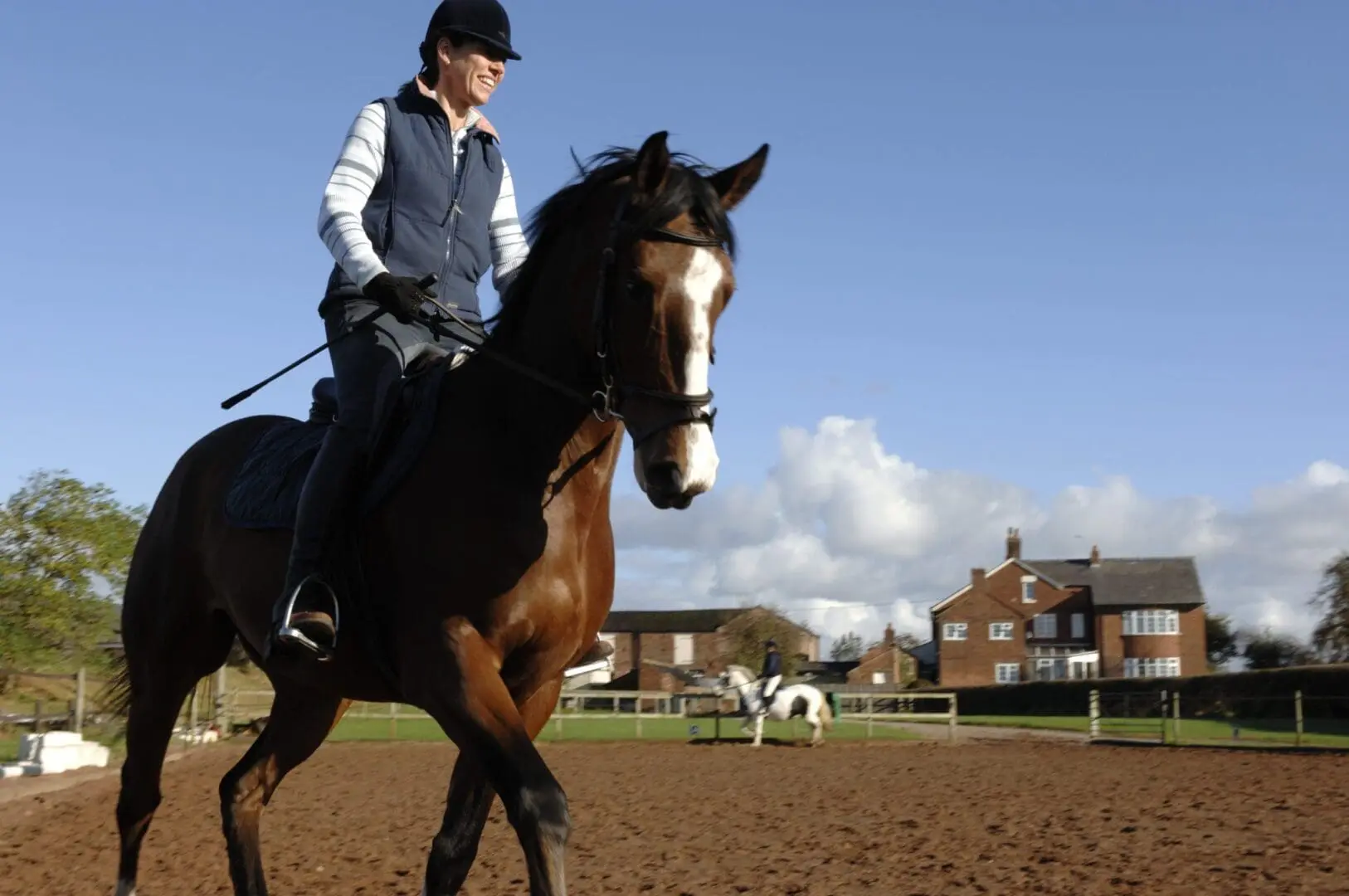
For the hot and sunny days we enjoy with our horses, there are important things we need to know about first aid in the sun.
In the few summer months we get to enjoy in the UK we learn to deal with extremes, however on those few scorching hot days do you know the risks? Sunburn, dehydration and heat exhaustion are just a few things to consider, which must be treated quickly and correctly
How often do you stop and think of the consequences of exposure to the heat? Would you know what to do if the elements took hold and got the better of you? Your duty of care as an establishment applies to clients as well as your employees. Children are particularly vulnerable to the effects of heat, dehydration and dropping sugar levels as a result.
Eight first aid tips whilst riding in the sun:
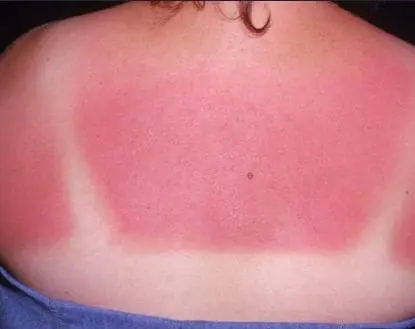
1. SUNBURN – DON’T IGNORE THE RISKS. Although common and easily caused, sunburn can be exceptionally painful. Damage caused by the UV rays in the sun burns and causes the skin to become painful, red, sore and hot. In severe cases the skin can blister or swell and the casualty may also experience chills, a fever, dizziness, sickness and other signs of heat exhaustion. We all joke about the lack of sunny days but they all add up. Whilst sunburn may be short lived or mild, it’s important to avoid it as it can lead to an increase in your chances of contracting skin cancer later in life.
2. Sunburn treatment and prevention – Sunburn is hard to spot while the damage is being caused as it can take hours for the skin to turn red but the skin will feel warm to touch. If you do get sun burnt you need to take action to cool the skin and limit damage. Get out of the sun, cool the affected skin by taking a cold shower/bath; take pain killers such as ibuprofen or paracetamol to relieve the pain; drink plenty of water to help keep you cool and to prevent dehydration. Severe cases of sunburn may also need medical attention – these symptoms include the onset of fever, a very high temperature, blistering or swelling, dizziness, nausea or persistent headaches. Read our detailed blog on sunburn here.
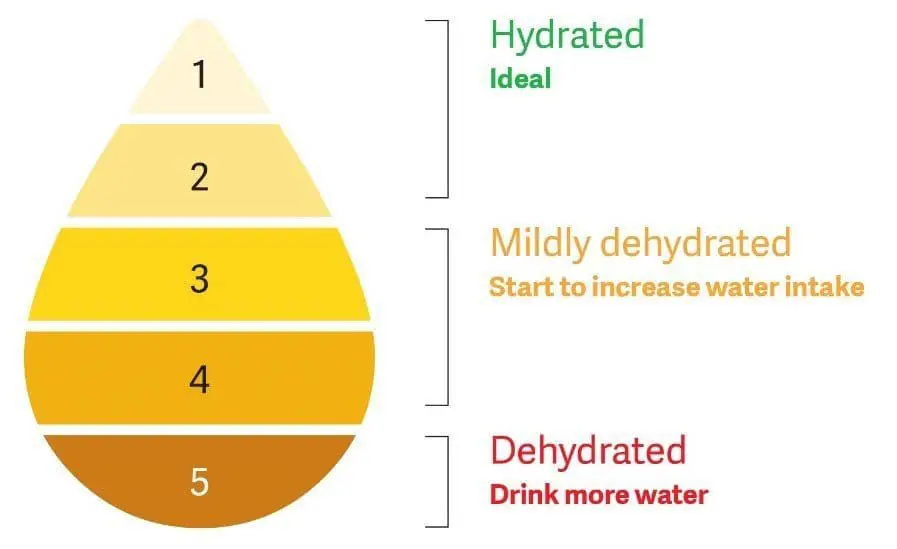
3. DEHYDRATION– Dehydration is a common problem especially in hot and humid weather and occurs when your body loses more fluid than you take in. Although not severe in itself, dehydration can make you lightheaded, dizzy and tired. This may have a knock on effect on your ability to function properly and slow your reflexes which are vital when around horses. The best way to avoid dehydration is to ensure you regularly drink water throughout the day in hot weather and when exercising. Jobs like mucking out a stable is classed as moderate physical exercise so always have a bottle of water nearby during the summer months. It is good practice to have drinking water available throughout the yard and arenas where it is easy for everyone to access – then they’ll use it more often. On easy check to see if you’re dehydrated is to look at the colour of your pee.
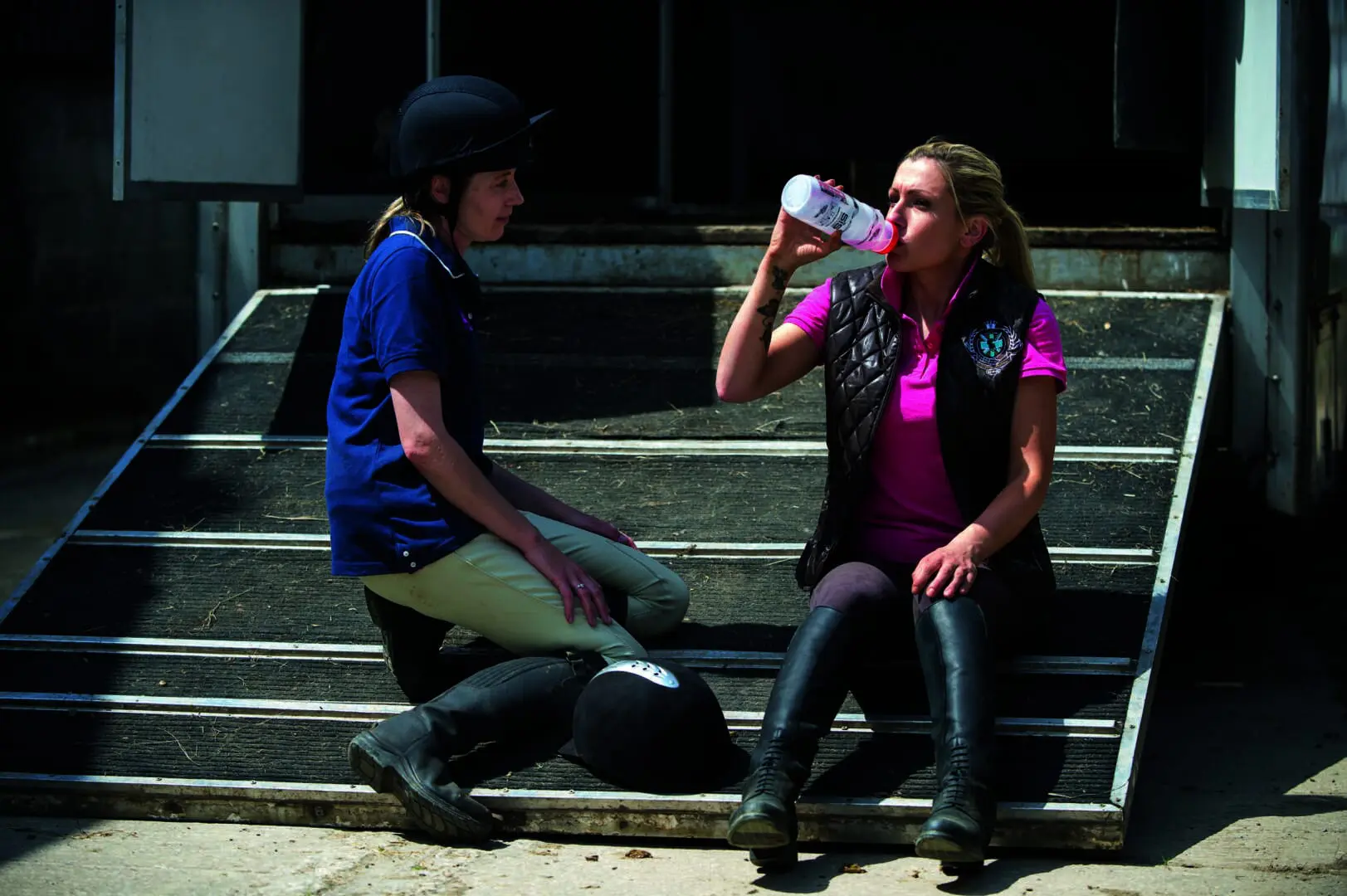
4. Rehydration – If you are suffering from dehydration it is vital to try to rehydrate yourself quickly by drinking fluids such as water, diluted squash or fruit juice. Try to avoid tea, coffee and fizzy drinks as these are less effective and although contain sugar they are harder to drink in large amounts. A rehydration solution available from pharmacies are another great option as they replace the vital minerals, which become unbalanced when dehydrated. Sports drinks with electrolytes in them are good if you’ve been working very hard and sweating a lot but water should always be your first choice.
5. HEAT EXHAUSTION – Heat exhaustion is a potentially serious condition that equestrians are vulnerable to as it normally occurs during heat waves, hotter than normal weather and during physical exercise. With heat exhaustion the body is no longer able to cope with the heat and must be treated with urgent medical attention. They will have sweated out a lot of fluid as well as salts. Their skin will be very wet and may even taste salty in places.
6. Treating heat exhaustion – The signs are similar to dehydration however additional symptoms may include intense thirst, muscle cramps, sickness, a fast pulse and low blood pressure. Get the sufferer to lie down in a cool place, make them drink water. Raise their feet if their feeling ill and dampen their skin with a cool, wet towel. If they are still unwell after 30 minutes in a cool place and have been drinking water, phone 999/112 immediately.
7. HEAT STROKE – This is more serious than heat exhaustion and occurs as the casualty continues to exercise in hot weather and essentially the body runs out of fluids to maintain basic functions such as sweating. As a result their skin will be dry and hot. At this point the casualty will be near collapse if they have not collapsed already. They may also have a fit or seizure, have a very high temperature, a shortness of breath or are breathing very rapidly.
8. Treating heat stroke – Quick first aid here is vital. Wet their skin with copious amounts of water and remove any unnecessary clothing. Fan them to keep them cool. Call the emergency services on 999/112. If they lose consciousness, put them in the Recovery Position to ensure their airway stays open.
The Health & Safety Executive (HSE) have produced a useful guide about Sun Protection for employers of outdoor workers. You can view it here.
Regardless of the season or the temperature equestrians are vulnerable and as such we should all be prepared with correct first aid. Being aware of the signs and symptoms of someone with dehydration, heat exhaustion or heat stroke is the first step to helping them prevent it!
Stay compliant – keep incidents recorded using our Equestrian specific Incident Book.
We have a specific Incident Book for horse riding establishments developed exclusively by First Aid Training Co-operative.
- Includes 50 incident report sheets, and a re-purchasing reminder slip
- Only UK riding establishment specific incident report book
- Data protection compliant
- Clear instructions on use, and easy to complete incident report sheets
- Guidance included for record keeping – tear out incident report sheets are pre-drilled for storing in lever arch type folders
- Printed using renewable energy, using soy oil based inks on responsibly sourced paper

Get Confident – get trained!
We offer a wide range of first aid courses designed especially for equestrians, yard owners and grooms of all levels which will ensure you are prepared for all weather related situations. To find out which first aid course is best for you check out our specific equestrian first aid webpage.