Keep children safe

Keep Children Safe. Our campaign to make sure all childcare and nursery learning providers have members of staff on duty with a Paediatric First Aid qualification, when children are present. This is linked to our ‘38 Degrees‘ petition.

Working with the Care Inspectorate and the Scottish Government, the First Aid Training Co-operative has been trying to encourage providers to make sure they have appropriately trained staff on duty when children are at nursery.

Young girl climbing tree

Tree climbing injuries – a first aid guide for children and early years practitioners

Tree climbing as an activity is seeing a bit of a resurgence at the moment in education and outdoor learning and we are seeing more practitioners including it in their sessions. Forest School activities wouldn’t be the same without a good tree to climb! The reason for tree climbing’s popularity is that it’s an activity

Tree climbing injuries – a first aid guide for children and early years practitioners Read More »
Lack of Paediatric First Aid training by Childcare Providers

Lack of Paediatric First Aid training by Childcare Providers Lack of Paediatric First Aid training by Childcare Providers  – our ongoing campaign. 33% of all nurseries and childcare providers in Scotland have no first aid trained staff to deal with child first aid incidents. * Of the nurseries and childcare providers who do have staff

Lack of Paediatric First Aid training by Childcare Providers Read More »

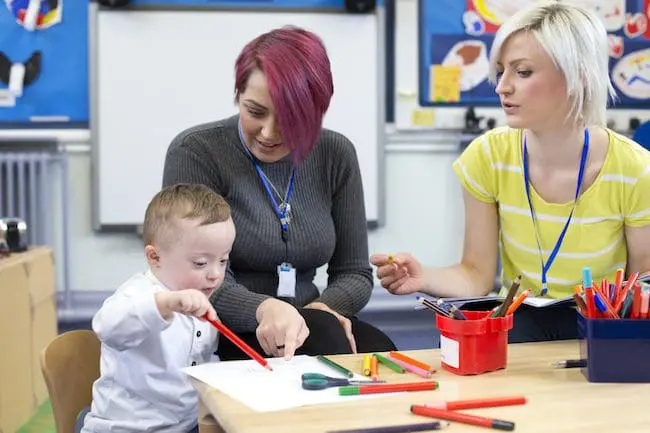
Paediatric First Aid Training Nursery Staff

What type of first aid training do nurseries and childcare providers need?

In an updated version of their guidance on The Health and Safety (First-Aid) Regulations 1981. the Health and Safety Executive have produced some guidance on what type of first aid provision should be in place for nurseries and childcare providers.  Every employer or manager should carry out a first aid needs assessment for their business to

What type of first aid training do nurseries and childcare providers need? Read More »

Sickle Cell Anemia

Recognising Sickle Cell Anemia

Recognising Sickle Cell Anemia Sickle cell disease is the name for a group of inherited conditions that affect the red blood cells. The most serious type is called sickle cell anemia. This article looks at recognising Sickle Cell Anemia signs and symptoms. Sickle cell disease is a group of disorders that affects hemoglobin, the molecule

Recognising Sickle Cell Anemia Read More »

A baby crying

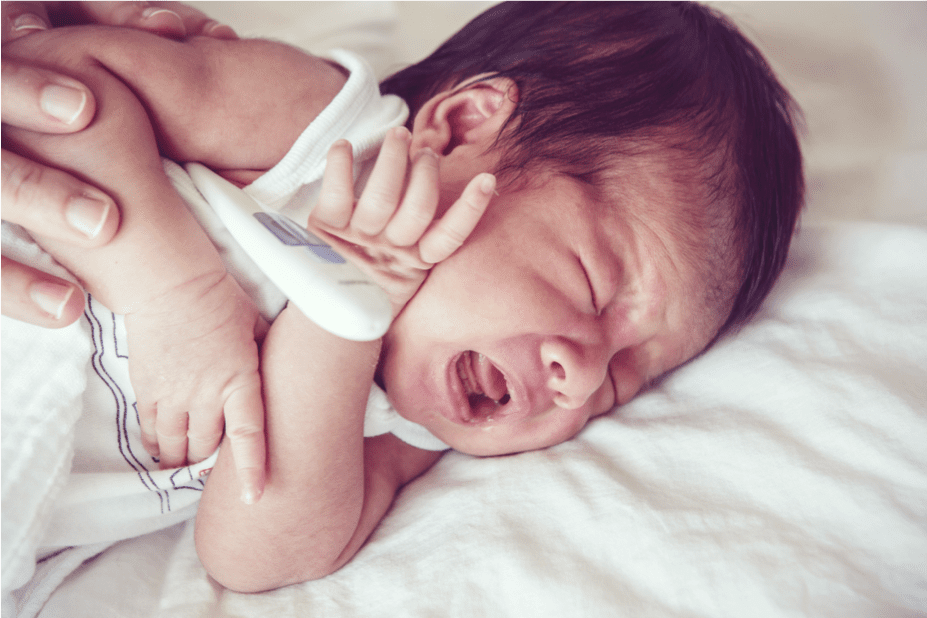
Managing Febrile Convulsions

Febrile convulsions (seizures) occur when a child has a high temperature. The growing brains of small children are more sensitive to temperature (fever) than mature brains. When brain activity is upset, a convulsion can occur. Although convulsions are alarming, managing Febrile Convulsions is simple and they are rarely dangerous if dealt with properly. Febrile convulsions

Managing Febrile Convulsions Read More »

Recognising Meningitis

Recognising Meningitis Meningitis is an infection of the protective membranes that surround the brain and spinal cord (meninges). It can affect anyone but is most common in babies, young children, teenagers and young adults. Meningitis can be very serious if not treated quickly. It can cause life-threatening blood poisoning (septicaemia). here are some ways to

Recognising Meningitis Read More »

Scroll to Top
Secret Link