
Recognising Meningitis
Meningitis is an infection of the protective membranes that surround the brain and spinal cord (meninges). It can affect anyone but is most common in babies, young children, teenagers and young adults. Meningitis can be very serious if not treated quickly. It can cause life-threatening blood poisoning (septicaemia). here are some ways to recognising meningitis –

People with septicaemia may develop a rash of tiny ‘pin pricks’ which can develop into purple bruising. THIS RASH DOES NOT FADE UNDER PRESSURE. DO THE GLASS TEST
Glass test
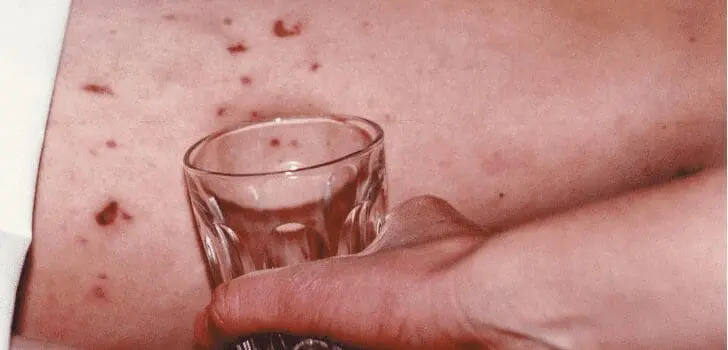
- Press the side of a clear glass firmly against the skin
- Spots/rash may fade at first
- Keep checking
- Fever with spots/rash that do not fade under pressure is a medical emergency
- Do not wait for a rash. If someone is ill and getting worse, get medical help immediately
On dark skin, the spots/rash can be more difficult to see. Be aware of all meningitis signs and symptoms.
Meningitis is usually caused by a viral or bacterial infection. Viral meningitis is the most common and least serious type. Bacterial meningitis is rare but can be very serious if not treated. You can reduce the risk of contracting meningitis by ensuring all your vaccinations are up-to-date.
How meningitis is spread –
Meningitis is usually caused by a bacterial or viral infection. Bacterial meningitis is rarer but more serious than viral meningitis.
Infections that cause meningitis can be spread through:
- sneezing
- coughing
- kissing
- sharing utensils, cutlery and toothbrushes
Meningitis is usually caught from people who carry these viruses or bacteria in their nose or throat but aren’t ill themselves.
It can also be caught from someone with meningitis, but this is less common.
Meningitis Now have developed an app for smart phones which demonstrates signs and symptoms of meningitis.
You can view more of our Paediatric First Aid videos on the following links:
How to perform CPR on an Infant
How to treat a choking child or infant
Our Paediatric First Aid manual – answers at your fingertips!
Did you know you can purchase a digital Paediatric First Aid manual so you can see what to do in an first aid incident involving a child or infant on your phone or tablet? You can view the full range of our Digital First Aid Manuals here.
Our Paediatric First Aid Campaign
We are asking the Scottish government to change the law to make it compulsory for all Early Years and Childcare (ELC) Providers to have a member of staff on duty when children are present, or on visits, with a 12-hour Paediatric First Aid qualification.
What Can You Do?
We need your support to make this campaign a success and bring Scotland at least into line with the rest of the UK. Please share the campaign content around your friends, family and colleagues.
You can also Sign our 38 degrees petition asking the Scottish Government to change the law