
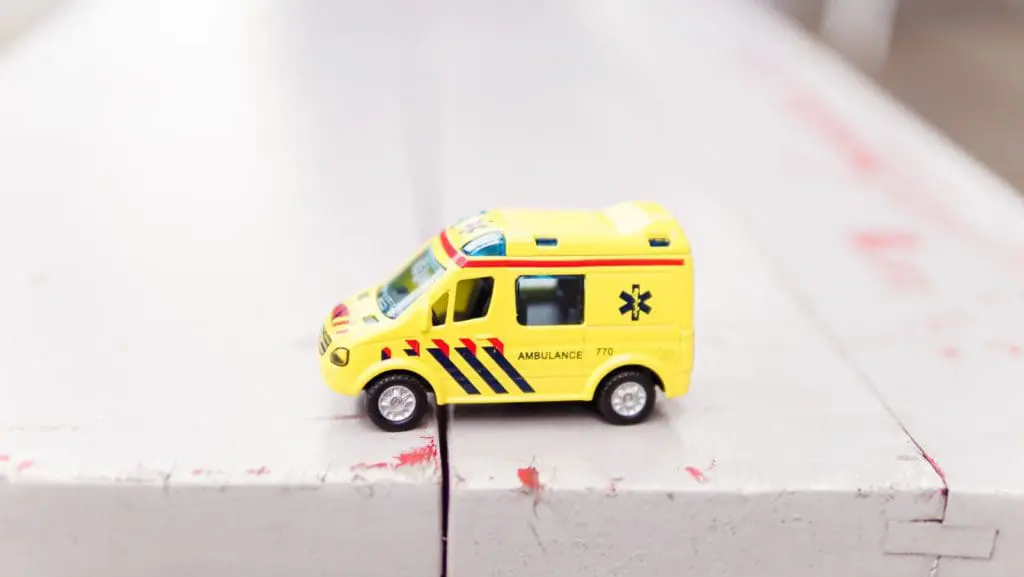
MIST is an acronym used by first aiders when handing over a casualty to the next level of emergency care. This clinical handover in the trauma setting follows a standard format in order to prevent information being lost between casualty carers.
The 4 parts of MIST are:
- Mechanism of injury
- Injuries found
- Signs and symptoms
- Treatment
M – Mechanism of Injury
What was the cause of the injury? If possible, get a brief description of what happened.
If a casualty was hiking and suffered an injury to the foot, the mechanism is what caused the injury. It could be impact, an impaled object or a worsened on-going injury. For a non-traumatic injury, such as ingesting something toxic, the mechanism would be poisoning.
I – Injury
What do you suspect the illness or injury to be?
For our hiking casualty, it could be a strain. For our poisoning casualty, it could be pain or a burning throat.
S – Signs & Symptoms
What made you noticed the injury? When you ask the casualty what the problem is, what do they describe?
For our hiking casualty, pain or bleeding is a clear sign. For our poisoning casualty, it could be vomiting or difficulty breathing.
T – Treatment
What treatment have you provided, or has been provided by others, prior to handing over to the medical professional?
Some care providers expand this acronym to DMIST. The D stands for ‘Details’ and included information such as the casualties gender and age.