
Ann McKillop

Ann has been working in the Scottish countryside for more than 30 years and has an extensive knowledge of the world of rangering, volunteering and conservation sectors. She is currently writing a book on the history of Countryside Rangers in Scotland. She has particular skills in event management, environmental education and has experience in the agriculture and forestry sectors including chainsaw, tractor and excavator work. Alongside training, Ann is also our chief content creator, keeping our blogs up to date. She also coordinates our healthcare courses from her office in Oban. Ann keeps active volunteering with the Scottish Wildlife Trust and the Scottish Charity Air Ambulance. She also plays percussion in a band so her lifestyle ranges from quiet outdoor pursuits to very very loud indoor ones!

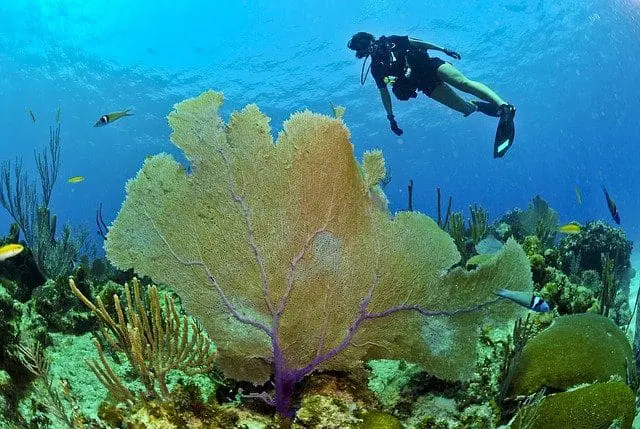
First Aid and Medicines from the Ocean.

The ocean – with its amazing biodiversity – offers many more organisms for scientists to discover and develop new medicines. Scientists have extracted chemicals from corals and sponges that fight some of the worst infectious bacteria and many other micro-organisms, seaweeds, snails and crustaceans are proving very beneficial in the search for new medicines. The nature of living…

First Aid and Medicines from the Ocean. Read More »

AI image of a man in a forest with arms outstretched

First Aid Training Co-operative to Deliver Mental Health Workshop at the IOL Scotland Conference 2026

The outdoor sector has always recognised the importance of keeping people physically safe, but mental health is now rightly receiving the same level of attention. Whether leading a mountain expedition, instructing a paddle sport session, working at an outdoor centre or supporting colleagues behind the scenes, outdoor professionals can find themselves responding to someone experiencing

First Aid Training Co-operative to Deliver Mental Health Workshop at the IOL Scotland Conference 2026 Read More »

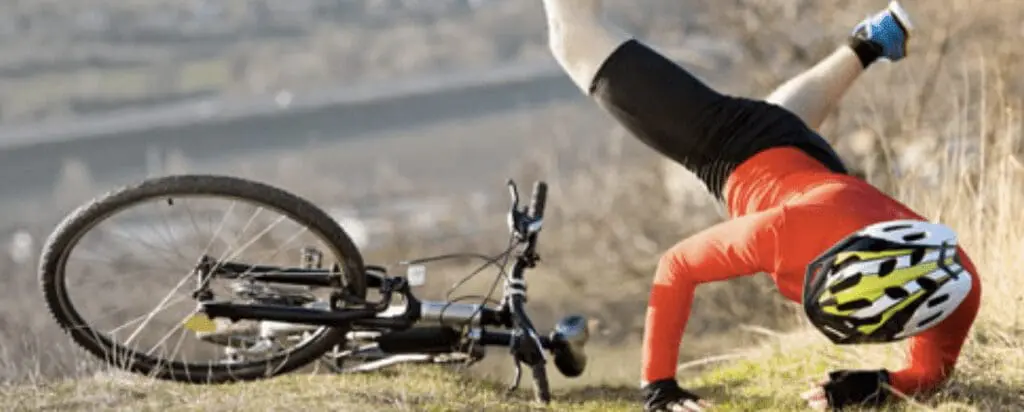
Person falling off a bike

5 common cycling injuries and how to prevent – and treat – them

Mountain biking and cycling are inherently risky sports – trail & road surfaces, other riders and vehicles, trees, branches and protruding roots, boulders, mechanical failures all present significant hazards no matter how prepared you are or how skilfully you ride. First things first – does your bike fit you? One of the most common causes

5 common cycling injuries and how to prevent – and treat – them Read More »

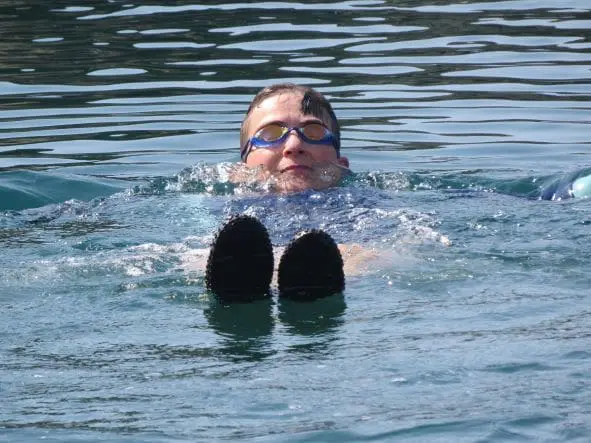
A person floating on their back in open water

Cold Water Shock and Drowning: what you need to know – and do

Updated May, 2026 What is Cold Water Shock? Immersing yourself in cold water is an increasingly popular activity and being touted to provide many health benefits, but sudden immersion in cold water can be very dangerous. ‘Seasoned’ cold water swimmers enjoy repeated visits and as a result their body acclimatises to cold more readily. For others,

Cold Water Shock and Drowning: what you need to know – and do Read More »

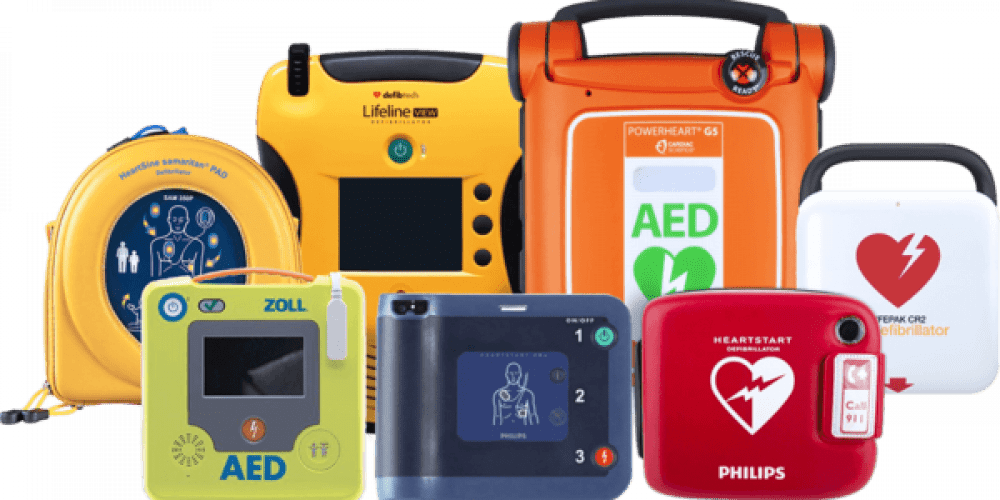
A selection of different models of defibrillators or AEDs

20 FAQs about defibrillators

Defibrillators or AEDs are life saving devices that are now commonplace in our communities and workplaces. We use AED trainer devices on all of our courses and often get similar questions from our course participants. We’ve therefore put together this list of 20 of the most common questions to help explain and understand these life

20 FAQs about defibrillators Read More »

Gardening tools and tulips, first aid for gardeners is useful to know

First Aid for Gardeners

The benefits of gardening are not limited to fresh air and exercise but are also great for your mental health too. However, in our enthusiasm to tackle a big gardening job or our determination to get things finished, injuries often occur.  Here are our top tips for first aid for gardeners for dealing with or

First Aid for Gardeners Read More »

Doctor in scrubs giving a 'thumbs up'

Annual CPR / AED updates for Primary Care practices.

Since the introduction of the UK Resuscitation Council Primary Care Standards (2020) it is mandatory for annual updates of CPR/AED skills to be undertaken by clinical staff.  It is also recommended for non-clinical staff too. Resuscitation Council Guidelines, 2025: Guidelines are reviewed every 5 years and the latest review was published in October 2025 and

Annual CPR / AED updates for Primary Care practices. Read More »

Scroll to Top
Secret Link