Most people in the UK are aware than in an emergency, you should call 999 to reach the fire, police or ambulance services. Yet, several other numbers are also promoted for non-emergency use. Do you know the difference?
999 = Emergencies only.
999 has been used in the UK for over 80 years and was the world’s first single emergency number. The number 999 was chosen for technical reasons, but had an incidental benefit – the number 9 could easily be found on a rotary phone, as it was next to the dial stop. 999 is used in around 20 different countries around the world. In the UK, they take over 20 million calls in a year. It’s important to know which Emergency Service you need and whether it really is an emergency.
Through calling 999, you can contact:
- Police
- Ambulance
- Fire and Rescue Service
- Coastguard
- Mountain Rescue (you must first ask for Police)
- Lowland rescue
- Cave rescue
- Moorland search and rescue service
- Quicksand search and rescue service in Morecambe Bay
- Mine rescue
- Bomb disposal
112 = Emergencies only, UK and overseas.
112 was introduced in April 1995 in the UK. It was introduced across Europe in order to give a standard number for travellers to call across the EU. It is now used by over 100 countries around the world for emergency calls. In the UK, it connects to the same services as 999 and works in exactly the same way. Neither number has priority over the other, so you may use either number to reach the emergency services.
Always do your own research before travelling. You can see a list of countries that use 112 here. There are now lots of them!
Using 999 and 112: How to Call in an Emergency
To call 999 and 112, simply enter the number into your mobile telephone or landline. The call is free. The operator will answer and ask ‘Which service do you require”. If you are unsure, the operator can advise.
What to say when you contact emergency services:
Think about the essential information to get across quickly and clearly. A good acronym for this is LIONEL:
- Location – accurate location such as Grid Reference, Street name and number, What 3 Words
- Incident – What has happened – be clear and concise.
- Other services required – fire & rescue, coastguard, mountain or cave rescue etc.
- Number of casualties involved. They may also ask you how many are in your group on site.
- Extent of injuries and/or environmental conditions if relevant
- Location again – and the logistics of getting emergency services to the scene or a casualty out.
Read more in detail about LIONEL in this short blog.
What is a first aid emergency?!
An emergency is considered when a person has a life threatening illness or injury. This would include:
- Severe chest pain or heart attack
- Difficulty breathing or not breathing
- Stroke symptoms
- Loss of consciousness
- Severe bleeding or bleeding that won’t stop
- Severe injuries from an accident
- Seizures that last more than 5 minutes
- Severe burns or deep wounds
- Anaphylaxis
- Suspected meningitis
- Drowning
- Choking
- Hypothermia
- Suspected suicide attempt
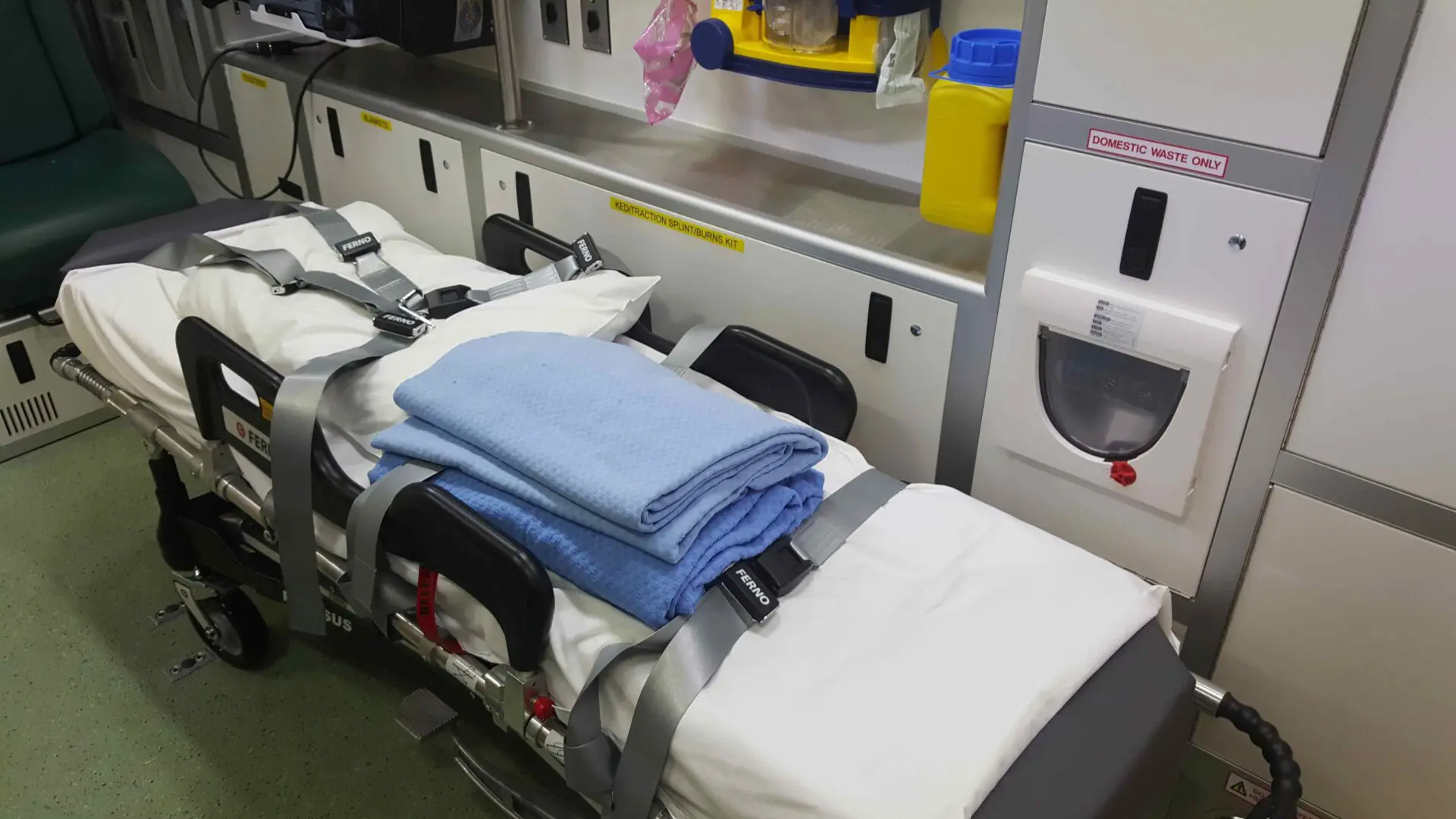
What to do when you’re waiting for an ambulance to arrive:
- Stay with the person until help arrives
- If you’re in a dark house, turn on lights and open curtains
- If you’re in a car, turn on the hazard lights
- Call 999 again if the person’s condition changes
- Call 999 again if your location changes
- Lock away family pets
- Write down the person’s GP details and collect any medicine they’re taking, if you can
- Tell the paramedics about any allergies or medical conditions the person has, if you know
Keep yourself calm, keep the casualty calm and reassure them.
Other 999/112 phone tips:
Emergency call roaming – In 2009, UK mobile phone networks introduced “Emergency Call Roaming”. This means that although a mobile phone might display a ‘no signal’ message, an emergency call will attempt to contact through another network. However, you will be unable to receive a call on that network, even if the inbound call is from emergency services.
No SIM card? – However, if your phone does not contain a SIM card, you cannot make emergency calls. A SIM-less phone may display ‘Emergency Calls Only’, but that’s the phone’s software displaying the message. SIM free emergency calls have been blocked due to untraceable hoax calls.
Pay As You Go – With a Pay as you Go phone with no credit left, you can still make a 999 call.
How to Text 999 in an Emergency
You can only send a text from your own phone network. If you have a weak or intermittent signal on your home network sending a text to 999 could be a
111 = Non-emergency number for the NHS
NHS 111 can help if you have an urgent medical problem that is not an emergency issue and you’re not sure what to do. You will speak to an advisor, who will ask a series of questions about your condition, or the condition of the person affected. They can always transfer you to the 999 operator if necessary. They can also arrange for you to attend A&E and alert them to the fact that you are coming in.
101 = Non-emergency number for the Police only
101 is only available if you are calling from within England, Wales, Scotland or Northern Ireland.
You can call 101 to report crime that is not an emergency. For example:
- Your car or property has been stolen
- A car accident with no-one injured
- Your property has been damaged
- You suspect drug use or related crime in your neighbourhood
- Share information about crime in your area
- Speak to the police
You should always call 999 when it is an emergency, such as when a crime is in progress, someone suspected of a crime is nearby, when there is danger to life or when violence is being used or threatened.
In remote areas:
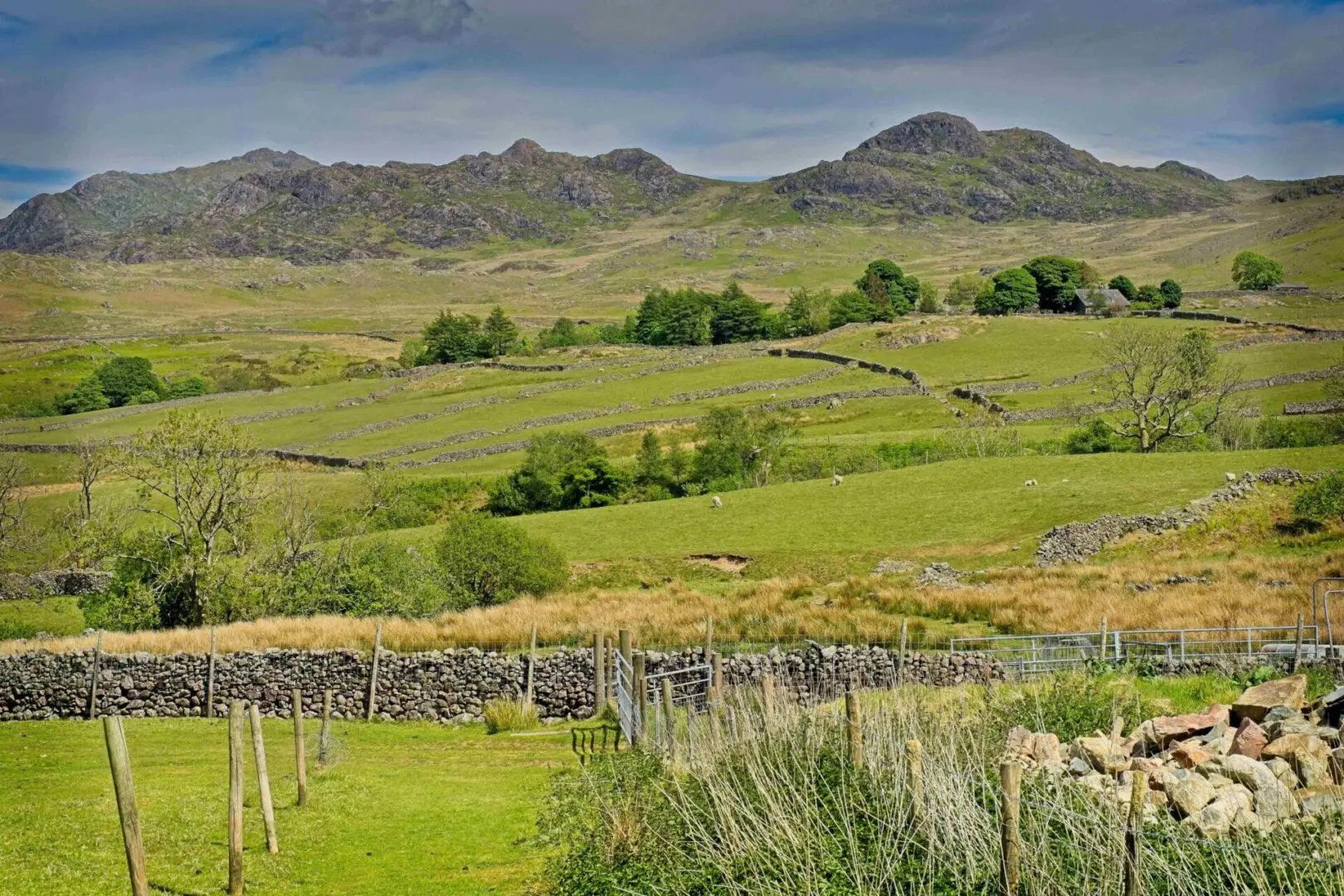
Where are you, exactly? In remote settings, always give an accurate location using a UK Grid Reference or What3Words.
Triangulating onto your phone. Emergency services, including Mountain Rescue, will often triangulate onto your phone signal in order to locate you. This can be done whether you’ve called for help or texted for help.
Monitor and reassure the casualty. Ensure they’re warm and dry. Check their vital signs on a regular bases. Record this if you can – you can download a free casualty monitoring card here.
Get confident – get trained!
We cover calling the emergency services on land and sea on our First Aid courses. You can find out more about our courses here and in-particular maybe have a look at our 1-Day Emergency First Aid at Work course.
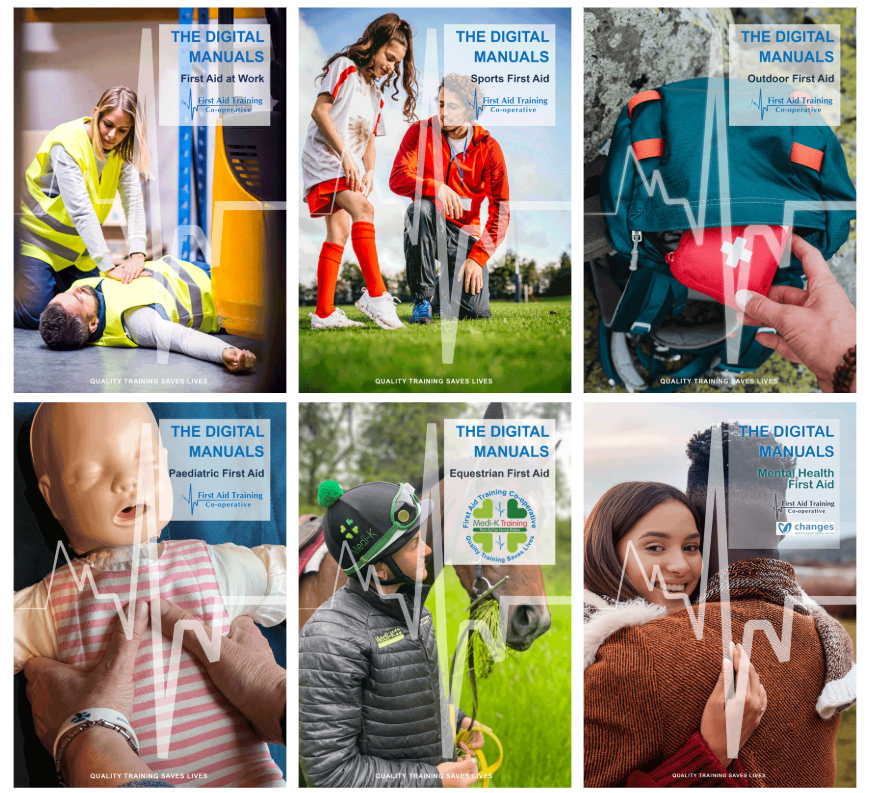
Everyone on our courses receives a FREE digital first aid manual. We have a range of manuals relevant to the courses we teach – Outdoor, Equestrian, First Aid at Work, Paediatric, Sports and Mental Health. They are a great resource that you can download onto your phone or other device and have all that first aid knowledge at your fingertips. You can view them or buy them via our shop.