Updated September 2026
What is Sepsis?
Normally the immune system should fight an infection. But in the case of Sepsis, the immune system reacts by attacking the organs and tissues of the body. Sepsis is life-threatening and can be hard to spot. It is a form of blood poisoning that is caused by the immune system over-reacting to an infection or injury. The reasons for this occurring are still not fully understood.
With early diagnosis, Sepsis can be treated effectively with antibiotics and other interventions. However, if not identified and treated immediately, Sepsis can cause many problems, including organ failure and death. It is critical that Sepsis is identified and treated. Every minute matters for someone that has developed sepsis. For every hour of delay in treatment, the risk of death increases by 8% – a frightening statistic.
The current statistics for Sepsis are equally frightening. 25,000 children are affected by Sepsis each year in the UK. While 5 people die every hour, as a result of Sepsis, 25% of Sepsis survivors suffer permanent, life-changing after effects. In terms of the number of admissions to hospital annually, Sepsis admissions are higher than heart attacks.
Year Cases in UK
Deaths in UK
Deaths per Hour
What are the signs of Sepsis?
Sepsis can be hard to diagnose and is too often missed by lay people and medical professionals alike. There
The following signs and symptoms advice comes courtesy of The UK Sepsis Trust. It is important to note that the signs & symptoms are different in different age groups. Sepsis may also present differently with people with underlying medical conditions such as Asthma, COPD or illnesses such as pancreatitis.
How to spot Sepsis in Adults?
Seek medical help urgently if you (or another adult) develop any of these signs:
- Slurred speech or confusion
- Extreme shivering or muscle pain
- Passing no urine (in a day)
- Severe breathlessness
- It feels like you’re going to die
- Skin mottled or discoloured
How to spot Sepsis in Children?
If a child is unwell with either a fever or low temperature, call 999 and ask: could it be Sepsis? A child could have sepsis if they are:
- Breathing very fast
- Has a fit or convulsion
- Looks mottled, bluish or pale
- Has a rash that does not fade when you press it
- Is very lethargic or difficult to wake
- Feels abnormally cold to touch
How to spot Sepsis in Children under 5?
- They are not feeding
- Vomiting repeatedly
- Has not passed urine in 12 hours

What is the first aid treatment for sepsis?
- If you suspect sepsis based on the casualty’s injuries, signs and symptoms, phone 999/112 immediately as ask “Could it be sepsis?” during the phone call.
- Give your exact location. Send someone outside or visible to direct the ambulance to the casualty.
- Arrange emergency evacuation – within one hour. Give your exact location.
- Ensure all wounds are thoroughly cleaned and dressed
- Be prepared to treat for shock. Keep them warm and reassured with their legs raised f they’re conscious – watch our video on how to treat a casualty for shock.
- Antibiotics can be administered by a qualified medical professional prior to hospitalisation
If you even suspect that any of the signs or symptoms above may be presenting in a casualty, and the seem to be deteriorating, then don’t hesitate and call 999 or 112 immediately. In more minor cases such as if you are concerned about an infection, call 111 or speak to your GP. In either case, it is always worth asking “Could it be Sepsis”?
What causes Sepsis?
Sepsis is a condition that is triggered by an infection and may develop as a result of any of the following. This list is not extensive – other causes exist!
- Pneumonia – an infection of the lung tissue
- Urinary Tract Infections
- Abdominal or bowel infections
- Cellulitis – an infection on the skin following a wound, large or small
- Meningitis – infection of the meninges membrane in the brain
- Septic Arthritis – joint inflammation caused by an infection
Each of these causes will present a range of different signs and symptoms. That is the challenge the medical professionals face and they will then do tests to discover the likely cause of the sepsis. It is a time critical condition. The national target to achieve this diagnosis and deliver initial treatment is within one hour.
How is Sepsis diagnosed and treated at the hospital?
Sepsis is diagnosed through a clinical testing pathway including temperature, blood pressure, respiratory and heart rate, alertness level, glucose & lactate levels, urine output and checks for rashes.
Once sepsis is suspected, oxygen will be given, blood tests done, antibiotics prescribed, additional fluids given and lactate and urine levels will be monitored.
Research into Sepsis on an international level has lead to more effective diagnosis and the ‘Red flag’ approach to quick diagnosis and immediate treatment.
Outside of a hospital setting, it still relies on members of the public, GPs, Paramedics and first aiders to be more aware of the possibility of sepsis in a casualty. Get to know the signs and symptoms of sepsis outlined above. If you have a casualty with a wound, ensure it is cleaned thoroughly and the casualty is monitored regularly. If they have an internal wounds, be alert to their ongoing condition and the potential for sepsis developing.
How can I avoid Sepsis?
- Prevention is important and the first step is to be aware of potential infections and thoroughly clean any wounds, even minor ones.
- If you’re taking antibiotics for an infection, always complete the course even if you feel better.
- Ensure children have all their vaccines up to date.
- Always wash your hands regularly and thoroughly.
How can I find out more about Sepsis?
The UK Sepsis Trust has lots of information on Sepsis and what you can do about it. They have annual fundraising and awareness campaigns with lots of resources available to support you. Their logo is bright red – so grab your red socks and t-shirt and give them your support!
Get confident – get trained!
To prepare for the worst why not consider taking a first aid course so you can manage an incident if one occurs. To find out which first aid course is best for you check out our full range of First Aid courses.
All of our First Aid Courses include the checking, dressing and monitoring of wounds. You can view the full range for all sectors using the button below.
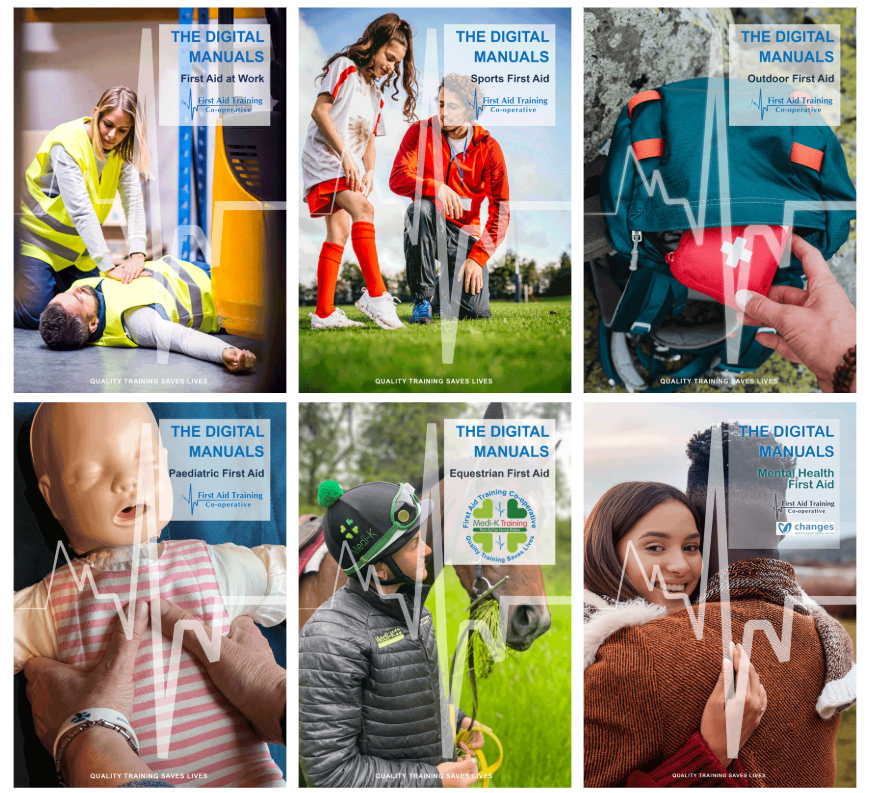
Everyone on our courses receives a FREE digital first aid manual. We have a range of manuals relevant to the courses we teach – Outdoor, Equestrian, First Aid at Work, Paediatric, Sports and Mental Health. They are a great resource that you can download onto your phone or other device and have all that first aid knowledge at your fingertips. You can view them and buy them for less than £5 here.