
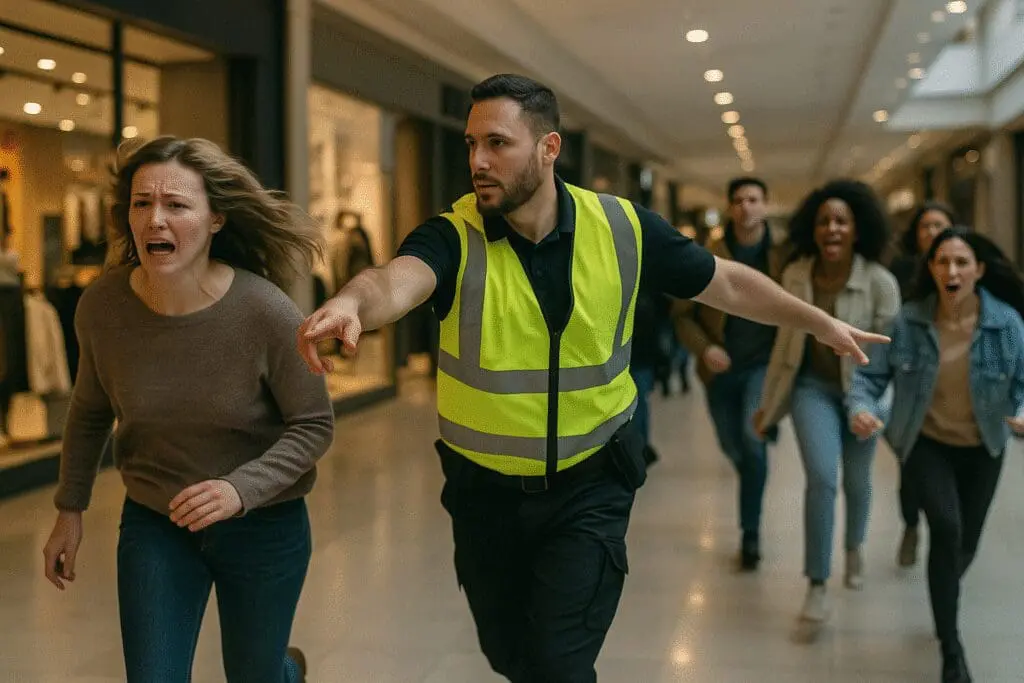
Martyn’s Law, officially titled the Terrorism (Protection of Premises) Act 2025, is now on the statute books and in full force. From April 2025, UK venues and publicly accessible premises have 24 months to become compliant—or face potential enforcement, fines, reputational damage, and serious operational consequences.
If your business hosts members of the public—whether it’s a shopping centre, concert hall, stadium, nightclub, place of worship or large pub—you are likely now legally required to prepare for a terrorist incident.
In this blog, we explain:
- What Martyn’s Law is and who it applies to
- The two tiers of duty under the law
- What businesses must do to comply
- Why First Aid at Work (FAW) is no longer enough
- How our Major Incident Management (MIM) training helps you meet your legal and moral obligations
What Is Martyn’s Law?
Martyn’s Law is named in memory of Martyn Hett, one of the 22 people killed in the Manchester Arena bombing in 2017. Following the attack, Martyn’s mother, Figen Murray, campaigned for legislation requiring public venues to take greater responsibility for protecting people from terrorism.
Thanks to her efforts and the recommendations of the Manchester Arena Inquiry, the UK Government passed the law in April 2025 and businesses now have two years to fully comply.
What Does Martyn’s Law Require?
Martyn’s Law introduces a tiered approach based on a venue’s capacity:
Standard Tier (200–799 people)
If your venue can host 200–799 people at any one time, you fall under the Standard Tier and must:
- Carry out a terrorism risk assessment
- Train staff in basic terrorism response procedures (evacuation, lockdown, invacuation)
- Create and communicate an emergency action plan
How to Meet the Rules for 200+ Capacity Venues Under Martyn’s Law (Standard Tier)
If you run a venue that can host 200 or more people—whether it’s a community hall, theatre, shopping centre, or place of worship—you are now legally required to take action under Martyn’s Law (Terrorism (Protection of Premises) Act 2025).
The law applies to:
- Events and venues with a capacity of 200 or more
- Your premises are open to the public, either freely or by ticket
- You’re not a private residence or office-only space
- Both indoor and outdoor spaces
Examples of affected venues:
- Community centres
- Theatres, cinemas, and arts venues
- Libraries
- Places of worship (churches, mosques, synagogues, temples)
- Restaurants, pubs, and nightclubs
- Medium-sized shopping centres
- Tourist attractions and amusement centres
- Sports halls and leisure facilities
- Higher education buildings used for public events
Note: Martyn’s Law does not apply to primary or secondary schools or venues used solely for childcare or further education, because these environments are generally secure and not openly accessible to the public. However, higher education establishments (e.g., universities) are included, as they are more likely to be open to the public and host large events.
What Must Standard Tier Venues Do?
The Standard Tier doesn’t require high-level security operations, but it does legally require you to:
1. Conduct a Terrorism Risk Assessment
- Identify potential threats relevant to your venue
- Consider how an attack might occur (e.g., acid, knife, gun, bomb)
- Assess weak points and vulnerabilities
- Record your findings
2. Provide Basic Staff Training
Staff must be trained to:
- Recognise signs of suspicious behaviour or packages
- Understand what to do in an emergency (evacuate, invacuate, lockdown)
- Communicate with emergency services
- Reassure and direct the public
3. Plan Emergency Responses
You need an Emergency Action Plan which includes:
- Evacuation routes
- Lockdown procedures
- First aid resources
- How to protect staff and the public in different attack scenarios
Enhanced Tier (800+ people)
If your venue holds 800 or more people, you now have a legal duty to implement more advanced safety and emergency response measures—including:
- Complete a detailed terrorism risk assessment
- Create a formal security plan
- Appoint a Senior Responsible Person for Martyn’s Law compliance
- Train staff in trauma first aid, crowd management and emergency communications
- Conduct regular drills and exercises
Who Does the Enhanced Tier Apply To?
The Enhanced Tier applies to venues and events with 800 or more capacity, where members of the public are allowed access, including ticketed spaces. Examples include:
- Stadiums and sports grounds
- Large theatres and concert halls
- Convention centres and exhibition halls
- Airports and major transport hubs
- Large shopping centres
- Major event venues (festivals, nightclubs, arenas)
- Universities and colleges (especially during public events)
- Places of worship that regularly host large gatherings
What Enhanced Tier Venues Must Do
The Enhanced Tier requires robust planning and training beyond what most venues currently do. Here’s what you’re now expected to put in place:
1. Comprehensive Terrorism Risk Assessment
- The types of attacks that could realistically occur
- Vulnerable access points
- Potential targets or high-risk activities
- The effectiveness of existing controls
This assessment should be documented, reviewed regularly, and used to shape your security plan.
2. Develop a Formal Security Plan
This is a written document that outlines:
- Protective security measures (e.g., access control, surveillance, physical barriers)
- How your venue will respond to specific threats (acid attack, bomb threat, active shooter)
- Staff roles and responsibilities
- Communications protocols (internal and with emergency services)
3. Appoint a Responsible Person
You must designate a Senior Responsible Individual who will:
- Oversee compliance with Martyn’s Law
- Keep risk assessments and plans up to date
- Lead the response if an incident occurs
4. Train Staff to Respond to Major Incidents
All relevant staff—including security, front-of-house, stewards, managers, and volunteers—must be trained in:
- Evacuation and lockdown procedures
- Communication and crowd control
- Trauma first aid for mass casualties (Major Incident Management training)
- Situational awareness and identifying suspicious activity
5. Conduct Regular Drills and Exercises
You must test your plans in practice, not just on paper. These exercises should simulate:
- Terror-related emergencies
- Use of trauma kits and radios
- Lockdown and invacuation scenarios
- Multi-casualty triage
The Cost of Training vs. The Cost of Getting It Wrong
Let’s be honest—advanced training takes time and budget. But compare that to:
- The cost of failing an inspection
- The cost of a lawsuit or inquiry
- The cost of damaged reputation
- The devastating human cost if an incident occurs and your team aren’t ready
Get trained now—costs will only increase as demand rises.
Why First Aid at Work (FAW) Is Not Enough to meet Martyns Law
Let’s be clear: FAW was not designed for major incidents involving mass casualties, bomb blasts, gunshot wounds or acid attacks.
Martyn’s Law recognises that venues must go beyond slips and trips. Your team needs the skills to:
- Stop catastrophic bleeding
- Use tourniquets and haemostatic dressings
- Perform triage in chaotic environments
- Understand lockdown vs evacuation
- Use PAcT kits (Public Access Trauma Kits)
- Communicate effectively with emergency services
Without training, you’re not just legally vulnerable—you’re putting real lives at risk.
What Happens If You Don’t Comply?
If you fail to comply with Martyn’s Law:
- Your venue could face significant fines (Enhanced Tier fines may reach £18 million or 5% of global turnover)
- You may be publicly named and shamed in the media
- Victims and families could pursue legal claims
- Your licensing or insurance may be affected
- The reputational damage could destroy your brand
The cost of training and planning is nothing compared to the cost of getting it wrong.
Our Major Incident Management (MIM) Training Can Help
At the First Aid Training Co-operative, we’ve developed a specialist Major Incident Management course that directly supports Martyn’s Law compliance. It’s practical, realistic, and built for venues like yours.
MIM training includes:
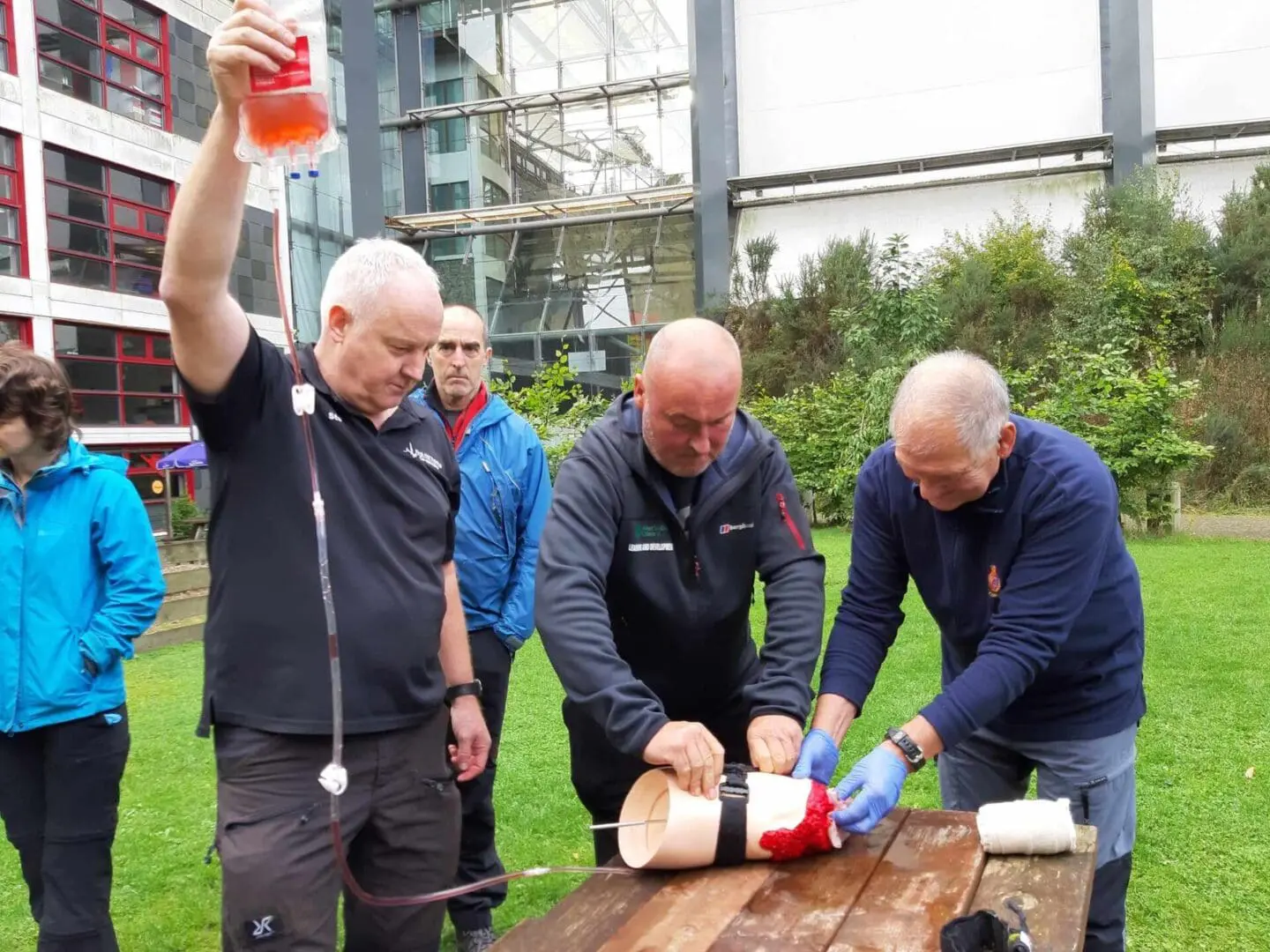
- Hands-on trauma care: bleeding control, burns, airway management
- Use of PAcT kits
- Triage and multi-casualty simulations
- Evacuation and invacuation drills
- How to complete your terrorism risk assessment
- Use of ProtectUK Action Cards
This is not a classroom-only course. We bring the training to your site and tailor it to your venue’s layout, audience, and operating needs.
We also offer Mental Health First Aid courses to support staff and teams after critical incidents.
Further Reading & Official Sources
ProtectUK – Martyn’s Law Overview
Final Thoughts – Don’t Wait. Prepare Now.
Martyn’s Law isn’t a future issue—it’s the law of the land now. You have a 24-month window to train your staff, write your plans, and protect your visitors.
Don’t wait until guidance tightens, demand rises, and training becomes more expensive. Start your compliance journey today.
Want to make sure your venue is Martyn’s Law ready?
Book a Major Incident Management course or contact us for compliance support.