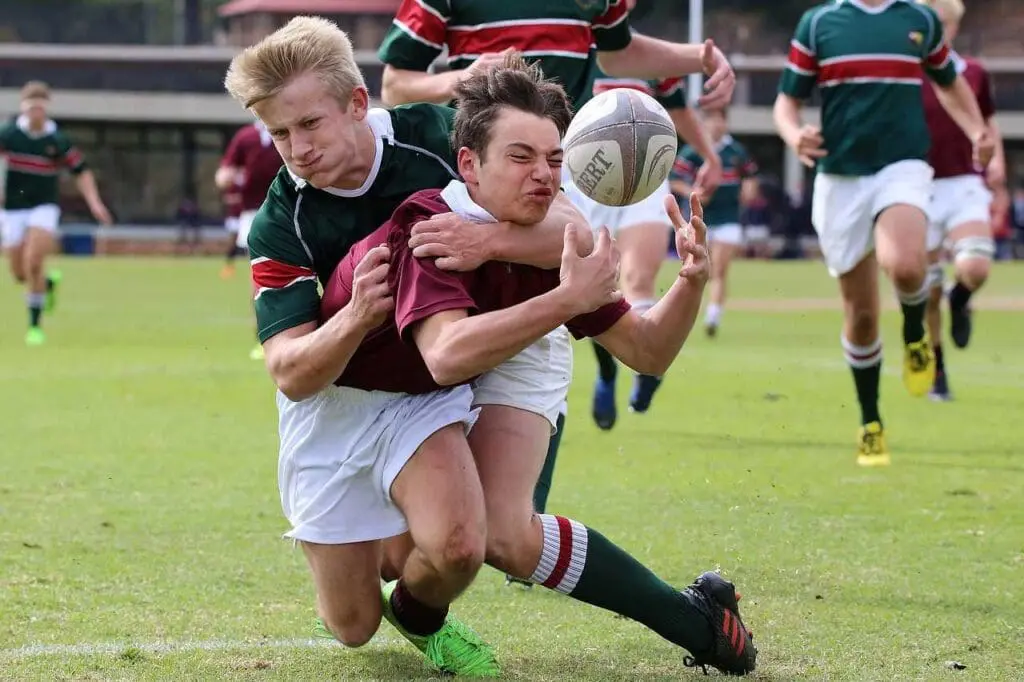
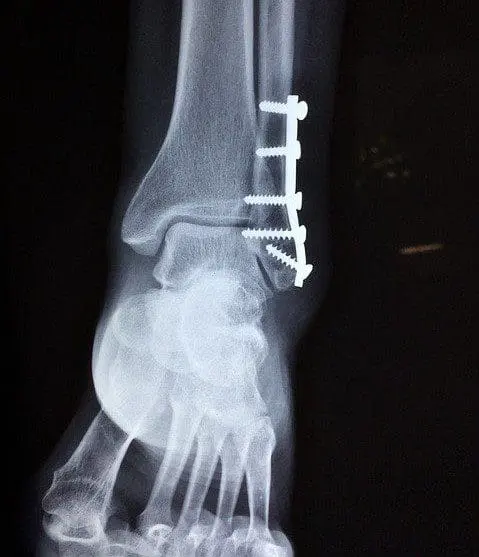
An estimated 80,000 fractures due to sporting activities occur in the UK each year . In addition to fractures, participation in sports can lead to a wide range of other injuries, including muscle, tendon and ligament sprains, injuries to the central nervous system, internal organ damage and concussion. Injuries are most usually caused by impact or trauma but in some cases can be the result of repetitive use or overuse of muscles, tendons and ligaments.
Facts about sports injuries:
- Injuries occur more often during competitive play than in training. For example, among rugby union players, the overall incidence of injury was 2 per 1,000 player-hours during training and 91 per 1,000 player-hours during matches.
- In one Scottish hospital, 13% of all fractures seen over a one year period were sports related. Although these injuries were sustained through playing 41 different sports, almost 60% were gained through playing football or rugby.
- Among sports injuries presenting to a Scottish Accident and Emergency department, 73% were soft tissue injures. Around 16% were for fractures, 4% for laceration and 3% for head injury.
- The majority (67%) of people attending a Scottish A&E department for a sporting injury were discharged with instructions to visit their GP. A quarter of people were referred to outpatient clinics, 5% to physiotherapy and 3% were admitted to hospital.
- Certain groups of people are more likely than others to sustain a sporting injury, including males and those of younger than 30 years old.
How can we prevent sports injuries?
Safer sports equipment: The use of safer sports equipment (e.g. softer balls for some sports) for younger or inexperienced players can reduce sporting injury rates.
Use of protective equipment: The use of protective equipment can be effective in reducing injury but is dependent on the sport played. This may include helmets, ankle braces, mouth guards, wrist and elbow guards and eye goggles.
Changing rules of play: Modifying rules of play to prohibit aggressive or dangerous behaviour. In some sports this has resulted in reductions in head and spinal cord injuries.
Training programmes: Participation in training programmes to improve co-ordination, strength, technique and awareness of injury risks, has been successful in reducing rates of sporting injury. Programmes are more effective for those participants reporting a previous injury.
Multi-component programmes: Programmes that combine more than one element. For example, warm up sessions, attending regular training, the use of ankle braces and rehabilitation of injuries can all be effective in reducing or preventing further sporting injuries.
Use a PAR-Q Questionnaire – This is a common method used by sports and fitness professionals to help highlight any underlying medical or health issues. It is usually done at or before any induction programme at a gym or sports club. If the questionnaire highlights any issues, it is advisable for the person to seek a doctor’s advice before continuing.
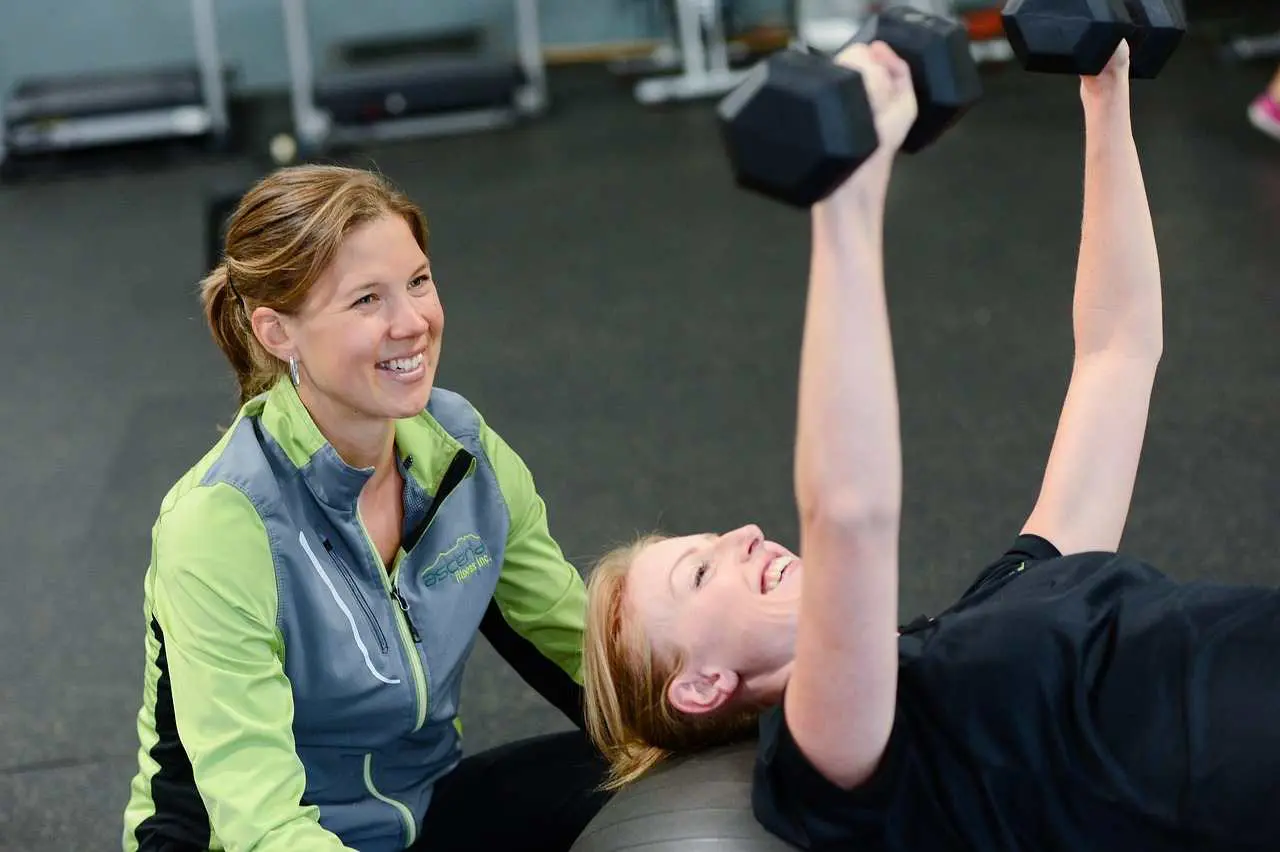
Things to consider if you’re a sports or fitness professional:
- What questions should ask at the start of any class?
- How would you give participants opportunity to talk in private?
- Pregnant participants/ elderly participants – are you covered to instruct such a client? What level of qualification do you have?
- Do you have qualifications which permits you to instruct any special groups?
- Do you have an appropriate first aid kit, first aid qualifications and do you know how to use it?
- Are you aware of any allergies of participants?
- Do you have Accident forms or an Accident book?
- Ice packs – does the facility have some on site?
- Aspirin, inhalers and epi-pens – where are participants medications or devices when they are exercising?
- Do clients arrive with water? Is water readily available on site?
Get confident – get trained – and get a digital Sports First Aid manual on your phone!
Knowing what to do BEFORE it happens is essential and attending a first aid course will give you the knowledge and the confidence to deal with many first aid incidents. We are the largest provider of public Outdoor First Aid courses in the UK and our courses comply with the requirements of Sports Governing Bodies so you know they are relevant as well as useful. Find out more about our range of First Aid courses here.
Everyone on our courses receives a FREE digital first aid manual. We have a range of manuals relevant to the courses we teach – Sports, Outdoor, First Aid at Work, Paediatric and Equestrian. They are a great resource that you can download onto your phone or other device and have all that first aid knowledge at your fingertips. You can view and buy the Sports First Aid Manual for less than £5 here.