

By Cory Jones
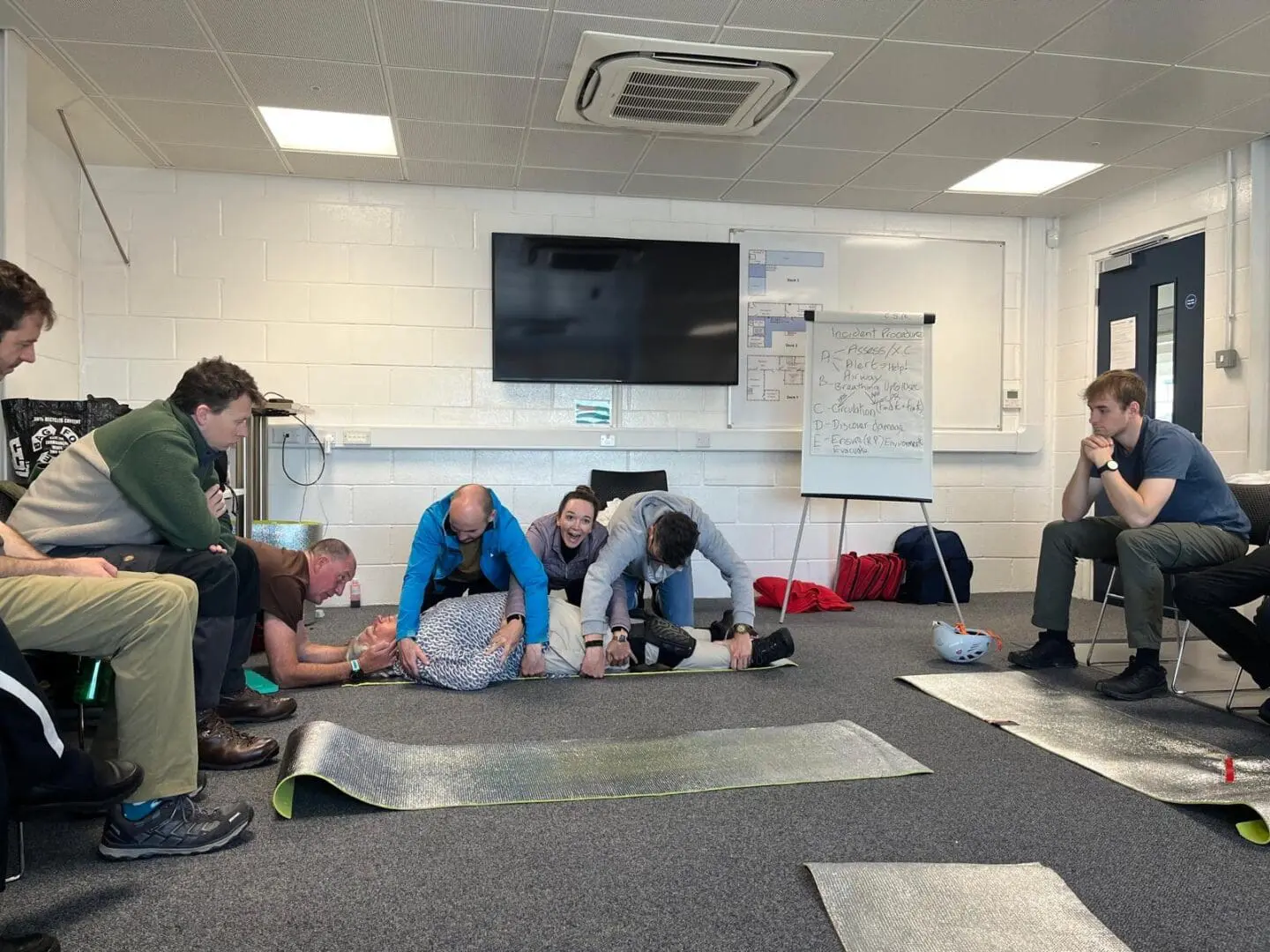
As a wilderness first aid trainer, I’ve delivered courses in all sorts of wild and remote locations — from Highland forests to Kenyan savannahs. But in March 2025, I found myself somewhere a little different: the docks of Dover. I’d been invited by Noble Caledonia to run a bespoke wilderness first aid course for their Zodiac drivers and naturalist guides — the very people who make expedition cruises safe, informative, and unforgettable.
This wasn’t your standard first aid course. These guides work in some of the most extreme environments on Earth — Arctic pack ice, Antarctic swell, tropical snorkel sites — and when things go wrong, they’re often the first on the scene. My job? To help them prepare for emergencies they hope never to face.
The Need for Specialised Training
Expedition cruising is booming, and with it comes a greater focus on safety. Zodiac drivers in particular have enormous responsibility — not just for navigating remote and often challenging waters, but for managing landings, assisting guests, and responding instantly when someone is hurt, cold, unconscious, or in the water.
The team in Dover were a mix of returning expedition staff and newcomers. What they all shared was a deep commitment to doing the job right. They weren’t there for a certificate — they were there to learn how to save lives.
A Course Built for the Real World
The training I delivered was completely tailored to their roles. We didn’t waste time with content that wouldn’t apply. Instead, we focused on the kind of incidents that can — and occasionally do — happen in expedition settings:
- Use of VHF radios for emergencies We started with solid communication training. In a remote emergency, clarity over the radio can save minutes — and minutes matter. We practised structured VHF emergency messages and liaising clearly with the bridge, the ship’s doctor, and other Zodiacs in the water.
- Drowning and CPR protocols The guides and drivers needed a deep understanding of drowning physiology, delayed drowning symptoms, and how CPR is adjusted for cold environments. We ran scenarios involving unconscious casualties in water, resuscitation in the field, and what to expect in terms of outcomes and next steps.
- Cold shock and immersion hypothermia When someone falls into polar waters, the first threat isn’t hypothermia — it’s cold shock. We covered the physiological response, what to look for, how to manage it, and how to rewarm people safely and gradually. It’s a fine line between rescuing and doing harm if the process isn’t handled correctly.
- Catastrophic bleeding from propeller injuries This was a sobering but vital part of the course. In snorkelling operations or Zodiac transfers, propeller injuries can occur — and they can be fatal if not treated swiftly. We practised catastrophic bleed control using haemostatic dressings, tourniquets, and direct pressure techniques, all while floating kit, guests, and communication challenges were thrown into the mix.
Conversations That Matter
What made this course different wasn’t just the drills — it was the discussions. We talked through real-life incidents from the expedition world, exploring what went well and where things might have been done differently. The guides shared experiences that were raw, honest, and invaluable to each other.
We also spent time discussing liaison with the ship’s doctor. On some ships, there’s an experienced medical officer on board; on others, there may be limited cover. Either way, guides often need to stabilise casualties and relay accurate information. We worked on how to present vital signs, describe injuries, and make decisions around evacuations or onboard care.
Joined-Up Learning: On Land and in the Water
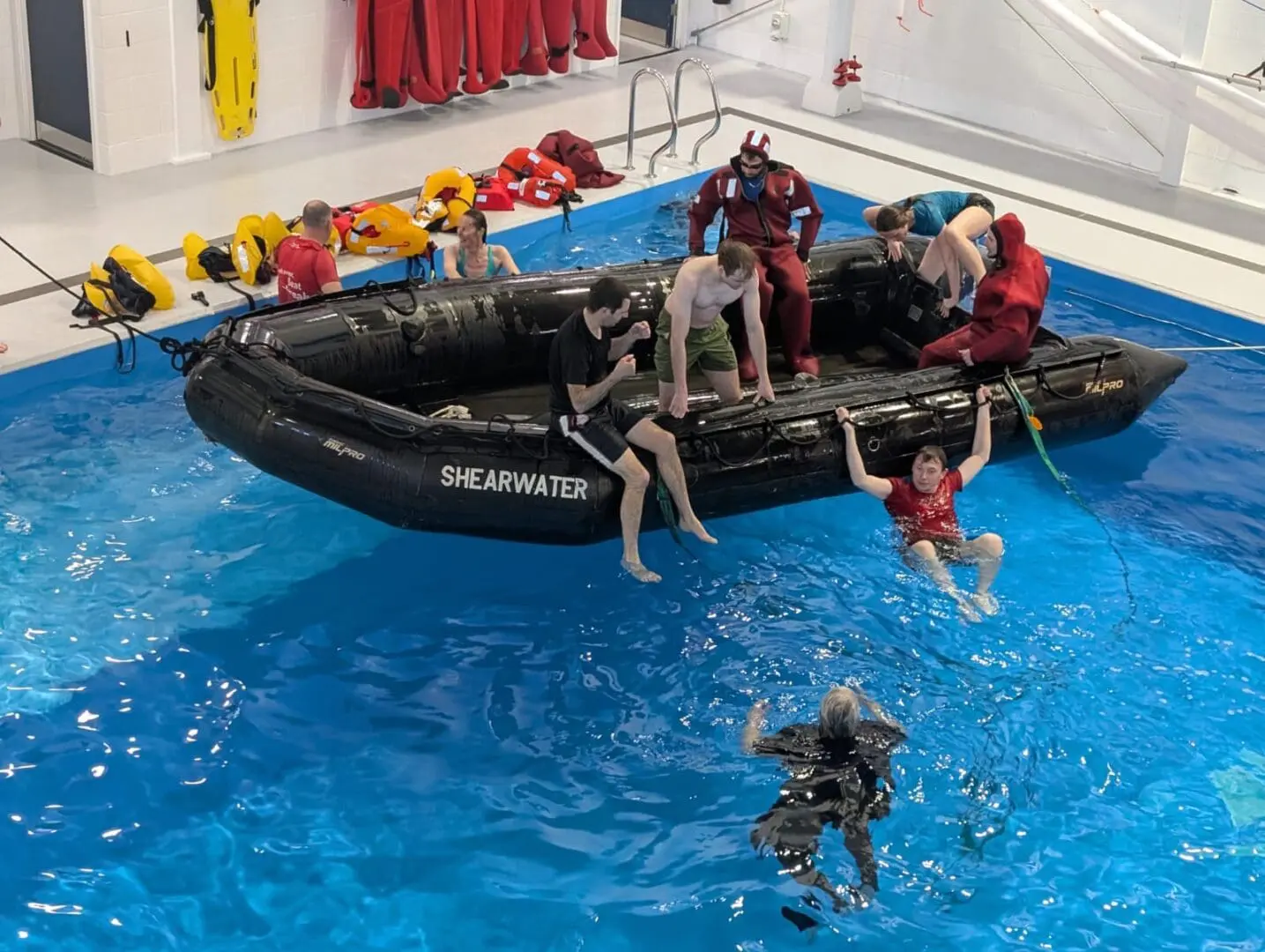
The best part? This training was delivered alongside Noble Caledonia’s Zodiac driver rescue training. While I led the medical side, their instructors were running in-water drills for man overboard recovery, capsize scenarios, and person-under-Zodiac rescues.
That gave us a unique opportunity to blend the two. One minute the team was flipping a boat and pulling a casualty from the water — the next, we were drying off and assessing them for shock, hypoxia, or spinal injury. It made everything real, seamless, and immediately applicable.
More Than a Course — A Commitment
By the end of the training, I was inspired by the team’s professionalism. These weren’t just boat handlers or wildlife experts. They were potential lifesavers, taking their roles seriously, asking the right questions, and thinking ahead to real-world situations.
This is exactly the kind of training I believe every expedition guide and Zodiac driver should have. Not just because it could save a life, but because it builds the confidence to operate safely, respond calmly, and be a truly dependable part of the expedition team.
If you’re an expedition cruise company looking to strengthen your onboard safety, or a guide preparing for your next contract, get in touch with us at First Aid Training Co-operative. We can deliver first aid to zodiac drivers. We build bespoke courses that meet the demands of remote, risky, and real-world guiding.
And for more insight into expedition life — from wildlife encounters to Zodiac driving in the polar south — check out the other blogs here on Wee Wild Adventures. This is where the wild things are. Let’s keep them safe.