

Safeguarding children and young people is a top priority for anyone working with them. In primary schools, outdoor settings and community groups, understanding how to protect and support young people is crucial. This blog will explore the intersection of safeguarding and mental health, particularly for educators, outdoor instructors, scout and guide leaders and forest school practitioners. It will also address the importance of mental health first aid in these contexts.
Understanding Safeguarding
Safeguarding refers to the measures taken to protect children from harm, abuse and neglect. In the UK, safeguarding is legally mandated for all organisations working with children. It ensures that young people are safe and well cared for, both physically and emotionally.
For children under 16 and vulnerable adults, safeguarding is particularly important. They are vulnerable and often unable to articulate their needs or experiences. This vulnerability requires adults to be vigilant and proactive in identifying signs of distress or potential harm.
Mental Health and Its Implications
Mental health is integral to safeguarding. Mental health issues can arise from various factors, including trauma, family problems and peer pressure. Children with mental health challenges may show signs of distress such as anxiety, withdrawal or changes in behaviour.
As a Mental Health First Responder, recognising these signs is essential. It is also vital to understand how to respond effectively when a child discloses information about self-harm or suicidal thoughts.
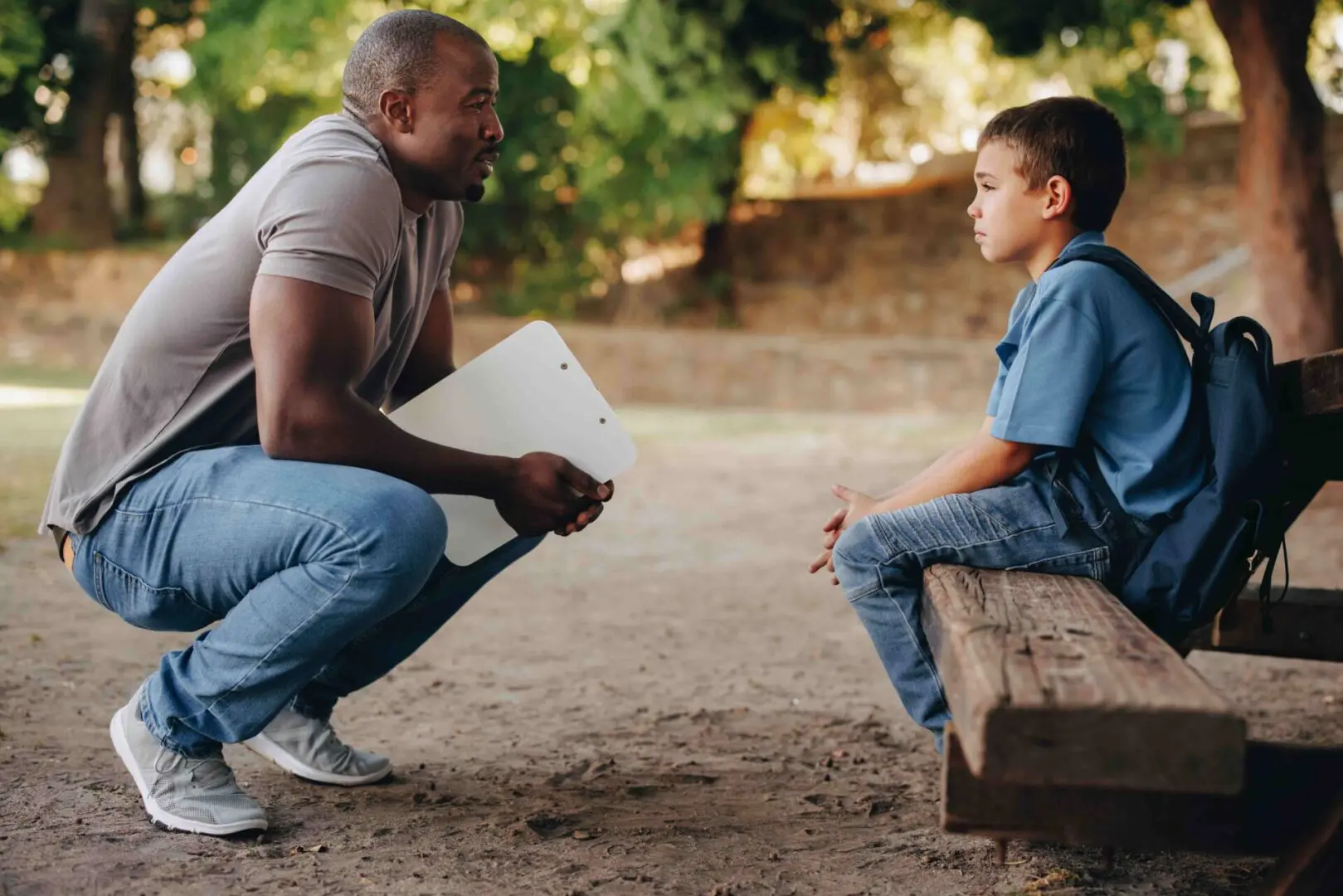
Signs of Distress
Educators and leaders should be aware of several warning signs that a child may be struggling with their mental health:
Behavioural Changes: Sudden changes in behaviour, such as becoming withdrawn or aggressive, can indicate distress.
Academic Decline: A drop in academic performance may signal underlying issues.
Physical Signs: Evidence of self-harm, such as cuts or bruises, should be taken seriously.
Disclosures: If a child openly discusses feelings of hopelessness or mentions self-harm or suicide, immediate attention is required.
Responding to Disclosures
When a child discloses information about self-harm or suicidal thoughts, it is crucial to respond appropriately:
- Stay Calm: Maintain a calm demeanour to help the child feel safe and supported.
- Listen Actively: Give the child your full attention. Show empathy and validate their feelings without judgment.
- Ask Open-Ended Questions: Encourage them to share more by asking questions like, “Can you tell me more about how you feel?”
- Reassure Them: Let the child know that they are not alone and that help is available.
- Report Concerns: Follow your organisation’s safeguarding policy. Inform the designated safeguarding lead (DSL) or appropriate authority to ensure the child receives the help they need.
Immediate Actions to Take After a Disclosure
Once a disclosure has been made, certain immediate actions should be followed:
- Contact Authorities: If there is a risk of immediate harm to the child, contacting the police or emergency services may be necessary.
- Inform Senior Staff: Report the disclosure to a senior staff member. This may include the DSL or another appropriate authority within the organisation.
- Follow Organisation Protocols: Each organization should have protocols for reporting disclosures. Familiarising yourself with these procedures is essential.
- Risk Assessment: If activities are ongoing, standard risk assessment procedures should be followed. If the situation poses a risk to the child or others, the activity should be stopped immediately.
Case Study: Jamie’s Journey
Jamie, a 10-year-old pupil, had been a lively participant in class. However, teachers noticed a sudden change in his behaviour. He became withdrawn and stopped participating in activities he once enjoyed. One day, during a break, Jamie confided in a teacher that he felt “sad all the time” and had started hurting himself.
The teacher, trained in mental health first aid, responded calmly. She listened attentively as Jamie shared his feelings. She assured him that it was okay to feel this way and that he would get help. The teacher followed the safeguarding protocol and reported the situation to the DSL. Jamie was referred to a school counsellor, where he received the support he needed.
In this case, the teacher’s prompt actions not only provided immediate support but also ensured that Jamie received the professional help necessary for recovery.
The Role of Mental Health First Responders
Mental Health First Responders play a vital role in supporting individuals with mental health issues. Here are several ways you can assist:
Create a Safe Environment: Ensure that the physical space is welcoming and free from potential hazards. Additionally, foster emotional safety by being open, non-judgmental, and attentive.
Practice Active Listening: Give them your full attention and listen without interrupting. This demonstrates that you value their experiences and feelings.
Provide Clear Information: Be transparent about the support options available. Explain what they can expect from the process and encourage them to ask questions.
Respect Choices: Empower them by involving them in decisions about their care. Offer options and respect their autonomy in choosing what feels right for them.
Encourage Self-Advocacy: Help them understand their rights and encourage them to speak up about their needs and preferences.
Creating a Safe Environment
Creating a safe and supportive environment is key to effective safeguarding. Here are some strategies to foster safety and well-being:
Promote Open Communication: Encourage children to express their feelings and concerns without fear of judgment.
Implement Clear Policies: Establish and communicate clear safeguarding and mental health policies within your organisation.
Engage Parents and Caregivers: Involve families in discussions about mental health and safeguarding. Provide resources for parents to support their children.
Conclusion – Safeguarding and mental health
Safeguarding and mental health are intertwined in educational and outdoor settings. By understanding the signs of distress and knowing how to respond, educators, instructors and leaders can make a significant difference in the lives of children. Mental Health First Responders play a crucial role in this process. They help create supportive environments and ensure that children receive the help they need.
By prioritising safeguarding and mental health, we can foster resilience and well-being in our children. Remember, early intervention and support can lead to positive outcomes. If you notice signs of distress in a child, act promptly and compassionately.
Want to learn more about Mental Health First Aid?
The First Aid Training Co-operative runs a suite of private first aid courses that can be delivered at your choice of venue, at a time and date to suit you. We’ll come to you and tailor your course to suit your specific situation, based on one of the core course types that we have in our portfolio. We now have a range of courses available for those looking to become Mental Health First Responders in the workplace, raise awareness of mental health amongst their staff plus specialist mental health training for outdoor professionals. Check out our mental health first aid course suite.