
This blog covers the key aspects of self-harm, including the types of self-harm, who is affected, and what can be done to help. As a Mental Health First Responder, it’s important to recognise the signs, offer empathetic support and encourage individuals to seek professional help.
Self-harm is a behaviour not an illness. It is used by people to cope with distress or to communicate that they are distressed. Through open conversations, therapy, and community support, people struggling with self-harm can find healthier coping mechanisms and work towards recovery.
Self-harm is often misunderstood and stigmatised. It is a behaviour in which an individual deliberately injures their own body to cope with emotional distress. The act of self-harming can take various forms and may be difficult to identify. Understanding the signs, types, and treatment options for self-harm, as well as how to respond as a Mental Health First Responder, is critical in offering the right support. This blog will explore the types of self-harm, who is typically affected, how those individuals feel and what you can do as a Mental Health First Responder.
Statistics on Self-Harm
According to the World Health Organization (WHO), around 16% of adolescents globally have engaged in self-harm.
In the UK, self-harm rates among young people have increased by 68% over the past decade.
Women are more likely to self-harm than men, with 60–70% of self-harm cases involving females.
LGBTQ+ youth are at a higher risk, with 25–35% of them engaging in self-harm, compared to 10–15% of their heterosexual peers.
Types of Self-Harm
Self-harm comes in different forms, but the most common methods include:
Cutting: Individuals may use sharp objects like razors, scissors or knives to make cuts on their skin, often on areas like the arms, legs, or stomach. Cutting is the most common form of self-harm.
Burning: Some people intentionally burn themselves with cigarettes, lighters or matches. The burns can range from superficial to deep, depending on the severity.
Hitting or Banging: Repeatedly hitting oneself, often in the head or chest, can be a method of self-harm. Some people may also bang their heads against hard surfaces.
Scratching or Picking Skin: Scratching or picking at the skin to the point of bleeding can also be a form of self-harm. This can result in scarring and infections.
Hair Pulling: Pulling out hair, either from the scalp or other parts of the body, is another way people harm themselves.
Poisoning or Overdosing: Some individuals may ingest harmful substances or take medication in excess as a form of self-harm.
These behaviours often serve as coping mechanisms for emotional pain, stress or trauma. It’s important to note that self-harm is not typically a suicide attempt; rather, it’s a way for individuals to release overwhelming feelings or regain a sense of control over their emotions.
Who Is Most Affected by Self-Harm?
Self-harm can affect anyone, regardless of age, sex or background. However, certain groups are more at risk:
Adolescents and Young Adults: Self-harm is most prevalent among teenagers and young adults. According to the National Health Service (NHS), around 10–15% of young people engage in self-harming behaviours at some point during adolescence.
Individuals with Mental Health Disorders: People with conditions such as depression, anxiety, borderline personality disorder (BPD) or eating disorders are more likely to self-harm. For example, studies show that around 50–80% of people with BPD engage in self-injury.
Survivors of Trauma or Abuse: Those who have experienced traumatic events, such as physical or sexual abuse, may use self-harm as a coping mechanism to manage their emotional pain.
LGBTQ+ Community: LGBTQ+ individuals, particularly those facing discrimination or struggling with their identity, are at a higher risk of self-harm. Research suggests that 25–35% of LGBTQ+ youth have engaged in self-harming behaviours.
People with Low Self-Esteem: -harm is often linked to feelings of worthlessness, low self-esteem or perfectionism. Individuals who are highly critical of themselves may turn to self-injury to release their emotional frustration.
How Does the Casualty Feel and Why Do They Feel Like That?
For individuals who self-harm, the act of harming provides a temporary release from overwhelming emotions. However, the relief is often short-lived and the emotional pain returns. Here’s how a person who self-harms might feel:
Overwhelmed by Emotions: Many people who self-harm describe feeling emotionally overloaded. They may not have the skills to express or manage their feelings in a healthy way, leading to a sense of desperation.
Numb or Disconnected: Some individuals report feeling emotionally numb or detached from reality. Self-harm provides a physical sensation that allows them to feel something tangible, which can make them feel more alive or present.
Guilt and Shame: After self-harming, individuals often feel guilty or ashamed of their actions. They may try to hide their injuries from others, fearing judgment or rejection. This shame can create a vicious cycle, where the person continues to self-harm in order to cope with these negative emotions.
Loss of Control: Self-harm can be a way for individuals to regain a sense of control over their emotions or situations in their lives. When life feels chaotic, self-injury offers a way to exert control, even if it’s harmful.
Relief and Release: For some, the physical pain of self-harm distracts from emotional pain. The act itself can produce a temporary sense of relief, as it redirects their focus to the injury rather than the emotional distress.
What Do You SEE as a Mental Health First Responder?
As a Mental Health First Responder, you may observe certain behaviours or physical signs that indicate someone is self-harming:
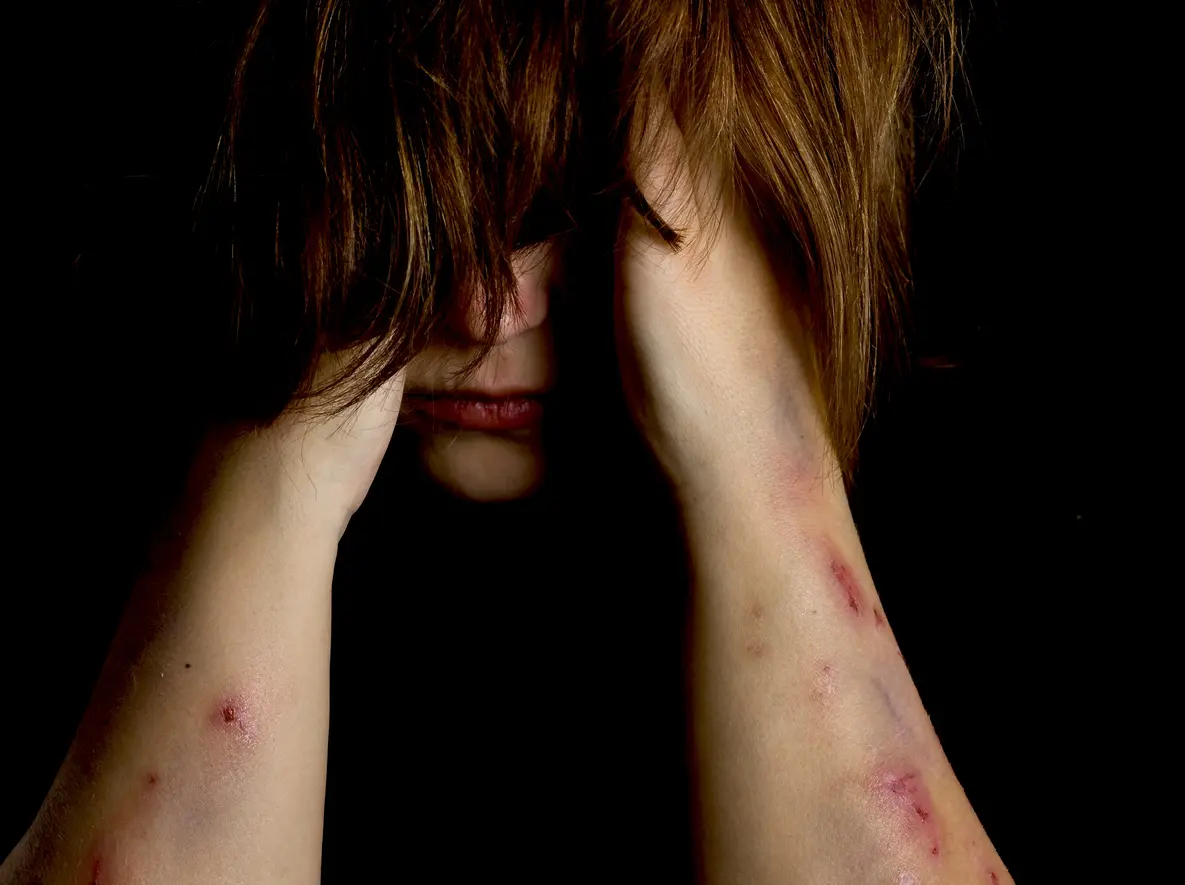
- Visible Injuries: You might notice cuts, burns, or bruises on parts of the body that the person tries to hide, such as their arms, legs, or stomach. They may wear long sleeves or trousers, even in hot weather, to cover up the injuries.
- Mood Swings or Emotional Distress: The individual might seem irritable, withdrawn or overly emotional. Their mood may shift quickly and they might have difficulty expressing what they’re feeling.
- Frequent Excuses for Injuries: If someone frequently has unexplained injuries and provides vague or inconsistent reasons for them, this could be a sign of self-harm.
- Isolation: People who self-harm often withdraw from friends and family. They may avoid social situations where their injuries could be noticed or judged.
- Clues in Conversations: If the individual frequently talks about feeling worthless, overwhelmed, or disconnected, these may be emotional indicators of self-harm.
What Can You DO as a Mental Health First Responder?
As a Mental Health First Responder, your role is to offer non-judgmental support and guide the person toward professional help. Here are some key steps to take:
- Listen Without Judgment: Create a safe space for the person to talk. Let them express their feelings without fear of being judged. Reassure them that you’re there to listen and that their feelings are valid.
- Acknowledge Their Pain: Validate their emotions and acknowledge that self-harm is a coping mechanism, even if it’s not a healthy one. Let them know that it’s okay to feel the way they do, but that there are safer ways to cope.
- Encourage Them to Seek Professional Help: Gently suggest that they seek professional support, such as therapy or counselling. Cognitive Behavioural Therapy (CBT) and Dialectical Behaviour Therapy (DBT) are commonly used to help individuals manage self-harming behaviours.
- Offer Resources: Provide them with contact information for helplines, local mental health services or online support groups. Make sure they know that help is available, even if they’re not ready to seek it immediately.
- Follow Up: Stay in touch with the person after your initial conversation. Consistent follow-up shows that you care and that they’re not alone in this journey.

Treatment options for Self-Harm
There are several effective treatments for self-harm, many of which focus on teaching individuals healthier coping mechanisms. These include:
Cognitive Behavioural Therapy (CBT): CBT helps individuals identify and change negative thought patterns that contribute to self-harm. It also teaches problem-solving skills and emotional regulation.
Dialectical Behaviour Therapy (DBT): DBT, often used for individuals with BPD, focuses on teaching mindfulness, emotional regulation, distress tolerance and interpersonal effectiveness. It helps people develop healthier ways to cope with emotional pain.
Medication: While there is no specific medication for self-harm, antidepressants or anti-anxiety medications may be prescribed to address underlying mental health conditions like depression or anxiety.
Support Groups: Support groups offer a safe environment for individuals to share their experiences and learn from others who are going through similar struggles. Group therapy can be particularly helpful in reducing feelings of isolation.
Want to learn more about Mental Health First Aid?
The First Aid Training Co-operative runs a suite of private first aid courses that can be delivered at your choice of venue, at a time and date to suit you. We’ll come to you and tailor your course to suit your specific situation, based on one of the core course types that we have in our portfolio. We now have a range of courses available for those looking to become Mental Health First Responders in the workplace, raise awareness of mental health amongst their staff plus specialist mental health training for outdoor professionals. Check out our mental health first aid course suite.