
From choking to serious burns and the unexpected asthma attack or poisoning, the hospitality sector has its own challenges… and its own risks. From small B&Bs to large hotel chains, first aid is an essential (and legal) requirement for all hospitality businesses. The hospitality sector is the third largest employer in the UK. it represents 10% of employment, 6% of businesses and 5% of GDP. That’s a lot of people to watch out for, staff and clientele alike!
Here are our Top 10 First Aid incidents in the hospitality Sector:
1. Choking incidents in your restaurant or breakfast area
Choking is one of the most common first aid incidents in hospitality. It is a serious condition as it is effectively blocking their airway. The casualty will be conscious and struggling to breath but may become unconscious and stop breathing. quick and confident treatment is required.
How do you help someone that is choking?
- Ask if they need help
- Ask if they can cough or speak. If so, encourage them to cough and try to eject the blockage themselves.
- If this doesn’t work, or they can’t cough or speak, perform 5 firm backslaps – check after each one if the blockage has cleared.
- Phone 999/112 for help
- If this doesn’t work, perform 5 abdominal thrusts – check after each one to see if the blockage has cleared.
- Repeat back slaps and abdominal thrusts until the blockage clears.
Be alert to the fact that if the blockage does not clear, your casualty may collapse and you may need to start CPR.
Anyone who has had abdominal thrusts should go to hospital for checks as there is a risk of other internal injuries as a result of the procedure.
Watch our video on dealing with a choking adult here. Watch our video on dealing with choking in children and infants here
2. Burns and Scalds in your kitchen or restaurant
Working in the industry’s kitchens isn’t just a job under pressure but it comes with its own set of injuries. From small scalds to major burns usually involving hot pans and plates or large quantities of boiling liquids, burns and scalds are one of the most common hospitality injuries and need to be dealt with promptly and effectively.
What is the difference between a minor and a major burn?
A minor burn is reddening of the skin and doesn’t cover more than 5% of the body’s skin surface. As a guide, the palm of your hand is 1% of your skin surface.
A major burn is where the skin is broken revealing fat, muscle or bone or it is a burn to the face, hands or genitals. A minor burn becomes a major burn if it covers more than 5% of the skin surface area.
Treating minor burns
Ensure the area is safe for you to treat the casualty. Remove any jewellery if the burn is on the hand or arm. Treat the burn area by flushing it with tepid running water for at least 20 minutes. This removes the eat and prevents further burning, scarring and damage. After flushing, apply a non adherent dressing to the injury. This ensures that it will stay clean and be protected while the skin recovers. If in doubt, seek medical help.
Treating more serious, major burns
A burn that is sufficiently serious to require an ambulance requires the same treatment as above, although in this case irrigation and ensuring that the casualty’s airway is safe is far more important than the dressing. If taking the casualty to hospital, towels or clothing soaked in cold water can be used to continuously cool the burn.
Be alert to shock – a large volume of fluid can be lost due to burns causing further complications including shock. If your casualty becomes cold, clammy, anxious and their pule and heart rate are faster, call 999/112 immediately. Keep them warm and reassured. If they are conscious, lay them on their back and raise their legs.
Read our full blog on burns here.
3. Mental Health in hospitality
Mental health problems are one of the main causes of the overall disease burden worldwide. Major depression is thought to be the second leading cause of disability worldwide and a major contributor to the burden of suicide and ischemic heart disease. It is estimated that 1 in 6 people in the past week experienced a common mental health problem.
In a highly stressed, busy and complex business such as hotels, B&Bs and restaurants, mental illness is on the increase. The Covid-19 crisis triggered the closure of many businesses, thousands of jobs have been lost or furloughed and countless careers are hanging in the balance. This also created a period of great uncertainty and anxiety. For many in hospitality, it isn’t just a career, it’s a way of life.
Knowing some basic Mental Health First Aid means you can help someone by recognising the early signs of mental ill health. This means you can support them and direct them to further help when they need it. It also helps remove the mental health stigma for everyone involved. We provide a 2 day Mental Health First Aid course that trains you to understand, recognise, support and guide someone struggling with mental health, Find out more about our Mental Health First Aid course here. It’s not a counselling course but more of an awareness raising and personal skills type of course. Skills and knowledge that means you can help until professional help can be sought.
Hospitality Action is a charity that deals specifically with mental health support and issues in the hospitality sector. Their website is full of useful resources and advice. Visit their website here.
4. Poisoning – its sources and its effects
There are lots of ways that poisons can impact on your business – not just the obvious food poisoning. Poisons affect us in different ways depending on the dose, toxicity and method of entering the body.
Breathing in a poison will affect the nose, mouth, airway and lungs and may then be transferred elsewhere including the heart, brain and other vital organs. Think smoke in your kitchen or carbon monoxide in bedrooms.
Swallowing a poison will impact on the digestive tract including the mouth, oesophagus, stomach and bowel. Swallowing may often result in the casualty vomiting as their body tries to eject the poison from their system. This can cause further damage as it travels back up to the mouth to be ejected. Think food poisoning, alcohol poisoning, allergies and anaphylaxisInjecting a poison will enter the bloodstream and effect the heart and all other organs more quickly so signs and symptoms will often be more obvious. Injecting is not always deliberate as it could be from a broken glass, a discarded syringe, a sting from a poisonous plant or venom from an insect. Think bin areas and garden plants and displays.
Absorbing a poison through your skin will usually show a local reaction on the skin. However, if it’s a large chemical in the atmosphere, this can quickly have an impact on a person’s health as the skin is the largest organ in the body. It is also a risk to you if you then enter the ‘poisoned atmosphere’. Think swimming pool plant rooms.
What are the most common poisoning incidents in the hospitality industry?
a. Food poisoning – most often caused by eating food that is not cooked correctly, out of date or contaminated. Treatment if not severe is to rest, drink plenty of fluids and take pain relief if appropriate. If in doubt, or if symptoms worsen, seek medical help.
b. Alcohol poisoning – over indulgence over a period of time (binge drinking) can lead to vomiting, confusion, hypothermia, brain damage and death. Treatment for alcohol poisoning is to phone 999 and try to keep the casualty awake and sitting up. Keep them warm and give them some water if they can drink it. If they become unconscious, put them in the recovery position. Do not leave them alone or try and ‘sober them up’ with coffee or food as this may cause more damage. Read our in depth blog on alcohol poisoning here.
With any poisoning episode, do not induce vomiting, do not give milk and do not leave the person alone. Seek medical help.
5. Anaphylaxis awareness for hospitality businesses
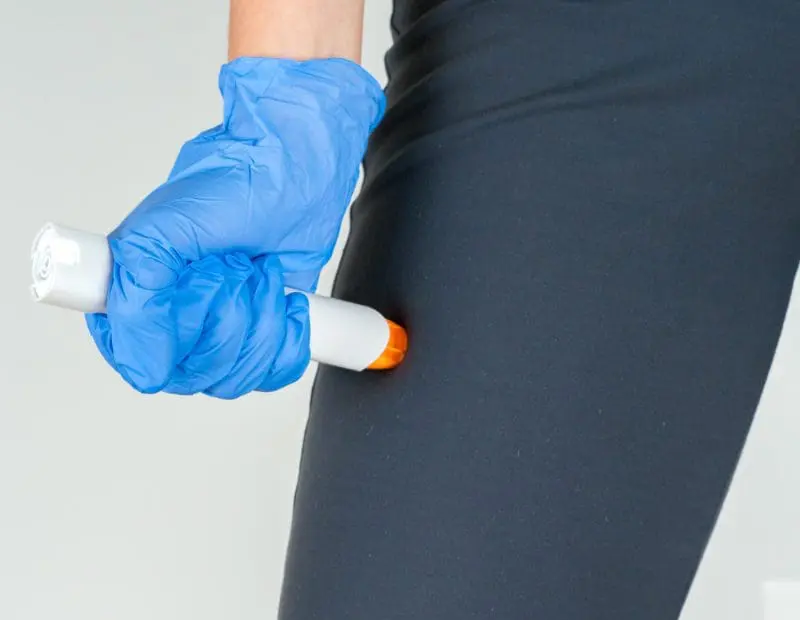
With many adults and around 40% of children now suffering from allergies, the ability to understand allergic conditions and deal with sudden or severe symptoms is fast becoming an essential part of every day life. Ever had somebody with a shellfish or nut allergy in your restaurant? Would you know what to do if one of your guests showing signs and symptoms of an anaphylactic shock?Signs and symptoms may include swelling lips and or tongue, difficulty breathing or a sudden skin rash. It is imperative to act quickly.
Most anaphylaxis sufferers carry 2 Adrenalin Auto Injectors (AAIs), also called “Epi-pens”, and they self administer them. Until we see you on one of our courses, watch this video to learn more about auto injector pens. These auto injectors are used on the thighs and can be injected through clothing and the area massaged afterwards. If there is no relief after a few minutes, they can use their second epi-pen but it is recommended to use the other leg.
Be prepared to phone 999/112. Be guided by the casualty or their family in the case of children as to when this needs to be done. Some folk’s reactions are not life threatening but it’s best to ask. If in doubt, phone for medical assistance.
6. Slips, trips and falls in hotels and restaurants.
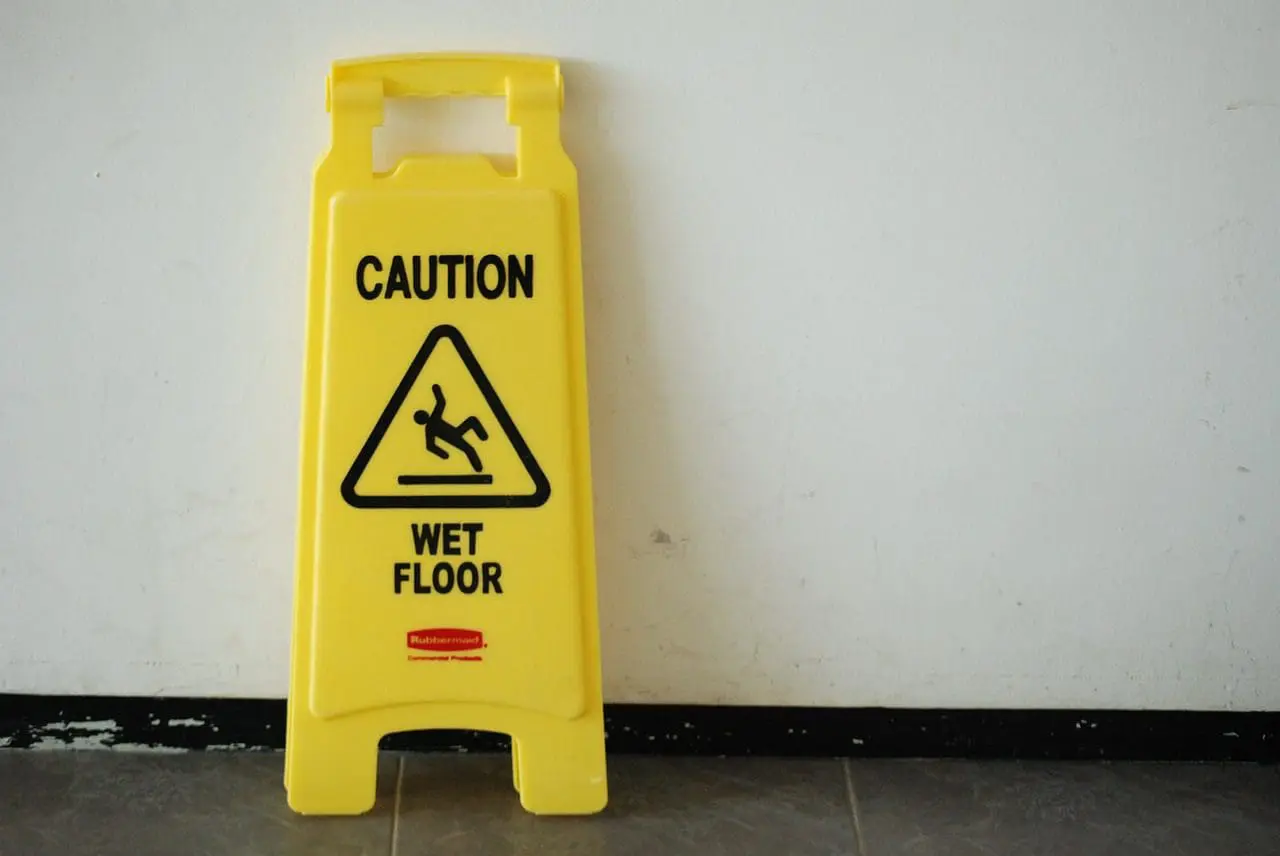
Minor injuries from slip, trip or falls are one of the most common injuries in hospitality for staff and visitors alike. Visitors to your venue are in unfamiliar territory – unaware of those subtle changes in floor heights, loose carpets and unsure of their footing in poorly lit corridors. Staff are also at risk from wet, slippery floors or trip hazards in cluttered storerooms or where corridors are blocked with domestic trolleys.
Someone who as fallen and injured themselves will usually hold their injured limb in the most comfortable and pain-less position. The injured limb may be sprained or broken. Sometimes it’s not obvious which level of injury it is.
For broken bones, support their limb with a bandage or sling and get them urgent medical attention. Watch our video on how to put a supporting sling on an arm or shoulder injury.
For sprains and strains, get them to sit down and rest. Apply ice or a cold compress to the injured area, apply a comfortable compression bandage and raise the limb. Monitor their injury and seek medical assistance if they cannot use the limb. Ice should be applied on and off for a few days. Compression bandages should be removed overnight.
Assessing and injured ankle can be done with a SALTAPS check which is a sport injury assessment technique. Watch our SALTAPS video here.
7. Asthma
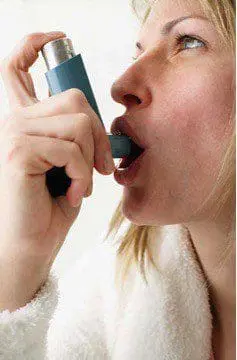
Asthma is a very common illness among staff or clientele. It’s good to know the basics and know how to help. Asthma is a breathing difficulty usually set off by a trigger. Triggers include foodstuffs, chemicals (including perfumes etc), exercise, temperature changes (outdoors to indoors or vice versa), stress and many others. Most asthmatics area ware of their triggers and try to avoid them but his is not always possible in unfamiliar surroundings. They should be carrying their blue emergency inhaler with them at all times. This usually relieves their symptoms.
What are the signs and symptoms of an asthma attack?
- The casualty’s blue reliever inhaler isn’t working – or they need to use it much more over a 4 hour period
- They wheeze or cough a lot or have a very tight chest
- They are breathless and find it difficult to walk or talk, often not able to finish a sentence without taking a breath
- Their breathing rate increases and they feel like they can’t get a breath into their lungs properly
What is the best thing to do when someone is having an asthma attack?
If someone is having an asthma attack, you should get them to:
- Sit upright
- Get away from the trigger
- Stay calm
- Use their inhaler
- Take long, deep breaths. This helps to slow down their breathing and prevent hyperventilation (Hyperventilation makes the condition worsen more quickly)
- Seek emergency medical help if their inhalers do not help
For more information on this topic, check out our detailed Asthma blog including an instructional video here:
8. Cuts and bleeds
Whether it is a kitchen injury or a as the result of a fall, bleeds are treated in the same manner using the acronym C.A.R.E.:
C – Check and clean the wound with a medi-wipe or clean water
A – Apply pressure with their hand and then with a medical dressing / bandage.
R – Raise the limb above the heart.
E – Ensure the treatment is working.
If there is an impaled object – do not remove it – cover it lightly with a bandage and then build up around it with other rolled bandages so they are higher than the object. Then wind the original bandage around the limb to secure the whole ‘package’. Avoid pressing down on the object. Watch our video on how to do this.
If there is a severed digit – clean and check the injured ‘stump’ then cover it to prevent infection. Double bag the severed digit part in side 2 surgical gloves, plastic bags or similar and place the package in a bottle or container with cool water (not ice) to take to the hospital with the casualty. Watch our video on dealing with minor amputations here.
9. Diabetes awareness in hospitality settings
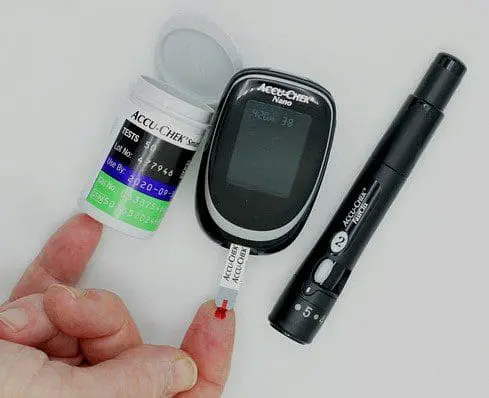
Diabetes can be a very complex topic but, as always, it’s good to know the basics about it before you come across it. Diabetes is the inability of the body to make insulin. Insulin allows blood glucose (sugars) to enter the cells and fuel our bodies and especially our brains. Diabetic monitor and manually adjust the level of insulin in their system several times a day depending on what they’re doing and what they’re eating. This is important to understand as large meals over several hours in restaurants, alcohol and party food can all play havoc with their sugar levels. There are several types of diabetes, mainly Type 1 and Type 2 and they have different rates of presentation of symptoms and often different medical treatments. Being aware of the basics, however, is the first step the helping someone with a diabetic episode.
The table below summarises the signs and symptoms of diabetic episodes and what needs to be done.
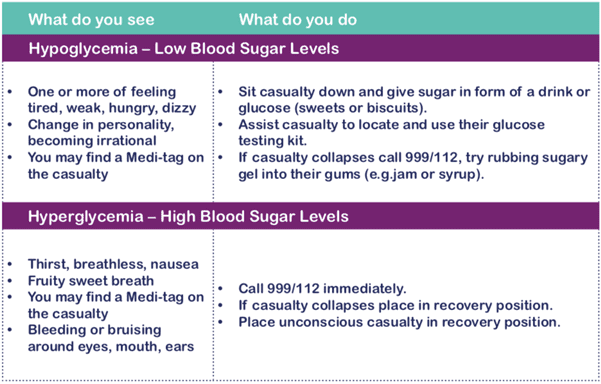
For more information on diabetes types, symptoms and first aid, read our in depth diabetes blog.
10. Heart Attack
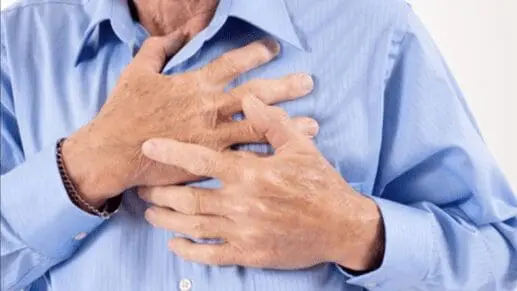
Many folk arrive at your venue to celebrate, relax or both. Often the lead up time to them arriving has been a stressful time and sometimes people ignore their own health warning signs. Knowing the signs and symptoms of heart attack and other chest complaints will help you to help them.
What are the symptoms of a heart attack?
The casualty may show some or all of the following:
- Tight pain the the chest
- Pain moving down the jaw, arms and or neck
- Shortness of breath and feeling weak and fatigued
- An overwhelming ‘ sense of impending doom’ or anxiety
- Feeling lightheaded or dizzy, sometimes actually fainting
- Nausea and vomiting
What can you do if you think someone is having a heart attack?

- Site casualty on the floor and leaning back against a wall and raise their knees. this is the ‘Lazy W’ position and helps relieve pressure on the heart;
- Phone 999/112 immediately;
- If they not allergic to aspirin, give them one tablet to chew then put under their tongue to absorb. (You are now allowed to have aspirin in your first aid kit)
- Give them lots of reassurance whilst you’re waiting for the ambulance;
- If they collapse and are no longer breathing, perform CPR and get a defibrillator. Watch how to do CPR and use a Defibrillator in this video.
And finally…get confident – get trained!
There’s a lot to remember about running a hospitality business. That’s why we’ve created a specific first aid course for your sector. We want to help you to respond effectively and promptly to any incident without the worry, stress or lack of confidence. Just knowing that you and your team are well trained and able to respond to any first aid situation is reassuring and lets you get on with running your business.
Our Emergency First Aid at Work + Hospitality course covers all your legal requirements for first aid and goes into more depth with incidents that you might find in your kitchens, restaurant and accommodation. It is a one day course so your staff are not away from their duties for long. We can come to you to deliver in your venue too.
Visit our website for more information on our Hospitality First Aid course.