
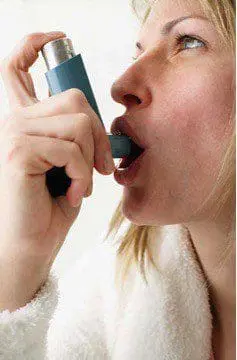
Around 1200 people die every year in the UK as a result of asthma. In this blog we will explain what asthma is, how to recognise the signs and symptoms and how it can be treated in a first aid setting. Asthma can’t be cured, but its symptoms can be controlled. It’s important to note that asthma is also under-diagnosed so many people won’t know they have the condition.
Asthmatics should always carry a blue ‘reliever’ inhaler with them. It should be kept nearby ready to use and should be in date.
Understanding and helping someone with asthma is a key skill for first aiders.
What is Asthma?
Asthma is a condition in which your airways narrow due to inflammation and the production of extra mucus as a result, causing coughing, wheezing and shortness of breath.
Most people have specific triggers that set off their asthma. For some people, asthma is a minor nuisance and quick relief is got by using their inhaler. For other
How do asthma triggers bring on an attack?
Asthma sufferers have sensitive airways that react to a trigger. When they encounter a trigger, the airways react in three ways:
- The muscles around the walls of the airways tighten so that the airways become narrower.
- The lining of the airways becomes inflamed and starts to swell.
- Sticky mucus can sometimes build up, which can narrow the airways around the lungs. The tiny airways in the lungs are also blocked by this mucus making the lungs very inefficient and the casualty struggles to get them to work properly.
These reactions in the airways make it difficult to breathe and can lead to an asthma attack.
Examples of Asthma Triggers:
- Heavy exercise or physical exertion
- Cold, damp, dusty or smoky environments
- Stress or anxiety, especially for prolonged periods
- Airborne substances, such as pollen, dust mites, mould spores or pet hairs
- Respiratory infections, such as the common cold or flu
- Work specific triggers may include chemicals in spray paint, fumes from soldering, flour or grain dust and damp environments.
What are signs and symptoms of an asthma attack?
Many people with asthma self-manage by using their inhaler. However, their triggers may overwhelm their ability to manage the condition or a new trigger may impact on them leading to what we call an asthma attack.
The signs and symptoms of an asthma attack are:
- Their blue reliever inhaler isn’t working – or they need to use it much more over a 4 hour period
- They wheeze or cough a lot or have a very tight chest
- They are breathless and find it difficult to walk or talk, often not able to finish a sentence without taking another breath
- Their breathing rate increases and they feel like they can’t get a breath into their lungs properly or they have difficulty breathing out

First aid for someone having an asthma attack:
- Get them away from the trigger.
- Sit them in a comfortable upright position.
- Keep them calm – it can be a scary experience for them. Reassure them.
- Help them use their inhaler. You can see if the inhaler is helping within a few minutes.
- If this doesn’t help, or if they do not have their inhaler, seek emergency medical help. Phone 999.
- If the stop breathing, phone 999 and start CPR.
How long does an asthma attack last?
The duration of an asthma attack can vary, depending on what caused it and how long the airways have been inflamed. Mild episodes may last only a few minutes and can resolve spontaneously or may require use of the blue quick-acting reliever inhaler. More severe episodes can last for hours but should be recognised early and medical help sought quickly.
Monitoring asthma with a peak flow meter

Most asthmatics monitor their asthma using a peak flow meter. This lets them judge the function of their lungs as it measures the amount of air they can forcefully blow push out of their lungs. The numbers on the meter are usually correlated to their Asthma Action Plan. For example, if their ‘normal’ peak flow is 400 on the meter, they may have 300 as ‘time to see your GP’ and 200 as ‘go to hospital / seek urgent medial attention’.
Peak flow is assessed at their annual review and a ‘best’ figure is marked in their asthma action plan. By comparing this to their peak flow rate during an episode or attack, we can determine how mild or severe the asthma attack is along with oxygen levels and other signs.
Monitoring asthma with a pulse oximimeter
Some asthmatics and Outdoor First Aiders carry a Pulse oximeter. This is a small device that fits onto the finger and measures heart rate but also oxygen level in the blood. (It is also a feature on some smart watches.) A decreasing oxygen level in the blood is a good indicator of the worsening of an asthmatic episode or attack. Smart watches and pulse oximeters vary in their accuracy though and are best used to show a change in oxygen levels rather than an accurate record of it.

However, in an asthma attack, stress and anxiety may make the condition worse. If in doubt, phone 999 but this table is a guide to the changing signs and symptoms.
| Stage of severity | Breaths per minute | Oxygen level (measured with an oximeter) | Peak flow meter reading | Other signs and symptoms | What to do |
| ‘Normal’ | Less than 25 | More than 94% | Their ‘best’ achieved according to their asthma action plan | None – having a good day! | Nothing required |
| Mild | Less than 25 | More than 94% | 50-75% of their best peak flow (from their asthma plan card) | Able to speak a full sentence without stopping | Use inhaler |
| Severe | More than 25 | Less than 92% | 33-50% of their best peak flow | Increased heart rate, unable to speak in whole sentences | Use inhaler, monitor, reassure and phone 999/112 |
| Life threatening | More than 25 | Less than 92% | Less than 33% of their best peak flow | Increased heart rate, unable to speak in whole sentences, exhaustion, blue lips, silent chest | Phone 999/112 |
| Near fatal | Not visible | Slips into unconsciousness; blue lips | Phone 999/112, be prepared to do CPR |
Using an asthma inhaler and improvising a spacer:
For an explanation on how to use an inhaler in more detail in an emergency situation, you can refer to video below:
How to manage asthma:
There are several steps people can take to cut their risk of asthma triggers causing an asthma attack:
- Be alert to the potential triggers at different times of the year (pollen etc) or in different situations such as moving from warm indoor spaces to very cold outdoor spaces.
- Use a preventer inhaler regularly – A preventer inhaler is the non-blue inhaler that works away in the background to help inflammation and sensitivity in your airways. Taking it every day means there’s less chance of a reaction if they come into contact with any triggers.
- Write an Asthma action plan with a GP or Nurse – You can download an asthma action plan here. This will helps identify triggers and know what to do during an attack.
- Go an Asthma review each year – An ‘asthma review’ gives them and their GP or asthma nurse a chance to make sure their written asthma action plan is up to date. It also gives them the opportunity to ask more questions and learn how to spot the early signs of an attack or potential triggers at different times of the year.
- Check their doses – Make sure their medicine is at the right dose and that their inhalers are in date.
- Check their inhaler technique – A change of inhaler technique could help them manage their asthma better. They can discuss this at any time with their doctor or at their annual review. Different inhalers work better for different people. Sometimes, spacers or masks may help taking the dosage more effective as well as slow down their breathing rate.
Is asthma the same as COPD?
No. COPD is Chronic Obstructive Pulmonary Disease. People with COPD need to manage their breathing every day whereas asthmatics, although they take inhalers every day, only need to use their emergency inhalers when a trigger sets off an attack. COPD is progressive and irreversible and caused by damage to the lungs, most often by smoking or work related causes such as dust. It may also manifest as Chronic Bronchitis or Emphysema. First aid treatment is similar to asthma with the use of inhalers but there is often the need to get further medical help as the casualty may need additional medication, different treatment methods through nebulisers or oxygen masks to aid their breathing.
Frequently asked questions about first aid for asthma
Get them to site down and take their inhaler. Keep them calm and reassure them. Take up to 10 puffs of their inhaler. If there is no improvement, phone 999.
If they so not have their inhaler with them and a struggling to breathe effectively, phone 999 immediately.
Hold the inhaler up to the mouth and press the container whilst breathing in at the same time.
A spacer can be used for emergency use with the blue inhaler put into the end of the spacer. This makes it easier to get the medication in without the need for ‘press and inhale’ method of the inhaler on its own. Spacers are also used for taking a dose of their daily preventer inhaler medication.
If they stop breathing – phone 999 then start CPR
- If they are having an attack and do not have their inhaler with them
- If they are struggling to breathe and their inhaler isn’t improving the situation
- If they’ve never had an asthma attack before
- If they cannot talk or make any noise
- If they are obviously getting worse or getting exhausted
Get confident – get trained – and get a FREE digital first aid manual.
We cover asthma and other illnesses on our range of first aid courses. Our systematic approach to teaching first aid helps your learning and understanding of many illnesses and injuries. Practicing first aid techniques reinforces your learning too. Find our more about our full range of First Aid Courses here.
Every client on our courses receives a FREE Digital First Aid Manual relevant to the course they come on. We have first aid manuals for equestrian, first aid at work, sports, outdoors and paediatric sectors. You can view and buy our manuals in our online shop. In addition, we have our own YouTube channel with over 40 practical first aid videos.