First aid acronyms explained – the acronym CARE is used when talking about the management of blood loss discovered when carrying out a circulation check as part of the first aid incident procedure.
An acronym is a word or name formed as an abbreviation, created from the initial letters of a phrase or a word. The first aid world uses many acronyms to help us remember different treatments. In this series we have explained the meanings of the most common first aid acronyms to help you avoid confusion!
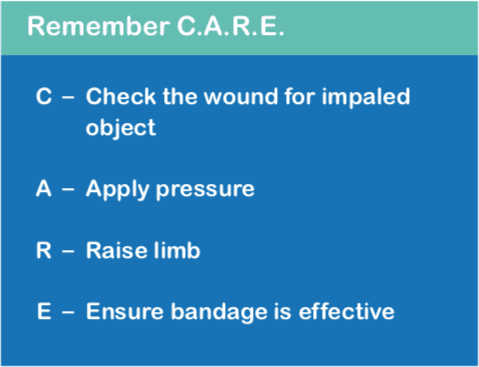
How do we deal with bleeds? We CARE for them.
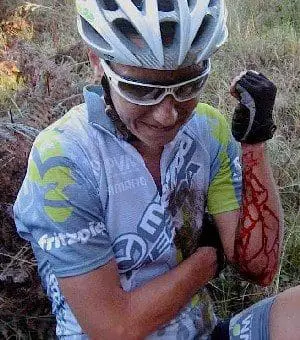
C – CHECK and clean the wound. Check the wound to check that there are no impaled objects or dirt in the wound. Do not remove large impaled objects as the wound will only bleed more. To clean the wound use clean water and irrigate the wound site. Clean any dirt, soil and debris off the surface of the skin before bandaging.
A – APPLY PRESSURE to the wound. This should be direct pressure unless there is an impaled object. The casualty can do this by pressing over their wound with their hand until a wound dressing is applied.
R – RAISE THE WOUNDED AREA above the level of the heart, this will reduce blood flow and allow clotting to begin more quickly. For leg injuries, this can easily be done by sitting the person downhill with raised legs. Gravity will do the work for you here.
E – ENSURE TREATMENT IS EFFECTIVE. Check if the bandage is too tight, too loose or needs changing. Check the colour, sensation and movement of the limb or injured area. If blood comes through the bandage, add another. If blood comes through the second bandage, remove both, check the wound again and re-do with clean bandages.
Watch our video below on Treating a Significant Bleed:
How to deal with bigger bleeds:
This approach will work well for any size of bleed, although you may need to employ some more specialist first aid equipment if the bleed is arterial and classed as ‘catastrophic’. There are a number of specific bandages for dealing with catastrophic blood loss which are described in another of our blogs.
How to deal with impaled objects:
If there is an impaled object in the wound, leave it there, clean the area and bandage around it. this technique will vary depending on the object stuck in the wound. Read our specific video on how to bandage around impaled objects.
More First aid acronyms:
You might also want to find out about other First Aid Acronyms in our blog series. The next one in the series is – F.A.S.T. An acronym for dealing with Stroke.
Get confident – get some First Aid training
At First Aid Training Co-operative we cover all of the above first aid topics – and much more – in our First Aid courses. We often provide private first aid courses for community gardening groups. Our systematic approach to teaching first aid helps your learning and understanding of many illnesses and injuries. Practicing first aid techniques reinforces your learning too.
Every client on our courses receives a FREE Digital First Aid Manual relevant to the course they come on. You can also view and buy our manuals for less than £5 in our online shop. In addition, we have our own YouTube channel with over 40 practical first aid videos.