
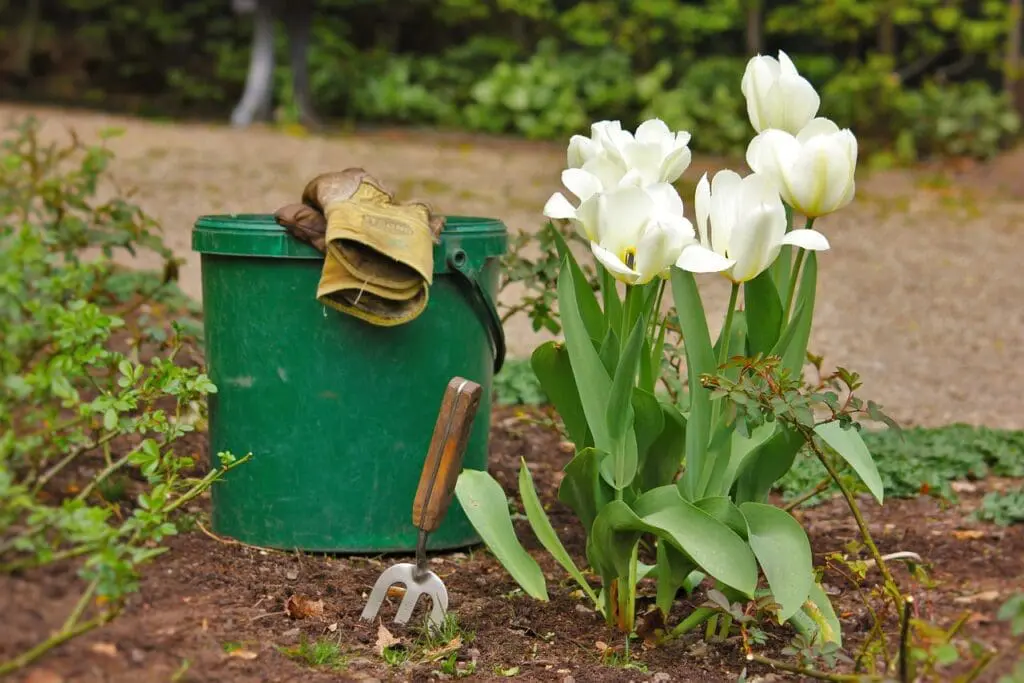
The benefits of gardening are not limited to fresh air and exercise but are also great for your mental health too. However, in our enthusiasm to tackle a big gardening job or our determination to get things finished, injuries often occur. Here are our top tips for first aid for gardeners for dealing with or preventing the most common gardening injuries.
Pace yourself when working in the garden
With good weather days, we all seem to be heading out to our gardens to catch up on those annoying tasks we’ve been putting off. This can lead to overdoing it and causing pain and strains in limbs not used to a sudden workload. Having a knowledge of first aid for gardeners will help you spot, avoid, or treat common injuries or their sources.
Pace yourself – write up a realistic list of jobs to do in the time you have allowed. Do some ‘warm up’ stretches and moves to get your muscles warm and ready for action!
Throughout the session, use different muscle groups to ‘spread the load’ and avoid repetitive strain injuries in just one area of your body. Start off with some gentle weeding, then do some cutting back, then some potting up in the greenhouse or shed. Take regular breaks to admire your good work and give your body a rest too!
At the end of the gardening session, do some ‘warm down’ stretches and moves as well! You’ll feel the benefit of the work and the stretching afterwards.
Cuts, scrapes and infected wounds
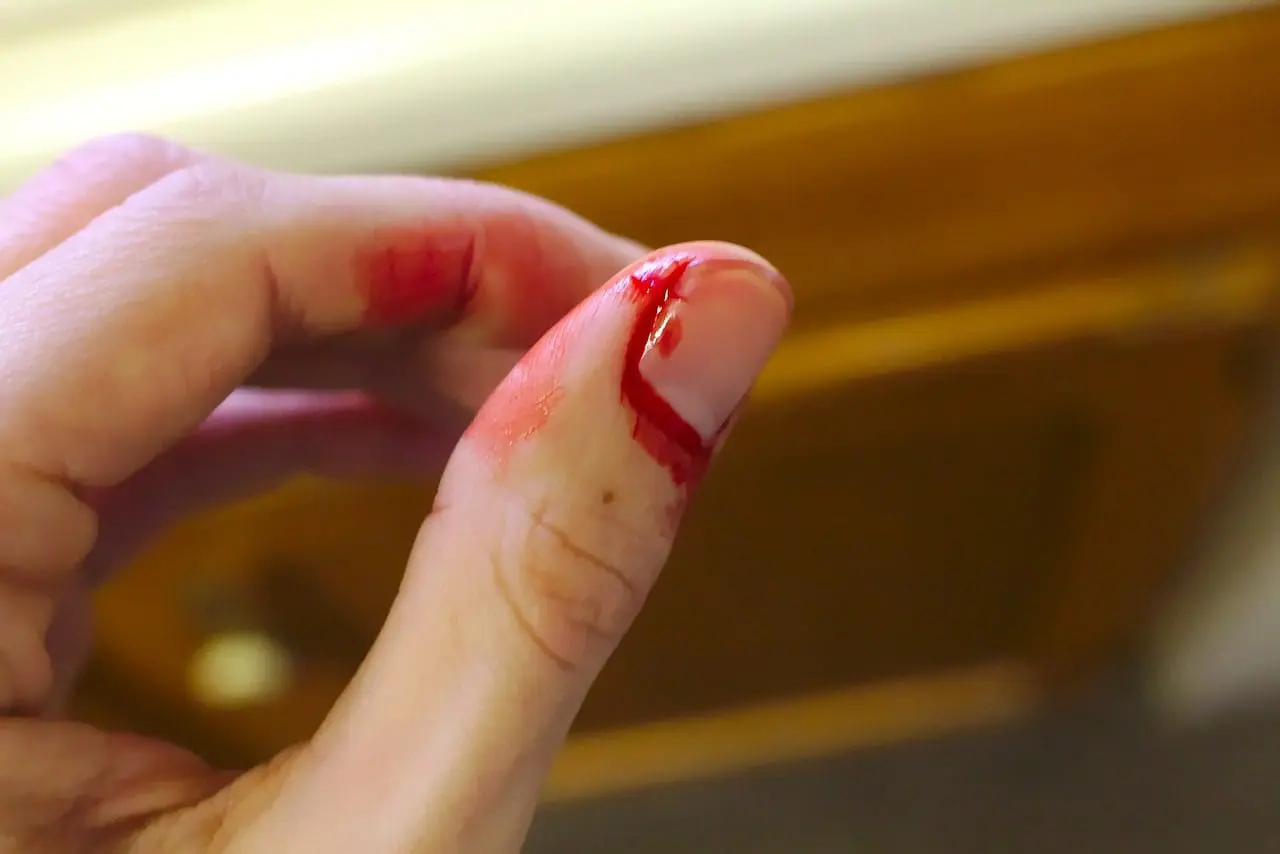
Small injuries are common in gardening and we too often leave them until we’re back inside to deal with them. Soil, dirty tools & gloves and bags of compost all carry bacterial and other hazards that can lead to infection in even the smallest of wounds.
Clean and cover small wounds when they happen. Clean them thoroughly with soap and water or a medi-wipe from your first aid kit. (Don’t use water from your garden hose). Cover with a plaster or dressing as appropriate. Wear clean gardening or surgical gloves to protect any wounds or cuts – or to prevent them in the first place.
If the wound is more significant, check and thoroughly clean it, apply pressure to limit the bleeding and then apply a bandage firmly. Monitor the site and seek medical help if it doesn’t improve. Change the dressing or plaster regularly to keep the wound clean and protected and don’t get them dirty by doing more gardening!
What are the signs of infection?
- The skin the wound is red or sore, or feels hot and swollen;
- You can see green or yellow pus around the wound;
- Your wound isn’t closing or healing;
- You feel generally unwell or have a temperature.
Seek medical advice if you have a wound that is not healing normally. Even small wounds can lead to more serious infections.
Back strain
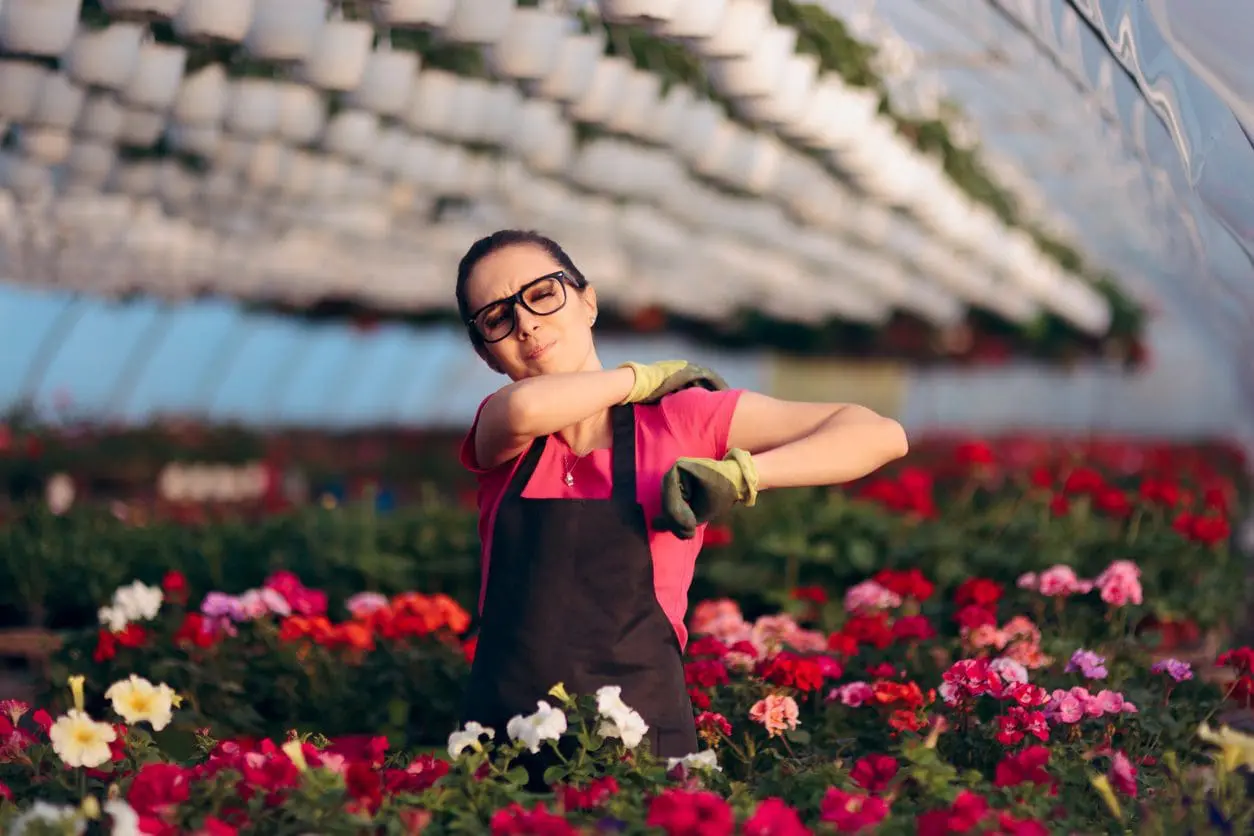
Back pain can be caused by prolonged poor posture, twisting, bad manual handling technique that results in a pulled muscle (a strain). Occasionally back pain is a slipped disc or sciatica and these injuries need to be seen by a doctor.
Back strain happens often in gardening due to the repetitive nature of bending over whilst weeding or carrying heavy compost bags or pots. It can happen more often if you don’t warm up beforehand or haven’t been gardening for a while. Using a kneeling pad whilst weeding will help reduce the risk of back pain. One with side handles to help you get up and one with a good firm but flexible pad to protect your knees as well. Also, consider getting a sack trolley for shifting compost bags or use your wheelbarrow more effectively.
First aid for back pain.
Most back pain is the result of inflammation of muscles in the back.
- Stay active and try to continue with your other daily activities. Don’t just go to bed or have a lie down on the sofa!
- Use an ice pack (or bag of frozen peas) wrapped in a tea towel or other material to reduce pain and swelling;
- Use a heat pack (or hot water bottle) wrapped in a tea towel to relieve joint stiffness or muscle spasms;
- Do some gentle exercises and stretches for back pain;
- Anti-inflammatory medicine like Ibuprofen may also help (seek medical advice for this first though). This is also available in a gel;
- Get medical help if it doesn’t improve.
Splinters
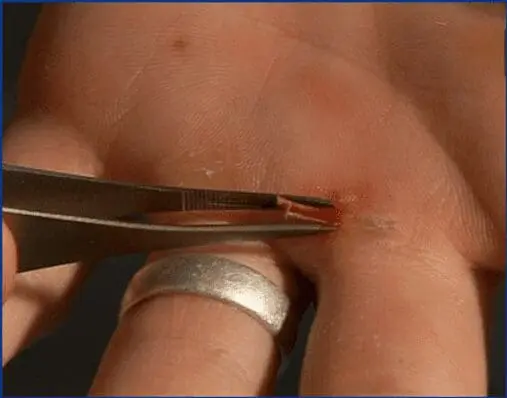
Splinters in the garden are most often from the thorns on plants. They are there to protect the plant from browsing animals and vary in size. Some of them carry a risk of infection too as they are often associated with fungi or bacteria. Splinters can often be got from handling rough wood such as tree stakes or wooden plant supports.
How to safely remove a splinter:
- Get the tweezers from your first aid kit and clean them with a medi-wipe or very hot water;
- Using the tweezers (not your dirty hands!), pull the splinter out in the opposite direction it went in;
- Squeeze some blood from behind the wound to flush out any debris;
- Clean the wound with a medi-wipe or soap and water (don’t use the water from your garden hose);
- Dry, cover and monitor for infection.
Insect stings in the garden
Whilst we’re all trying to attract more pollinators into our gardens to help wildlife, this inevitably increases the risk of stings from certain insects. Not all insects sting. IF they do, the sting results in the insect injecting a venom or similar into your skin as a defence mechanism. This results in swelling, redness and pain. It usually goes down after a few hours.

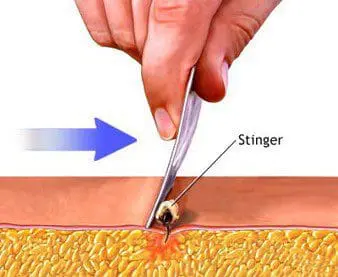
First aid for insect stings:
- Remove the sting if it is embedded in your skin. Drag a credit card or something similar across your skin to remove it. (If you remove it with tweezers or your fingernails, you may just be squeezing more venom into your system);
- Avoid touching the area with your dirty hands.
- Clean the area with plenty of soap and water;
- Apply ice or a cool pack to reduce the pain and swelling;
- Although it might be itchy, avoid scratching the area as this will just cause more inflammation;
Seek medical help if symptoms don’t go away after a few days. Pharmacists will often help with this.
When to seek medical help for a sting: If the sting has been in the face, mouth or genitals and is causing dizziness or breathing difficulties, get medical help. Some people may have a more severe reaction to the sting (which may be anaphylaxis). In this case, phone 999/112 for urgent medical assistance. Check to see if the person has an epi-pen or AAI for such reactions as it may not be their first anaphylactic reaction to a sting.
Be tick Aware! – Ticks and Lyme Disease.

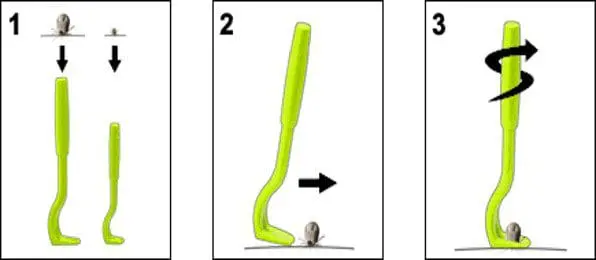
Ticks are also prevalent in gardens these days. They attach themselves to you then feed on your blood. They don’t hurt when they feed on you so you won’t feel them biting. Therefore you need to keep an eye out for them and check yourself regularly. Some are very small – the size of pepper dust. Ticks may carry diseases. The most common one is Lyme Disease which can be transmitted to you through their feeding activity.
What should I do if I find a tick on me?
The most important thing is to remove them from your body. Therefore, having a tick remover in your gardening first aid kit is essential.
Sunburn
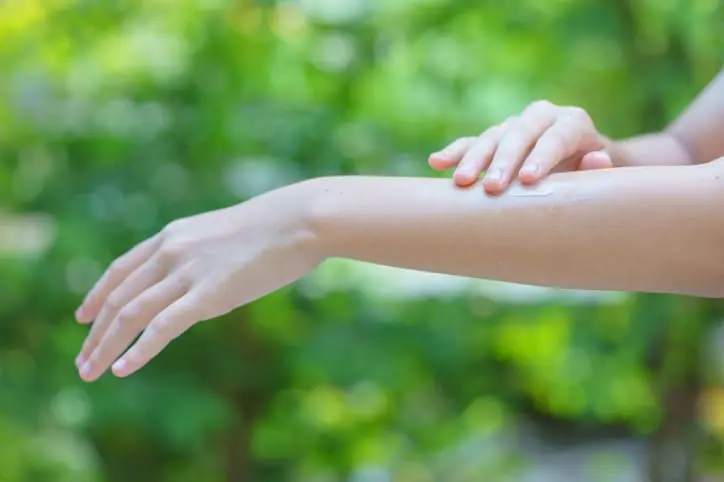
Often we get carried away with time in the garden and forget about protecting ourselves from the sun. Sunblock should be part of your standard gardening kit. As you kneel down or remove clothing layers on a hot sunny day, the sun’s rays can burn the unprotected skin on the back of your neck or arms very quickly. As with many illnesses, prevention is the first step we should consider. Applying a good sun block (minimum SPF 30+) will help prevent sunburn in the first place, and don’t forget to re-apply it at intervals.
Treatment for sunburn.
- Get out of the sun!;
- Cool the burn area with plenty of cold water. Have a shower or cool bath if that helps. Sunburn is classed as a burn in first aid terms and the advice is to cool the burnt are for at least 20 minutes. This takes the heat away from the burn skin;
- If the burnt area is more than 5% of your body area, seek medical advice. The palm of your hand is 1% of your body area;
- Drink water too as this helps rehydrate you – and your skin – from the inside;
- If you start to feel dizzy or nauseas or develop a high temperature, seek medical help.
Dehydration
Dehydration happens over time when we don’t take in enough of the right kind of fluids. Stopping for a well earned cuppa in the garden is fine a long as you also take on board lots of water. Always have a bottle of water – kept in the shade to keep it cool – so you can top up your fluids throughout the day. Every time you pass that bottle of water, have a drink!
Symptoms of dehydration:
Dehydration can cause headaches, thirst, the inability to concentrate and fatigue. A key method to check if you’re dehydrated is also to check the colour of your pee when you go to the toilet.
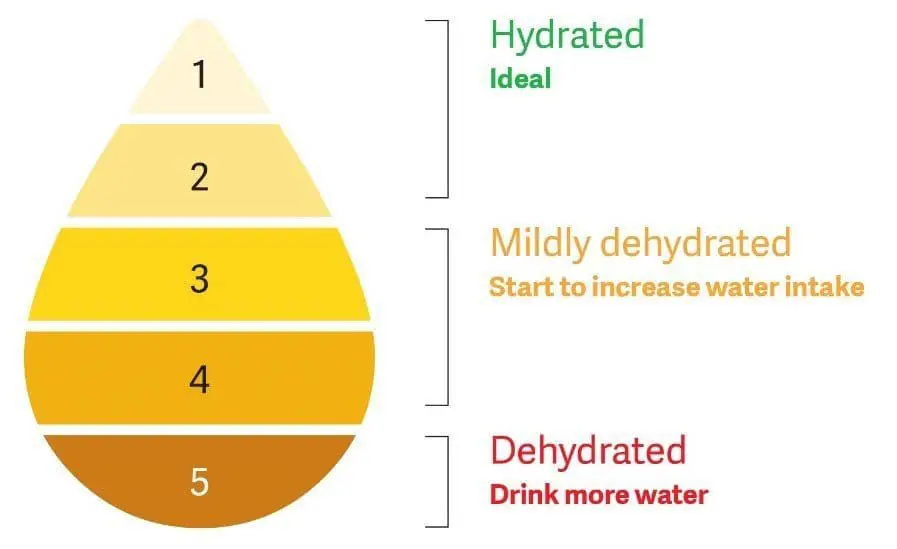
How do we know how much to drink for the activity we are doing? The best way is to keep it simple and listen to your body. If you feel thirsty, drink water.
Have an appropriate first aid kit nearby

What should a gardening first aid kit include?
- Buy a waterproof first aid kit that is British Standard 8599 and add in extra items you think will be needed;
- Check there are good medical scissors, tweezers and plenty of in date medi-wipes in there;
- Nitrile gloves – the correct size for you – are also essential;
- Tick removers are now essential in every first aid kit;
- Eye wash is also useful. Remember, any water you would drink can also be used to flush out an eye so having plenty of drinking water in the garden serves two potential purposes! The garden hose or watering can are NOT appropriate sources of water for flushing eyes or wounds!
- Ensure the kit is kept topped up after use and that it is stored somewhere cool and dry.
Get confident – get some First Aid training
At First Aid Training Co-operative we cover all of the above first aid topics – and much more – in our First Aid courses. We often provide private first aid courses for community gardening groups. Our systematic approach to teaching first aid helps your learning and understanding of many illnesses and injuries. Practicing first aid techniques reinforces your learning too.
Every client on our courses receives a FREE Digital First Aid Manual relevant to the course they come on. You can also view and buy our manuals for less than £5 in our online shop. In addition, we have our own YouTube channel with over 40 practical first aid videos.