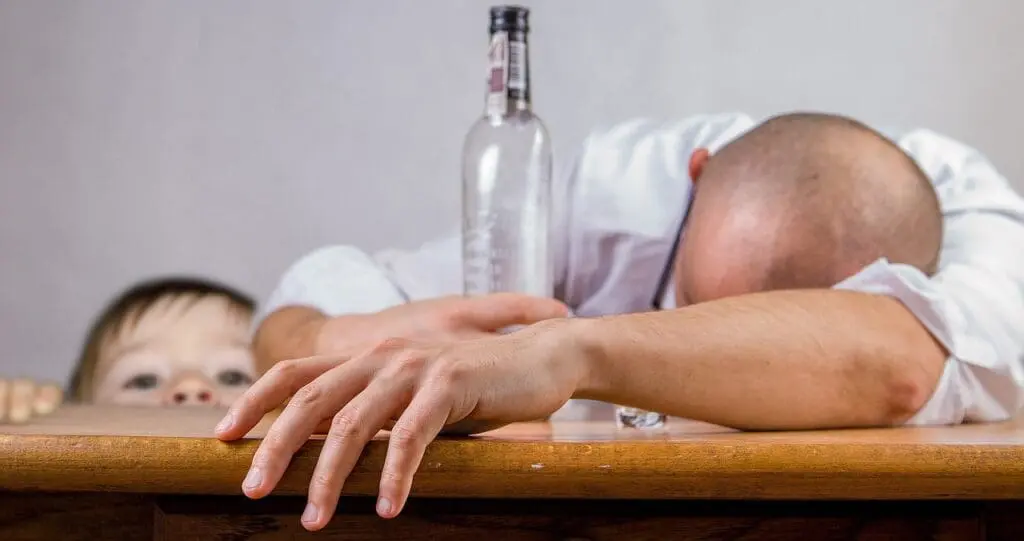
Alcohol poisoning occurs when a person drinks a toxic amount of alcohol, usually over a short period of time, sometimes called binge drinking.
What is alcohol poisoning?
The level of alcohol in a person’s blood can continue to rise for up to 30 to 40 minutes after their last drink. This can cause their symptoms to suddenly become much more severe. Alcohol poisoning can damage your health or even put your life in danger. In severe cases, it can lead to coma, brain damage and death.
Every time you drink alcohol, your liver has to filter it out of your blood. Alcohol is absorbed quickly into your body (much quicker than food), but the body can only process around 1 unit of alcohol an hour. If you drink a lot of alcohol over a short space of time, such as on a night out, your body will not have time to process it all. This can result in alcohol poisoning which effects your brain, liver and other vital organs.

What are the signs of alcohol poisoning?
The signs and symptoms of alcohol poisoning include:
- Confusion
- Severely slurred speech
- Loss of co-ordination
- Vomiting. Repeated vomiting and retching can lead to vomiting blood, caused by a torn blood vessel near the stomach.
- Irregular or slow breathing
- Pale or blue-tinged skin caused by low body temperature (hypothermia)
- Being conscious but unresponsive
- Passing out and becoming unconscious
When to seek medical help – a case of being drunk or alcohol poisoning?
An alcohol overdose or poisoning is when there is so much alcohol in the bloodstream that areas of the brain controlling basic life-support functions—such as consciousness, breathing, heart rate and temperature control – do not work effectively. There isn’t a defined line between being drunk and alcohol poisoning. Remember, the poisoning continues to have a detrimental effect on their body long after the last drink.
Checking a drunk person’s alertness:
Are they alert? If they’re not totally alert and have any of the other symptoms outlined above, you need to act. Can they communicate with you? Do they only respond to simple commands like ‘open your eyes’? Do they only respond when you squeeze their shoulders? Is there no response at all? If there is no response, check they are breathing and put them in the recovery position – on their side with their airway in an open draining position. Read more about testing someone’s alertness level here and ensure you monitor them regularly. Watch a quick video on putting someone in the recovery position here.
If you suspect alcohol poisoning, dial 999 immediately to request an ambulance.
While you’re waiting for the ambulance:
- Keep them sitting up and awake – be alert to them vomiting and lean them over if they do so to let the vomit out. Afterwards, check their airway is clear and that they are breathing ok;
- Give them water if they can drink it, sips are better than gulps;
- If they pass out, lie them on their side in the Recovery Position and check their breathing regularly;
- Keep them warm;
- Stay with them.
Once in hospital, the person will be carefully monitored until the alcohol has left their system.
2 things NOT to do with someone who is drunk or you suspect of alcohol poisoning:
- Never leave a person alone to “sleep it off”. There is a risk of vomiting and choking amongst other impacts of the poison such as heart attack and hypothermia.
2. Do not try to “sober them up” by giving them coffee or putting them under a cold shower, for example. These methods will not help and may even be dangerous. Their body has been poisoned and should be treated accordingly by medical professionals.
Preventing alcohol poisoning:
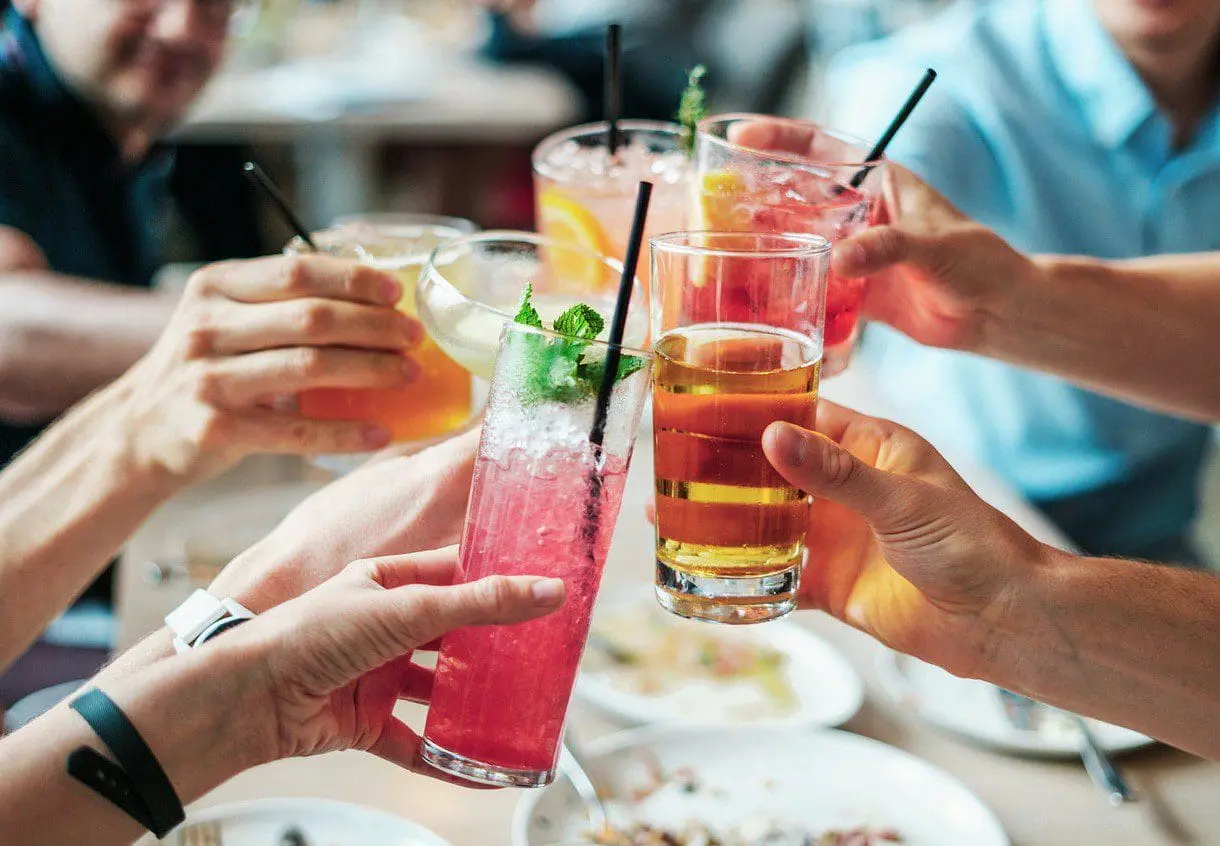
- Don’t binge drink as it increases your risk of alcohol poisoning
- Don’t mix your drinks – “Grape or grain, but never the twain!” is an old myth but mixing drinks just makes your hangover worse and may lead to stomach upsets
- Pace yourself and take soft drinks or water in between or alongside alcoholic drinks
- Set a budget so you don’t spend more on drink than you want to
- Have a lower strength drink or alcohol free drink
- Alternatively, don’t drink alcohol!
- Think about tomorrow and what you have to do. Do you need to drive, look after kids or get up for work? If so, drink accordingly or don’t drink at all.
- Look after yourself and your friends when excessive drinking is happening. Keep an eye on each other. Lots of other social and physical injuries and assaults happen when drink is involved and normal behaviour is altered.
Do hangover cures work?
Generally, no.
Rehydrating with bland drinks such as water, soda or isotonic drinks helps. Painkillers may relieve the headache. Weak soup such as bouillon may help settle your stomach, antacid will help settle your acid stomach and sugary foods may help with the ‘trembles’.
A hair of the dog? Not advised. Why would you treat poisoning with another dose of poison? Rest, rehydrate and replenish your vitamins and minerals with appropriate healthy food and fluids. Give your body time to recover.
Specific First Aid training for the hospitality sector
If you’re involved in the hospitality trade, we run bespoke Emergency First Aid at Work (EFAW) courses for your sector.
We understand that your First Aid Hazard assessment perhaps suggests that a basic course is sufficient for all but your kitchen staff – who need to cover more serious burns. But you don’t want to put them through 3 days of training just for that – this course is for you! Or maybe you need to do an EFAW course, and an anaphylaxis training course, we can combine them both for your staff with this sector specific course. Theoretical training and practical scenarios are used together in a progressive nature. You will be very active on this course, come prepared to get involved!
Find out more about our Emergency First Aid + Hospitality courses here.
Get First Aid confident – get trained!
Knowing what to do beforehand is the key to being a confident first aider. Our systematic approach to teaching first aid helps your learning and understanding of many illnesses and injuries. Practicing first aid techniques reinforces your learning too. Find our more about our full range of First Aid Courses here.
Every client on our courses receives a FREE Digital First Aid Manual relevant to the course they come on. You can also view and buy our manuals in our online shop. In addition, we have our own YouTube channel with over 40 practical first aid videos so you can keep your first aid skills refreshed.