What is diabetes and how can a first aider help when required?
Diabetes is the inability of the body to make insulin. Insulin allows blood glucose (sugars) to enter the cells and fuel our bodies.
With Type 1 diabetes, your body breaks down carbohydrates from food and turns it into glucose. When the glucose enters the bloodstream, there’s no insulin to allow it into the cells and more and more glucose builds up in your bloodstream, leading to high blood sugar levels or hyperglycaemia. Alternatively, the imbalance of insulin and sugars may result in hypoglycaemia – low sugar levels.
If you have Type 2 diabetes, your body still breaks down carbohydrate from your food and drink and turns it into glucose. The pancreas then responds to this by releasing insulin. Sometimes no insulin is released or because the insulin can’t work properly, your blood sugar levels keep rising. This means more insulin is released. For some people with type 2 diabetes this can eventually tire the pancreas out, meaning their body makes less and less insulin. This can lead to even higher blood sugar levels and mean you are at risk of hyperglycaemia.
There are numerous other, less common, types of diabetes including gestational diabetes and MODY diabetes.
First aid for diabetes incidents
Most diabetics don’t consider themselves ill on a day to day basis. It’s only when other factors effect their sugar levels or they have missed their medication that first aiders may need to help. If you have a diabetic friend or colleague, it’s always good to get to know their early signs, when to offer help and know how to help.
In first aid terms we are focused on dealing with an immediate event or incident, not with long term illness management. However, understanding someone’s daily routine management is useful in helping them in an incident.
Commonly first aiders are more likely to see hypoglycaemia (low blood sugar levels) but occasionally we may see hyperglycaemia (high blood sugar levels). Non-diabetics can also experience low blood sugar levels in certain circumstances. Be alert to the fact that there are hundreds of thousands of people in the UK who have undiagnosed diabetes.
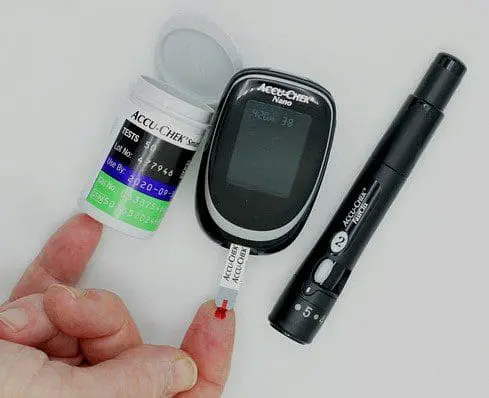
You will hear diabetics talk about their ’numbers’. This is the blood sugar level they read on their blood sugar meters or after a finger prick test. This helps them monitor and determine how much medication to administer to balance up their sugar levels again. Typical numbers in the ‘target levels’ are between 4 & 7 and are measured by a blood glucose meter. Everyone has a different ‘normal’ level depending on the time of day and the activity they are doing immediately before the test. The casualty with diabetes is the expert in their condition so always ask them if they are conscious and coherent.
Common Signs of Hypo- and Hyper-Glycaemia
The table below shows the common signs of sugar high and lows and talks about how to manage these casualties.

What is a ‘hypo’?
Hypoglycaemia is when your blood glucose level is too low, usually below 4mmol/l. Low blood sugar can happen if the balance of diabetes medication , food and physical activity isn’t right.
‘Having a hypo’ can happen quickly for a diabetic so it’s important to know what the signs are and what to do. Everyone has different symptoms and you should be alert to these as an early sign of a ‘hypo’ and deal with it promptly. These symptoms are sometimes referred to as a ‘diabetic attack’, but this can also refer to other things, such as Diabetic Ketoacidosis (DKA). More on DKA below. Testing blood sugar levels regularly can help spot a hypo before they get any symptoms.
Why do ‘hypos’ happen?
We don’t always know why hypos happen, but some things make them more likely. These include missing or delaying meals, not having enough carbohydrate in your food, doing a lot of exercise without having extra carbohydrate or without reducing their insulin dose, taking more insulin than needed or drinking alcohol on an empty stomach.
What is a ’hyper’?
Hyperglycaemia can happen when blood glucose levels are too high – usually above 7mmol/l before a meal and above 8.5mmol/l two hours after a meal. This happens because the body either cannot produce enough insulin to process the sugar in the blood or it cannot use the insulin effectively enough.
Symptoms of hyperglycaemia build up slowly over time as sugar levels rise, meaning a diabetic person may not notice them until their blood glucose is very high, at which point they need to take action straight away to help reduce their blood sugar levels.
What is Diabetic Ketoacidosis (DKA)?
If someone’s blood sugar level continues to rise they may need to act fast to avoid developing Diabetic Ketoacidosis (KDA). This happens when there is severe lack of insulin in the body and therefore it can’t use sugar for energy and starts to use fat instead. When this happens, chemicals called ketones are released. If left unchecked, ketones can build up and make your blood become acidic – hence the name acidosis. Ketone meters are sometimes found with a diabetic casualty. If you are not trained to monitor this, mention the meter when you call 999.
DKA is serious if it is not treated fast and medical help should be sought straight away. Phone 999.

Understand Your Casualty’s Illness Before They Need Your Help
If you have a duty of care for a person who suffers from diabetes (or any illness for that matter), one of the best pieces of advice is to have an honest but private conversation with the person about their illness. Find out how they manage their illness and what they would like you to do, should they fall ill. Find out what their usual signs and symptoms are, what their recovery looks like, and of course where they carry their medication. In this way, you will be much better prepared should you find yourself dealing with a diabetic incident.
Frequently Asked Questions:
How many people have diabetes?
4.9 people is the UK have diabetes. Type 2 is more common than Type 1 with 90% of diabetic adults having Type 2. A further 13.6 million people are considered at risk of developing Type 2 diabetes. It is estimated that around 850,000 people in the UK already have Type 2 diabetes but have yet to be diagnosed.
Why is Type 2 diabetes on the increase?
Diabetes risk factors include age, ethnicity and family history. People of Afro-Caribbean, African or South Asian descent are more likely to develop Type 2 diabetes than white people. However, the single greatest risk factor is obesity and this is responsible for over 80% of the risk in developing the condition no matter what your age, ethnicity or family history.
Can I check my risk of getting Type 2 diabetes?
You can use this tool to work out your personal risk of developing Type 2 diabetes with this online tool. It only takes 2 minutes to complete.
How can I avoid getting Type 2 diabetes?
By making changes to diet, increasing physical activity and losing weight. About half of the Type 2 diabetes cases can be prevented or delayed. If you take the test mentioned above, that’s a great first step to understanding your risk level and doing something about it now.
What is the difference between Type 1 and Type 2 diabetes?
Causes and what happens to your body: Type 1 cause is currently unknown but we know the body attacks the cells in the pancreas which means it cannot produce insulin. The cause of Type 2 is weight, age and ethnicity. In type 2, your pancreas cannot make enough insulin or what it does make doesn’t work properly.
Symptoms: In Type 1, symptoms appear more quickly. In Type 2, the symptoms appear more slowly and can be missed.
Managing the disease: Type 1 is managed by insulin injections. Type 2 is managed by medication, diet and exercise.
Cure and prevention: There is currently no cure for Type 1 diabetes. Type 2 cannot be cured but there is some evidence that it can be prevented and put into remission.
What equipment and technology is used in managing diabetes?
The basic kit has, in the past, always been a finger prick device, usually a lance, coupled with a test strip card to analyse blood glucose levels. A glucose meter is then used to accurately measure glucose levels. However, these are now increasingly replaced with more instantaneous monitors that are worn by the person.
New devices such as Flash Glucose Monitors and Continuous Glucose Monitors are now common. These are worn just under the skin and constantly measure glucose levels and send it to a display (monitor, phone or smart watch) and can be used to record data over a period of time to see patterns. Some are set with audible alarms and can be linked to parent or carer’s phone. This helps with trouble shooting problems especially with those recently diagnosed and learning to manage their diabetes. With downloadable charts and graphs from these monitors, diabetics can better see and understand how food, activity, and other things affect their blood sugar levels.
Hybrid Closed Loops are sometimes called an artificial pancreas. They are a separate sensor and administration pump to monitor and administer insulin. These are lifestyle changing for people with diabetes.
All this technology helps people understand their individual diabetic responses and new technology is coming out regularly making it easier for everyone, especially children and teenagers, to better manage their diabetes. Remember they also have batteries so always ask a casualty about their technology’s power source if uncertain about alerts or device readings. Remember also that devices and batteries may be effected by hot or cold environmental temperatures.
Diabetes UK website is a great resource for identifying the symptoms and understanding diabetes, managing it on a daily basis and current research into the illness. Below is a session from our First Aid Conference in March 2024 where diabetes and the new technology used to manage it is very well covered.
Get confident – get trained!
Knowing what to do BEFORE it happens is essential and attending a first aid course will give you the knowledge and the confidence to deal with diabetic casualties. Find out more about our range of first aid courses here.
Everyone on our courses receives a FREE digital first aid manual. We have a range of manuals relevant to the courses we teach – Outdoor, Equestrian, First Aid at Work, Paediatric and Sports. They are a great resource that you can download onto your phone or other device and have all that first aid knowledge at your fingertips. You can view them and buy them for less than £5 here.