

Top 10 things horse riders need to know about rope burns
Updated November 2021
- A rope burn is a type of friction burn. It’s caused by the rapid or repeated movement of coarse rope rubbing against skin and consequently removing the skin. This can occur on your horse, but also on the rider typically when you are leading your horse, it bolts or jerks and you have the lead rope wrapped around your hand or you grab the rope to restrain the horse.
2. Signs of rope burn typically show up as:
- redness – from the damage to the skin
- irritation – from the damage to the skin
- blisters – appear on the surface to protect from infection
- bleeding – broken skin, a deeper burn
- pain
3. The immediate first aid is to assess the wound:
- Determine the severity of the rope burn. The size and depth of the wound determine whether it is a first, second, third degree burn
- Any rope burn that is larger than 2 to 3 inches / 50 to 70mm or deeper than the skin’s uppermost layer should be looked at by a doctor
- If medical support is necessary, clean and cover the wound to avoid infection and then seek emergency medical help immediately
4. After assessment comes cleaning. All rope burns should be cleaned using cool running water. This helps remove debris, bacteria, and rope fragments from the wound. If running water is unavailable, use a cool compress or standing, sterilised water instead. Do not put ice on the wound, as this may further damage your skin tissue. If there are rope fragments that don’t rinse out, you can leave them intact for a doctor to remove or try to gently remove them yourself with a sterilised tweezer. Be careful to avoid pulling or further abrading the wound while attempting to remove fragments or debris
5. Cover the wound. Keep the wound clean and dry with a gauze bandage or wrap. Wrap the wounded area lightly, rather than tightly. You will need to keep the bandage clean and dry. Sterile bandages should be changed once a day or more often if they get wet or become soiled. Continue to assess the wound. If redness, puffiness, or signs of infection appear, see a doctor as soon as possible. Burns can take up to 10 days to heal properly depending on their severity
6. Seek further medical help if you have any of the following:
- large or deep burns bigger than the affected person’s hand
- burns of any size that cause white or charred skin
- burns on the face, hands, arms, feet, legs or genitals that cause blisters
- all chemical and electrical burns
- a burn that appears to be infected, is oozing, increased pain or swelling or blistering or if you develop a temperature.
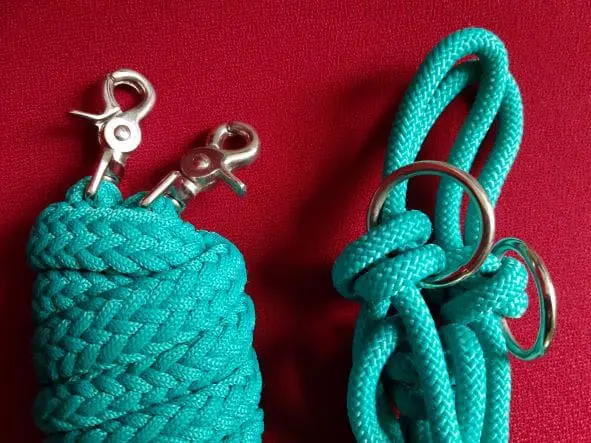
7. Different types of ropes will cause different levels of damage. Their material, shape and thickness will also create more or less damage depending on the size of your hands too. It’s not always the rough ropes that do more damage as the softer halter and lead ropes can generate heat quite quickly as they run through your hands.
8. Check out the NHS website which has information managing rope burns
9. You can purchase specific burns kits which can be used in the event of burns at the stable yards.
10. Why not go on a first aid course to find out more about burns management? To find out which first aid course is best for you check out our specific equestrian first aid webpage.
We have also produced an equestrian specific Accident Book for horse riding establishments. You can view and buy it here.

Medi-K and First Aid Training Co-operative have come together to run specialist equestrian specific first aid courses. For more information about our first aid courses please contact us.