

Anxiety is one of the most common mental health conditions in the world. It affects millions of people globally with symptoms that range from mild to severe. Anxiety can present in many ways including excessive worry, panic attacks, difficulty concentrating and restlessness. For some people, anxiety can stem from specific stressors or life events, while for others, it might occur without any apparent cause.
Anxiety is normal, but it is only meant to be an immediate response to danger. It is never meant to last over a long period of time.
In some cases, anxiety can escalate into more severe conditions, such as Post-Traumatic Stress Disorder (PTSD), especially for individuals exposed to traumatic situations like firefighters, military personnel and emergency services first responders.
Understanding Anxiety: Signs and Symptoms
Anxiety disorders come in many forms, but the most common include Generalised Anxiety Disorder (GAD), Social Anxiety Disorder, Panic Disorder and Obsessive-Compulsive Disorder (OCD). While each of these disorders has its unique characteristics, there are some general signs that indicate the presence of anxiety:
1. Excessive Worry: One of the most common symptoms of anxiety is persistent and excessive worry about various aspects of life, even when there is no apparent reason to be concerned.
2. Restlessness and Irritability: Many people with anxiety feel a constant sense of restlessness and may become easily irritable.
3. Fatigue: Anxiety can cause physical symptoms like fatigue, even without physical exertion.
4. Difficulty Concentrating: Anxiety often makes it hard to focus and individuals may find themselves easily distracted.
5. Sleep Disturbances: Insomnia or trouble staying asleep is a frequent issue for people experiencing anxiety.
6. Physical Symptoms: These can include headaches, muscle tension, sweating, and nausea. In more severe cases, anxiety can lead to panic attacks – sudden, intense episodes of fear that can mimic the symptoms of a heart attack.
The Link Between Anxiety and PTSD
For some individuals, anxiety is not just a standalone condition; it is a symptom of a deeper issue, such as Post-Traumatic Stress Disorder (PTSD). PTSD develops after experiencing or witnessing a traumatic event, such as physical violence, an accident or a life-threatening situation. While PTSD shares some symptoms with anxiety, it includes additional symptoms like flashbacks, nightmares and intrusive thoughts related to the traumatic event.
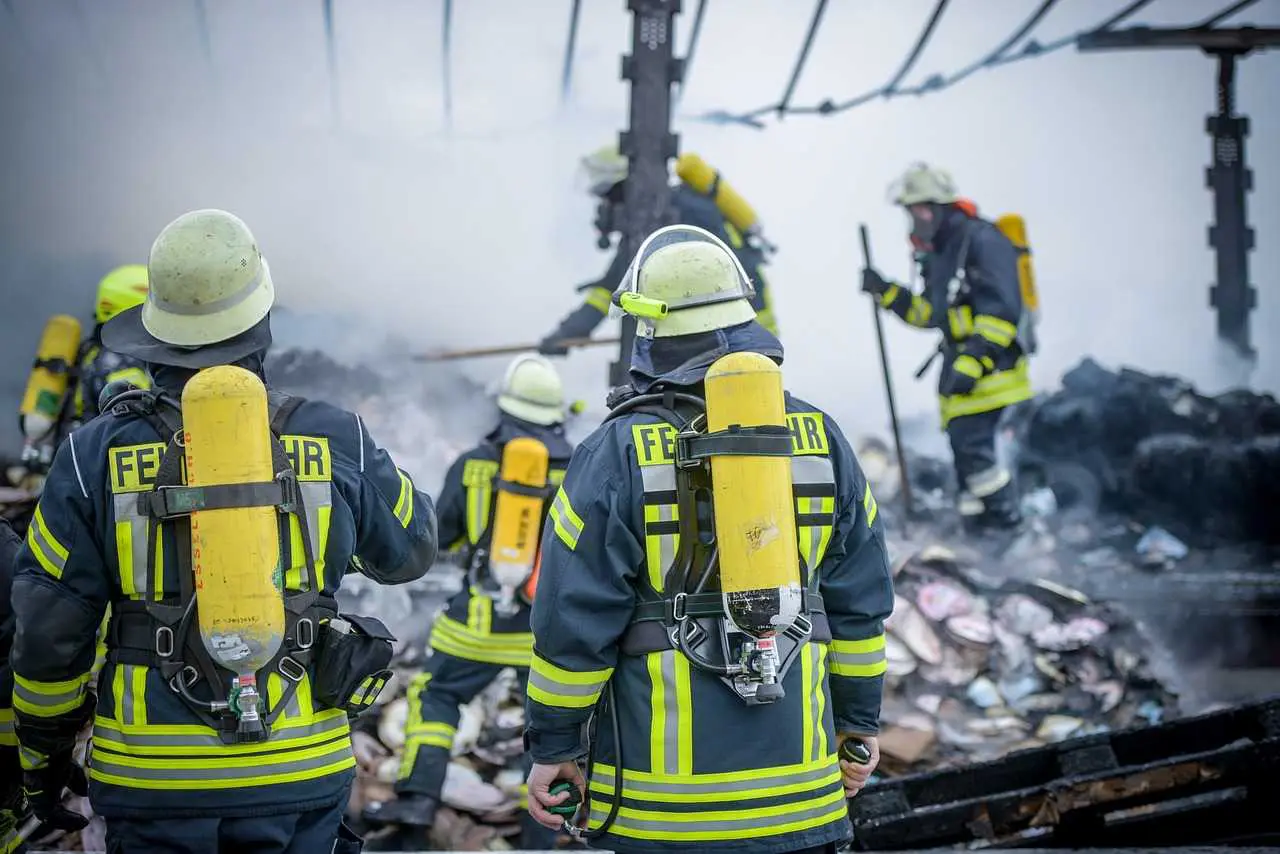
Anxiety becomes especially prevalent in individuals who have faced extreme stress or trauma. One clear example of this is among firefighters. Firefighters often face life-threatening situations while on the job such as running into burning buildings, witnessing injuries and sometimes fatalities. These experiences can leave a lasting psychological impact, with anxiety acting as one of the key symptoms.
Research shows that emergency services first responders, including firefighters, are significantly more likely to develop PTSD compared to the general population. Studies suggest that 30% of emergency services first responders develop behavioural health conditions such as PTSD and depression, which are often intertwined with anxiety.
In cases of PTSD, anxiety can become debilitating. Individuals with PTSD may experience heightened anxiety when exposed to triggers that remind them of the trauma. For example, a firefighter who has witnessed a fatal accident might feel intense anxiety upon hearing a similar emergency call. Their mind and body react as though they are reliving the traumatic event, which can make day-to-day life extremely challenging.
Treatment Available for Anxiety and PTSD
The good news is that both anxiety and PTSD are treatable, and many people experience significant improvement with the right treatment. These options may include:
1. Cognitive Behavioural Therapy (CBT): This is one of the most common forms of therapy for anxiety and PTSD. CBT helps individuals identify and change negative thought patterns that fuel their anxiety or PTSD symptoms. It teaches coping mechanisms that enable patients to manage their thoughts and reduce anxiety over time.
2. Exposure Therapy: For individuals with PTSD, exposure therapy can be particularly effective. This type of therapy involves gradually and safely exposing patients to the memories or situations that trigger their anxiety or PTSD. Over time, they learn to face these triggers without experiencing overwhelming fear or distress.
3. Medication: In some cases, medications such as antidepressants or anti-anxiety medications may be prescribed to help manage symptoms. These medications can provide relief from the most intense symptoms, allowing individuals to focus on therapy and recovery. Selective serotonin reuptake inhibitors (SSRIs) are commonly used to treat both anxiety and PTSD.
4. Mindfulness and Relaxation Techniques: Practices such as meditation, deep breathing exercises, and progressive muscle relaxation can help people manage the symptoms of their anxiety. These techniques calm the nervous system, reducing the physical symptoms of anxiety.
5. Support Groups: Support groups can be an important part of the recovery process for both anxiety and PTSD. Talking to others who have experienced similar challenges can provide comfort and reduce feelings of isolation. Support groups, either in-person or online, allow individuals to share their experiences and learn coping strategies from one another.
Real-World Example: A Firefighter’s Experience
Consider the story of John, a firefighter who had been in service for over 10 years. During his time in the field, he witnessed many traumatic events including several fatalities during rescue operations. Over time, John began to experience severe anxiety. He struggled to sleep, had frequent nightmares, and felt a constant sense of dread, even on his days off.
Eventually, John was diagnosed with PTSD. His anxiety had become so severe that he avoided social situations, fearing that anything could trigger a panic attack. After seeking professional help, John began CBT and worked with a therapist to identify his triggers and learn new ways to manage his anxiety. He also joined a support group for first responders, where he found comfort in talking with others who understood his experiences.
Through a combination of therapy, mindfulness and medication, John was able to manage his anxiety and PTSD. He still faces challenges but his self-care routine helps him cope and continue his work with less emotional strain.
Support for anxiety and PTSD:
There are several support groups specifically for anxiety and PTSD. These include Anxiety UK, MIND on PTSD and PTSD UK
Conclusion – anxiety and PTSD
Anxiety and PTSD are deeply connected, particularly for individuals exposed to traumatic experiences like firefighters and first responders. Recognising the signs of anxiety and seeking treatment early can prevent the condition from worsening and developing into PTSD. For those already experiencing PTSD, effective treatments like therapy, medication and mindfulness can help manage symptoms and improve quality of life.
If you, or someone you know, is dealing with anxiety or PTSD, it’s important to seek help and encourage others to do so too. Early intervention can lead to successful treatment allowing them to regain control of their mental health and well-being.
Want to know more about mental health first aid?
The First Aid Training Co-operative runs a suite of private first aid courses that can be delivered at your choice of venue, at a time and date to suit you. We’ll come to you and tailor your course to suit your specific situation, based on one of the core course types that we have in our portfolio. We now have a range of courses available for those looking to become Mental Health First Responders in the workplace, raise awareness of mental health amongst their staff plus specialist mental health training for outdoor professionals. Check out our mental health first aid course suite.