Updated January 2023
Most of us at one time or another have experienced a splinter. Next time you have a run-in with an old bit of furniture or the log pile, check out our guide below on how to remove the shard with minimum fuss.
How To Remove A Splinter:
- Clean Wound. Clean the area with mild soap and water;
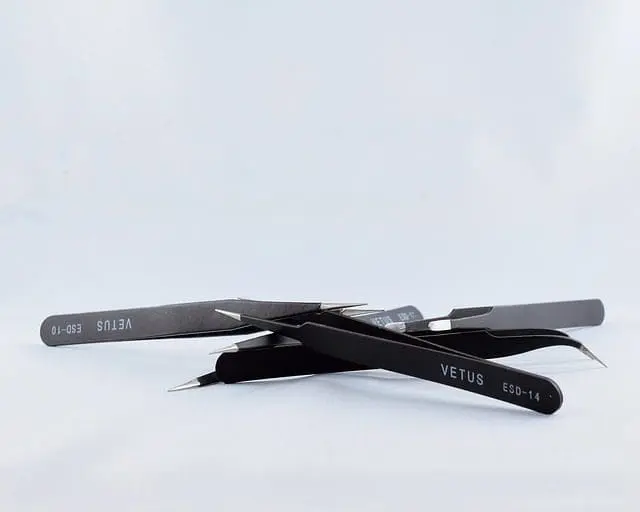
- Clean a pair of tweezers with a medi-wipe;
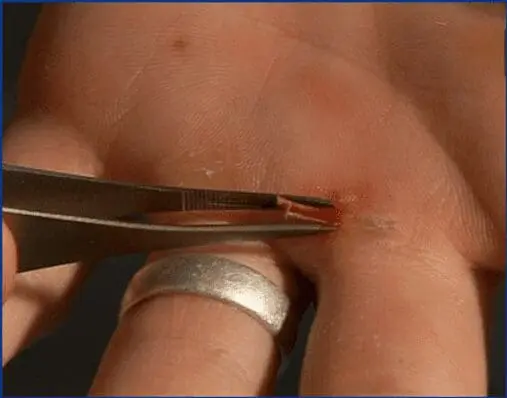
- If you can see the end of the splinter, grip it with the tweezers and gently pull out the entire shard – in the reverse direction to which it entered;
- If you have trouble seeing the splinter, use stronger lighting and a magnifying glass if necessary
- Clean wound area again. Apply a plaster or bandage if appropriate.
We would recommend getting medical advice (GP or pharmacist) if:
- You can’t remove it or only managed to remove it partially;
- If it is too big to be grabbed by the tweezers. Leave the object in, cover it and seek medical advice;
- The splinter is deep in the skin or the wound is bleeding heavily;
- The splinter is under a fingernail or toenail;
- If the splinter or shard is metal, removing it may cause further injury;
- Be sure to check and ask if a tetanus booster is needed.
Watch for any signs of infection: redness, increasing pain, swelling, or pus at the site. Get medical advice or help if you see any of these signs.
If a splinter is not removed immediately, that little tiny shard can cause a great big infection and become more deeply embedded in your skin.
Most splinters do not need the care of a medical practitioner. Do not ignore a splinter especially if the area starts to have any redness or feels hot to touch. Go to a doctor, nurse practitioner or pharmacist to have it removed immediately.
What’s the difference between a splinter and an impaled object?
There isn’t a definite distinction but if an object is too big for tweezers, treat it as an impaled object and get medical help. Why? Because a larger object embedded in your body is more likely to cause internal damage and therefore more bleeding, more infection and more pain. It’s therefore important to stop the bleeding and and prevent any infection by bandaging the wound AND the object.
Watch our video on how to bandage an impaled object.
Get confident – get trained!
To learn about and be prepared for minor injuries or more serious ones, why not consider taking a first aid course? To find out which first aid course is best for you check out our full range of First Aid courses.
Everyone on our courses receives a FREE digital first aid manual. We have a range of manuals relevant to the courses we teach – Outdoor, Equestrian, First Aid at Work, Paediatric and Sports. They are a great resource that you can download onto your phone or other device and have all that first aid knowledge at your fingertips. You can view them and buy them for less than £4 here.