
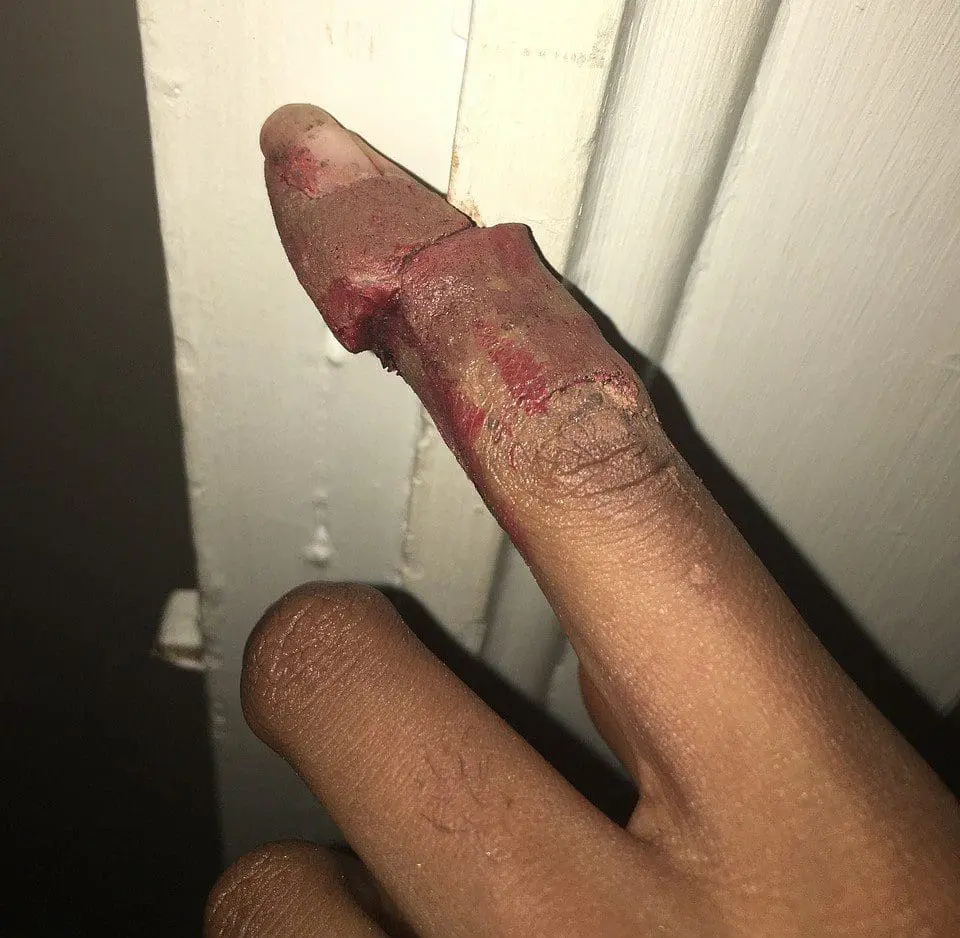
How to deal with a minor amputation
Updated January, 2023
A minor is where the tip of a finger or toe is severed or partially severed with only skin or other fibres holding it together. It can also apply to parts of noses or ears.
Common causes of a minor amputation:
A minor amputation can be caused in a number of ways including:
- Industrial accidents while working with certain equipment and tools;
- Assaults due to knife attacks or domestic violence;
- Car or vehicular accidents;
- Falling impact from heavy and sharp objects;
- Hands or fingers getting jammed in metal or heavy doors and windows.
Signs and symptoms following a minor amputation:
For the casualty these incidents can be very traumatic. The signs and symptoms of an amputation depend on the severity of the injury, but may include:
- Severe emotional distress, searching for the missing part;
- Moderate to severe bleeding depending on the site and extent of injury;
- Shock;
- The amputation may be partial or complete;
- Mild, moderate, or severe pain; it is often seen that the pain may not be directly proportional to the severity of the injury
First Aid for Minor Amputations:
- Call the emergency services on 999/112;
- Reassure and try to keep the injured individual calm and comfortable;
- Apply direct pressure to the wound or injury, try to control the bleeding;
- Cover the tip of the amputation with the pad of a bandage, then start to wrap around the stump firmly with the rest of the bandage. Once the bandage is firm, the casualty can help by folding the finger over to apply pressure to the tip end. Finish wrapping with the bandage and tie it off firmly. A second bandage may help. Raise the limb above the heart (if a finger amputation) or get the casualty to sit and raise their legs (if a toe amputation).
- Find the severed body part and clean the severed end using water;
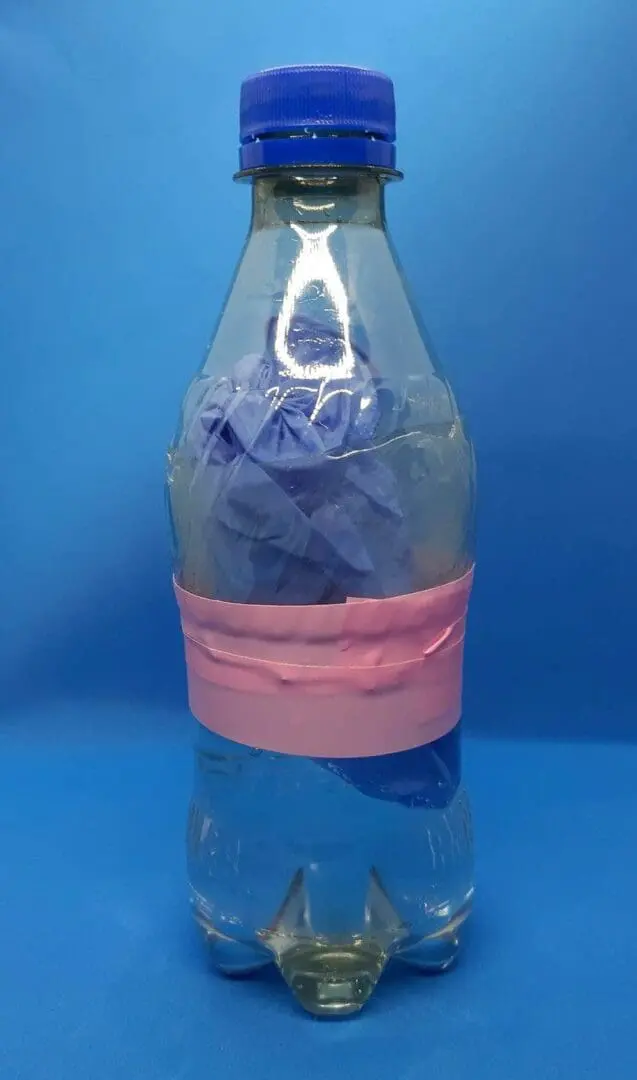
- Place it in a clean surgical glove, tie it closed and then inside another surgical glove and tie it closed;
- Alternatively, place it in a wet clean cloth and wrap it carefully – then place the amputated part in a plastic bag and seal it;
- Keep the body part cool by placing the bag / surgical glove pack into a container with cool water. A drink bottle is good for this;
- DO NOT put ice in direct contact with the body part.
- Treat for shock – help the casualty to lie down on and cover with a blanket and keep the legs slightly elevated. Insulate them from the cold ground if necessary;
- Monitor their vital signs until help arrives. (Colour, temperature, breathing rate, pulse, alertness) Find out more about monitoring vital signs here.
- If you are transporting the casualty to A&E yourself, monitor their alertness and be prepared to stop in case of vomiting.
- Reassure the casualty. Doctors can reattach many severed parts as long as good first aid has been done and the severed part is kept cool and dry.
Watch our video showing how to deal with a minor amputation
Play