
Updated June, 2025.
The first aid world uses many acronyms to help us remember different treatments. An acronym is a word or name formed as an abbreviation, created from the initial letters of a phrase or a word. In this series we have explained the meanings of the most common first aid acronyms to help you avoid confusion!
What is SAMPLE in first aid?
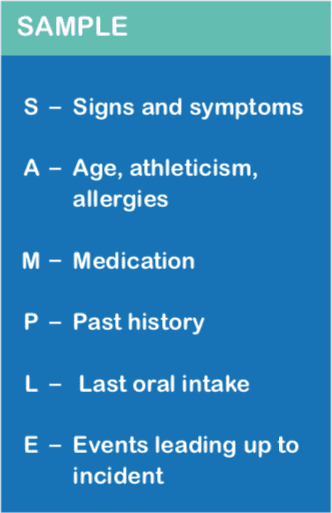
The first aid acronym SAMPLE is used by first aiders and the emergency services at the site of an accident or incident as an aide memoire, to help gather all the information needed about the casualty and the accident scene.
First Aid Acronyms Explained – SAMPLE.
S — Signs and symptoms – What information can you gather from the casualty about what hurts, how they feel and any injuries they may have. The first aider may need to do a systematic body search in order to gather the signs and symptoms. A sign is something you can see is wrong or suspected injury, a symptom is what the casualty tells you they feel.
A — Age, allergies – Approximately how old is the casualty. Do they have any ID in their pocket or bag? Do they have any allergies? If they are not conscious look for medi-tags or alerts around their body or in their wallet or purse.
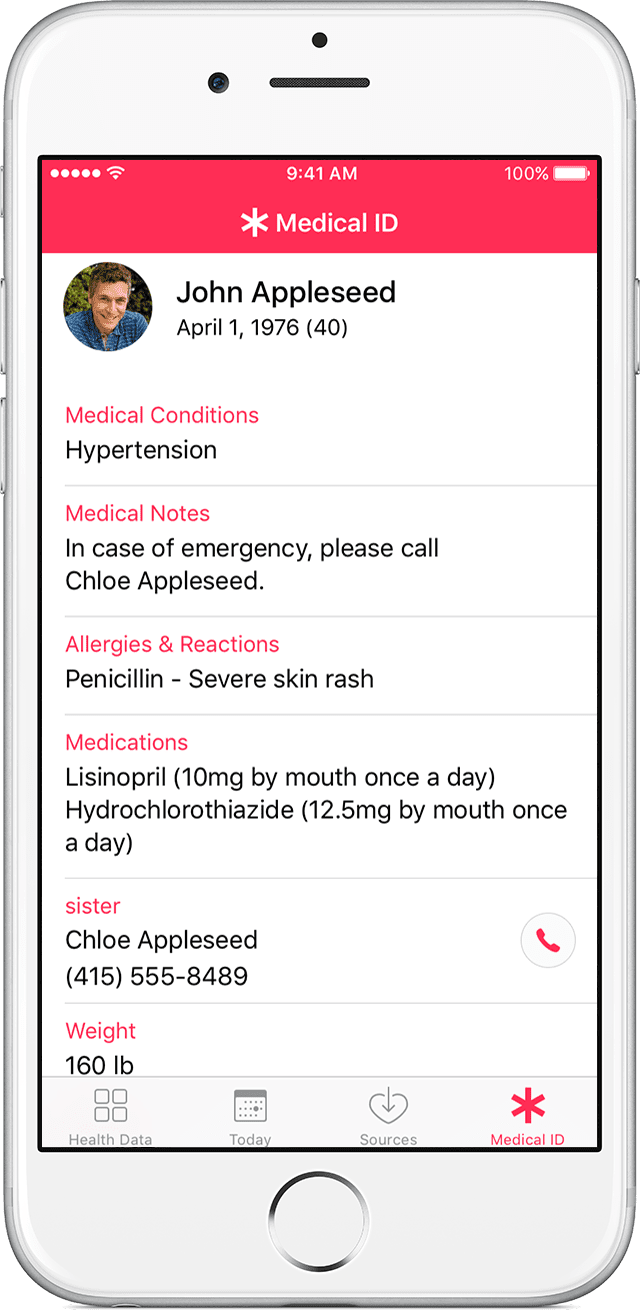
M — Medication – Are they taking any medication, from the doctor or otherwise? What drugs can you find in their bag?
P — Past history – Has this happened before? Do they have a history of, say, heart problems? Any recent operations or diagnoses?
L — Last oral intake – When was the last time they had anything to eat or drink?
E — Events – What events led up to the incident? In their words, what do they think happened to them?
This SAMPLE information is hugely useful to the emergency services when they arrive at the scene, and anything a first aider can do to record this information is going to be a great help. Some of the information might not seem relevant to the injury or illness you are dealing with but will be very useful for the Emergency Services.
Ongoing Monitoring of a Casualty
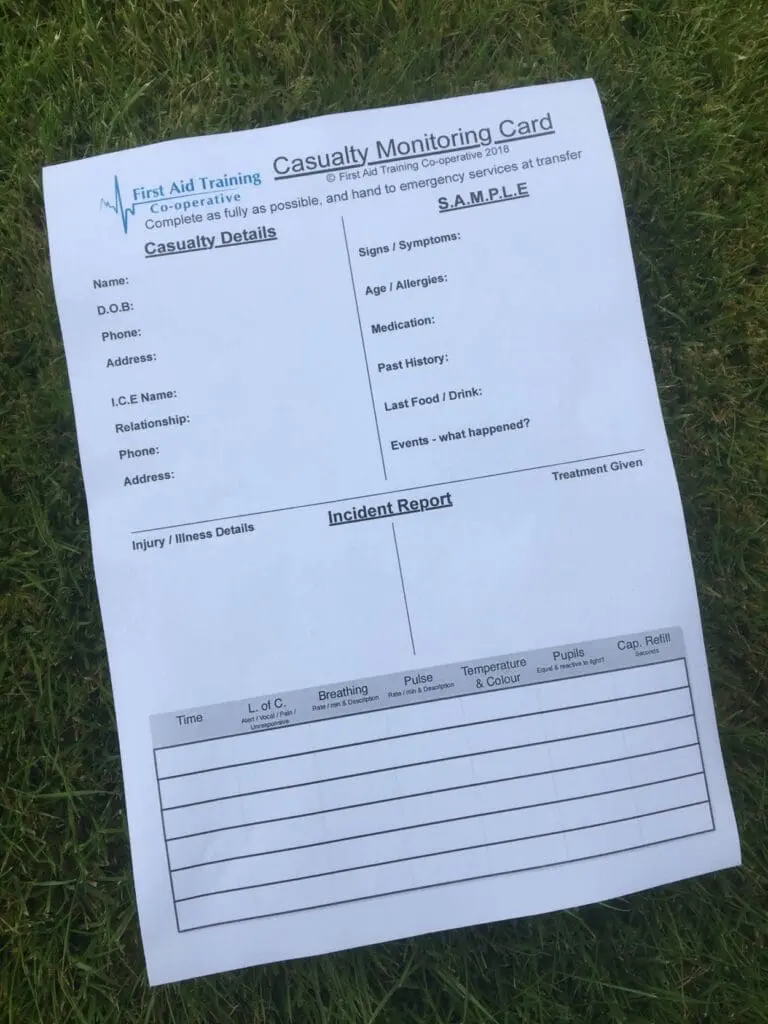
S.A.M.P.L.E. information is usually combined with vital signs monitoring that you have done on a Casualty Monitoring Card, and can relate to either illnesses or injuries. Often, a Casualty Monitoring Card and pencil is carried in a first aid kit, but it can also be as simple as the S.A.M.P.L.E. acronym written on a credit card sized card placed in the first aid kit as an aide memoire. The information can then be written on anything that comes to hand, or taken as a note in a smart phone if nothing else is available, before being passed onto the medical professionals. You can also download our FREE Casualty Monitoring Card from the FREE RESOURCES section on our website.
Of course, ensure that any information you record is held securely and kept confidential. It can be handed over to the Paramedics when they arrive, giving them valuable and useful information about the ongoing condition of your casualty. (Make sure your writing is readable though!)
Watch this video summary of how to monitor a conscious casualty in an urban environment which covers vital signs as well as SAMPLE:
Get confident – get trained!
Knowing what to do BEFORE it happens is essential and attending a first aid course will give you the knowledge and the confidence to deal with many first aid incidents. Our courses are structured to give you confidence in dealing with an incident as well as the competence to do good quality first aid. Find out more about our range of First Aid courses here.
Everyone on our courses receives a FREE digital first aid manual. We have a range of manuals relevant to the courses we teach – Outdoor, First Aid at Work, Paediatric, Equestrian and Sports. They are a great resource that you can download onto your phone or other device and have all that first aid knowledge at your fingertips. You can view them and buy them for less than £5 here.