

Self care for Mental Health First Responders. In today’s fast-paced world, self-care is a necessary practice for maintaining mental and emotional well-being. This is especially true for Mental Health First Responders (MHFRs) who are often on the front line of supporting people in distress. This blog will explore the importance of self-care and share practical strategies to guide you through creating an effective self-care plan.
Why Self-Care is Needed
Self-care is the intentional practice of taking care of your physical, emotional and mental health.
There are several reasons why self-care is essential:
Preventing Burnout: Constant exposure to others’ pain and distress can lead to compassion fatigue and burnout. Engaging in self-care helps mitigate these risks, allowing MHFRs to recharge and remain effective in their roles.
Improving Emotional Resilience: Self-care practices strengthen emotional resilience. This enables MHFRs to cope better with stress and setbacks both personally and professionally.
Enhancing Effectiveness: MHFRs who prioritise self-care are often more present and effective in their roles. Feeling good physically and mentally allows them to provide better support to those in need.
Being a Good Role Model: Practicing self-care sets an example for those they assist. When MHFRs prioritize their well-being, it encourages others to do the same.
Improving Overall Wellbeing: self-care contributes to improved physical health, reduced anxiety and enhanced mood. It allows people to cultivate a sense of balance in their lives.
Statistics on Self-Care
Understanding the impact of self-care is vital, especially for those in high-stress roles like MHFRs.
Here are some statistics that highlight the importance of self-care:
- Mental Health Benefits: Research indicates that engaging in regular self-care activities can reduce stress levels by 30%.
- Physical Health Impact: Individuals who prioritize self-care report a 25% increase in overall well-being and energy levels.
- Burnout Rates: Studies show that employees who engage in self-care are 60% less likely to experience burnout compared to those who do not.
- Improved Job Performance: Practicing self-care can lead to a 50% improvement in job performance and productivity.

Some Practical Self-Care Strategies
Engaging in effective self-care can take many forms. Here are some practical self-care strategies that everyone, including MHFRs, can incorporate into their routines:
Regular Exercise: Aim to establish a consistent exercise routine. Physical activity is a powerful stress reliever and helps boost mood. Whether it’s walking, jogging, golf, yoga or dancing, find something you enjoy and do it regularly.
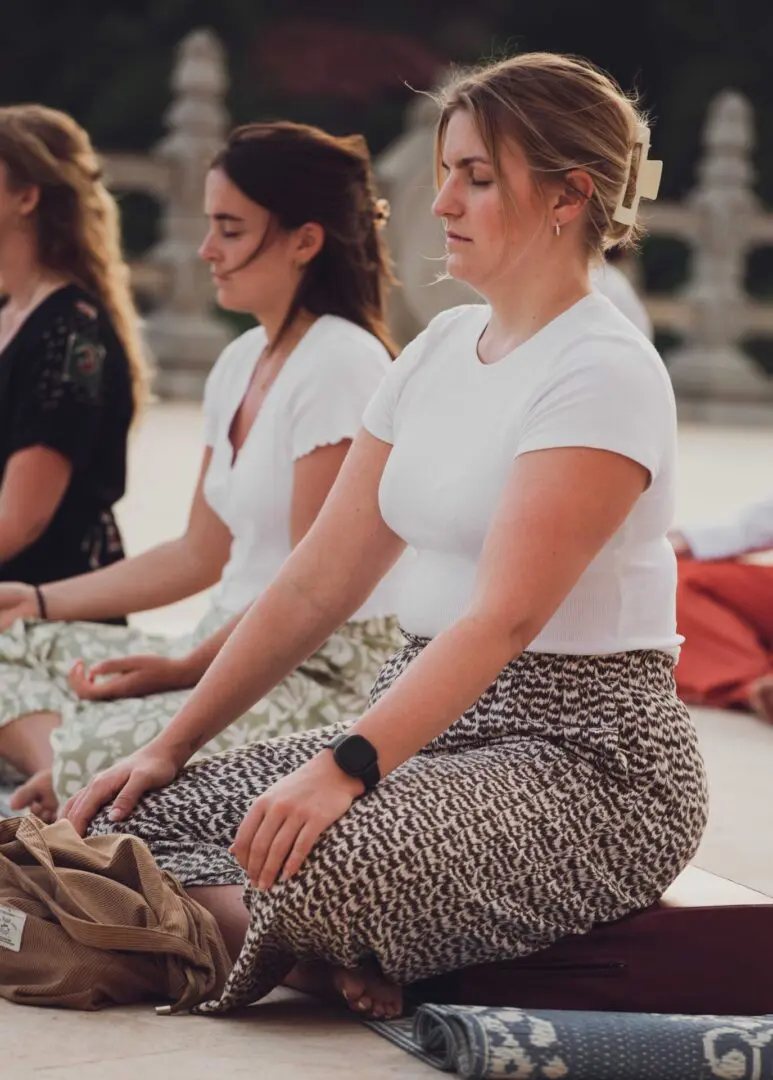
Mindfulness Meditation: Practicing mindfulness can ground you and bring attention back to the present moment. Even dedicating just a few minutes each day can make a difference.
Healthy Eating: Nourishing your body with balanced meals filled with fruits, vegetables, and lean proteins is essential for overall well-being.
Nature Walks: Spend time outdoors. Nature has a calming effect and can help clear your mind. Walking in a park or hiking can be particularly refreshing.
Journaling: Take time to write about your thoughts and feelings. Journaling can help process emotions and articulate concerns.
Supportive Relationships: Nurturing relationships with friends and family provides emotional support and helps combat feelings of isolation.
Scheduled Downtime: Prioritise relaxation and self-care by actually scheduling time in your calendar. Whether it’s reading a book, taking a bath or enjoying a hobby. Make this time a priority and don’t let other activities eat into your planned downtime.
How to Write a Self-Care Plan
Creating a self-care plan can help you stay organised and intentional about your well-being. Here’s how to create one:
Assess Your Needs: Start by identifying areas of your life that need attention. This could include physical health, emotional well-being, social connections and work-life balance.
Set Goals: Write down specific, measurable, achievable, relevant, and time-bound (SMART) goals. For example, “I will walk for 30 minutes three times a week.”
Identify Strategies: Based on your goals, list specific activities you will engage in. This could include exercise routines, mindfulness practices or time with friends.
Create a Schedule: Set aside time in your calendar for your self-care activities. Treat these sessions as non-negotiable.
Monitor Progress: Regularly review your self-care plan. Reflect on what works, what doesn’t, new opportunities and make adjustments to your schedule as necessary.
Seek Support: Share your self-care plan with trusted friends or family members. Their encouragement can help you stay accountable.
The Importance of Self-Care for Mental Health First Responders
Prior to attending any training or engaging with people in distress, it’s crucial for MHFRs to engage in self-care practices. Self-care is essential for:
Mental Preparation: Engaging in self-care helps participants mentally prepare for emotional challenges. Arriving in a grounded state allows individuals to absorb information more effectively.
Emotional Regulation: Self-care promotes emotional regulation, helping participants manage stress and anxiety during challenging situations.
Fostering Connections: Practicing self-care can make individuals more open to forming connections with others, fostering a sense of community and support.
Increased Engagement: When individuals prioritise their well-being, they are likely to engage more fully in discussions, role-playing exercises and group activities thereby enriching their overall training experience.
Conclusion
Self-care is not just a luxury; it is a necessity, especially for those in high-stress roles like Mental Health First Responders. By prioritising self-care, MHFRs can improve their overall well-being, reduce the risk of burnout and provide better support to others. Creating a structured self-care plan will make a significant difference in maintaining mental health and resilience and support.
Want to learn more about Mental Health First Aid?
The First Aid Training Co-operative runs a suite of private first aid courses that can be delivered at your choice of venue, at a time and date to suit you. We’ll come to you and tailor your course to suit your specific situation, based on one of the core course types that we have in our portfolio. We now have a range of courses available for those looking to become Mental Health First Responders in the workplace, raise awareness of mental health amongst their staff plus specialist mental health training for outdoor professionals. Check out our mental health first aid course suite.