
It’s Time To Adapt Your First Aid Kit For Cold Weather!
Updated December 2025
The drop in temperature and shorter daylight hours means that winter is here. In Scotland, we’re really starting to notice the lack of evening daylight, and the frost and snow arrived a while ago. So how does that affect our first aid treatments, and what things might we choose to add to our usual kit to make life a bit easier?
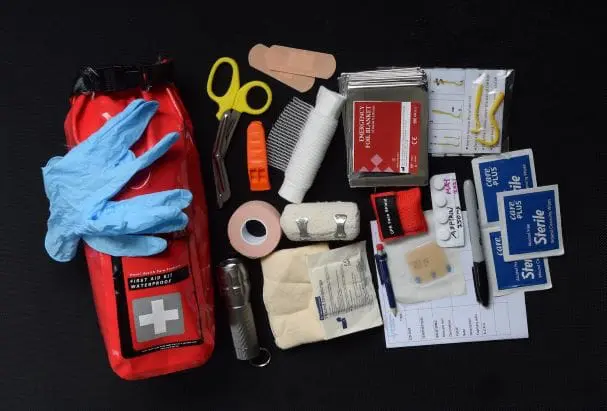
As first aiders, we should consider what additional equipment we may need in the colder months. Outdoor first aiders should have their kit winter ready including foil blankets, group shelters and other equipment. A sports first aider may consider extra foil blankets and making sure that the first aid room at the club is warmed up before a match starts. In a workplace setting, first aiders should consider extra foil and/or or fleece blankets, depending on their location and workplace settings. For more general tips on first aid kit contents, visit this blog.
Seven Tips for getting you and your first aid kit winter-ready:
1. Staying warm in winter:
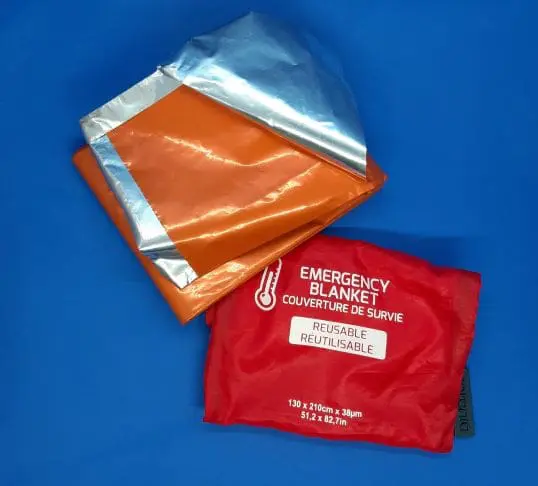
The most obvious thing that we are going to need to consider is the air temperature. Casualties especially, but rescuers and any bystanders too, get cold quickly during the winter months. A drop in core temperature in a casualty is potentially very dangerous. When we have an injured casualty, keeping them warm at any time of the year is important as their body’s natural response to injury may lead to shock which concentrates their heat in the core – brain, heart lungs and other vital organs.
In winter, considering the warmth of the casualty should be an increased priority, especially for the previously active casualty who isn’t wearing a lot of clothes. Insulate and shelter is something we always stress on our Outdoor First aid courses. This is primarily insulating them from the cold ground or floor and sheltering them from the cold environment. Giving your casualty a foil blanket to wrap around themselves and preserve heat will go a long way to improving their state of mind too, so once you’ve carried out a primary survey, I’d get them wrapped up before continuing with a more time-consuming secondary survey.
Insulating a casualty from the ground is also very important and can be done in a number of ways. Have a think about how you might do that in your chosen activity and practice it with a friend before you need to try it for real. For example, if they are conscious and can ‘bum shuffle’ onto a mat, empty rucksack or bed of dry branches, it will help a lot in terms of insulating them from the cold hard ground. Then get them wrapped up with a blanket or extra clothing.
2. Night visibility in winter.
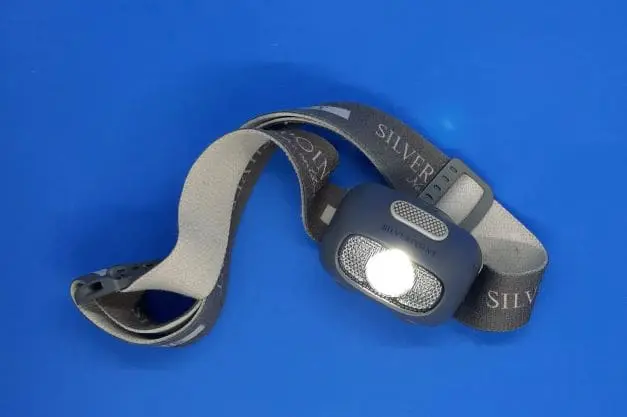
It’s incredible how quickly time passes when an incident happens, and the night seems to draw in extremely quickly when you don’t have a light source, so a head torch can be a literal lifesaver. Having a light source so you can monitor your casualty is a great aid to reassuring your casualty – and the fact that your casualty can see you is also helpful.
3. Emergency communications in winter:
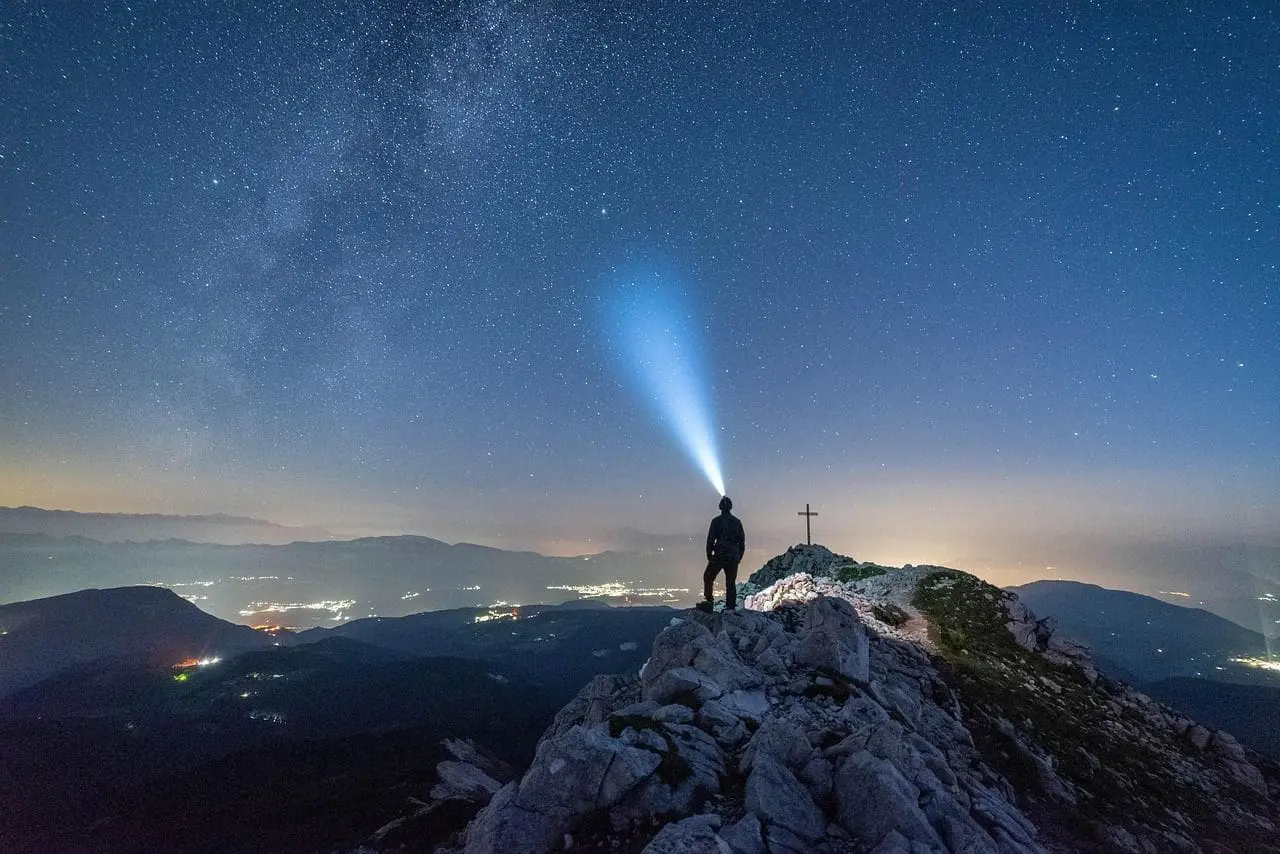
International Distress Signalling – Your torch can also be used to signal for help. Put it on its brightest setting and cover the light to signal SOS by exposing the light to the pattern of short,short,short – long,long,long – short, short,short. Another internationally recognised mountain distress signal is six short flashes with your torch. Some torches have a setting that will do this automatically. Your torch on your phone, however, may not be strong enough to travel very far. You can also do these same distress signals with a whistle as the sound will attract someone’s attention without them having to be looking directly at your torch. A proper outdoor whistle will carry quite a distance.
Text for help – With limited battery power or signal, don’t forget you can always TEXT 999. You need to preregister your phone number in order to use this facility but it is quick and easy to do. Find out how to do it through this link.
4. Food as fuel in winter:
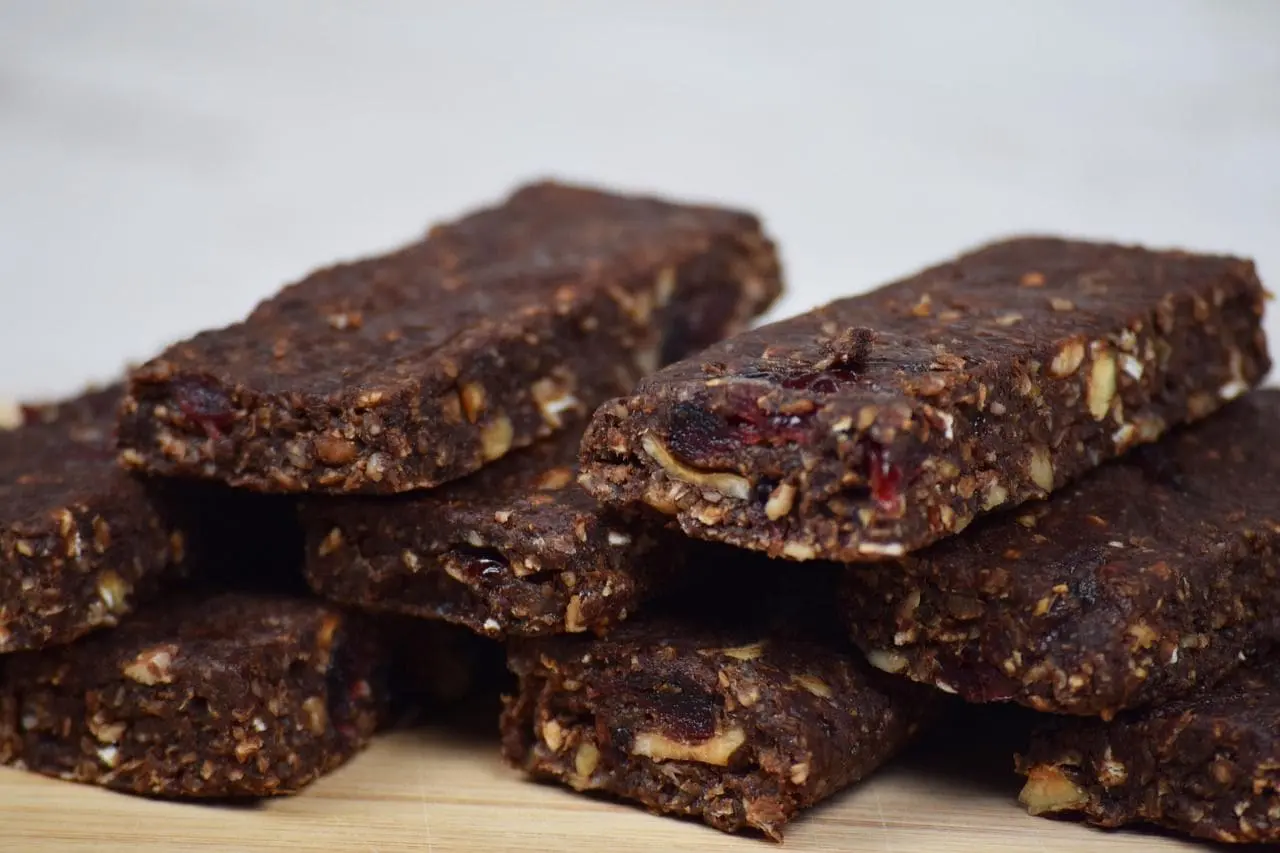
Food is also very important for keeping people warm. A body needs to burn fuel to generate heat so giving it some fuel (i.e. food) will go a long way to helping maintain a more stable core temperature. High-energy carbohydrate bars are a good addition to your kit as they have a long sell by date and give plenty of Kcals per bite. Don’t forget water too as you’ll still ned to stay hydrated, even in the cold.
5. Keeping your group warm in winter:
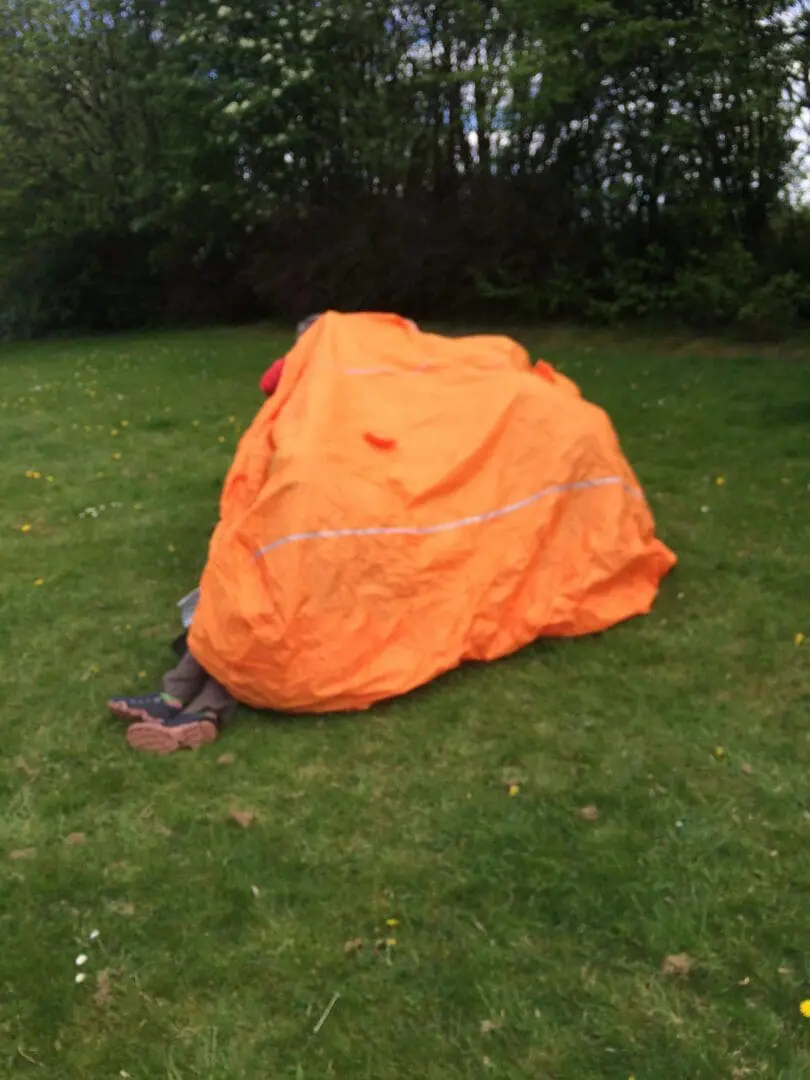
A group shelter is a great piece of kit to have at any time of the year but it really benefits you in winter, whether it can be used to give a break from the weather or when you need to deal with a casualty. Group shelters come in different sizes ( 2 person up to 24 person sizes) and we find the 2 person shelter is a good size for you and a casualty. It warms you both up pretty quickly and keeps you dry and out of the wind. Like all emergency equipment for the mountains, it is bright orange so emergency services – and passing walkers who might help – can spot you easier. They crunch down into a carry bag that’s not too big as well. People on our courses always remark how quickly they warm up inside one.
6. Keep powered up!
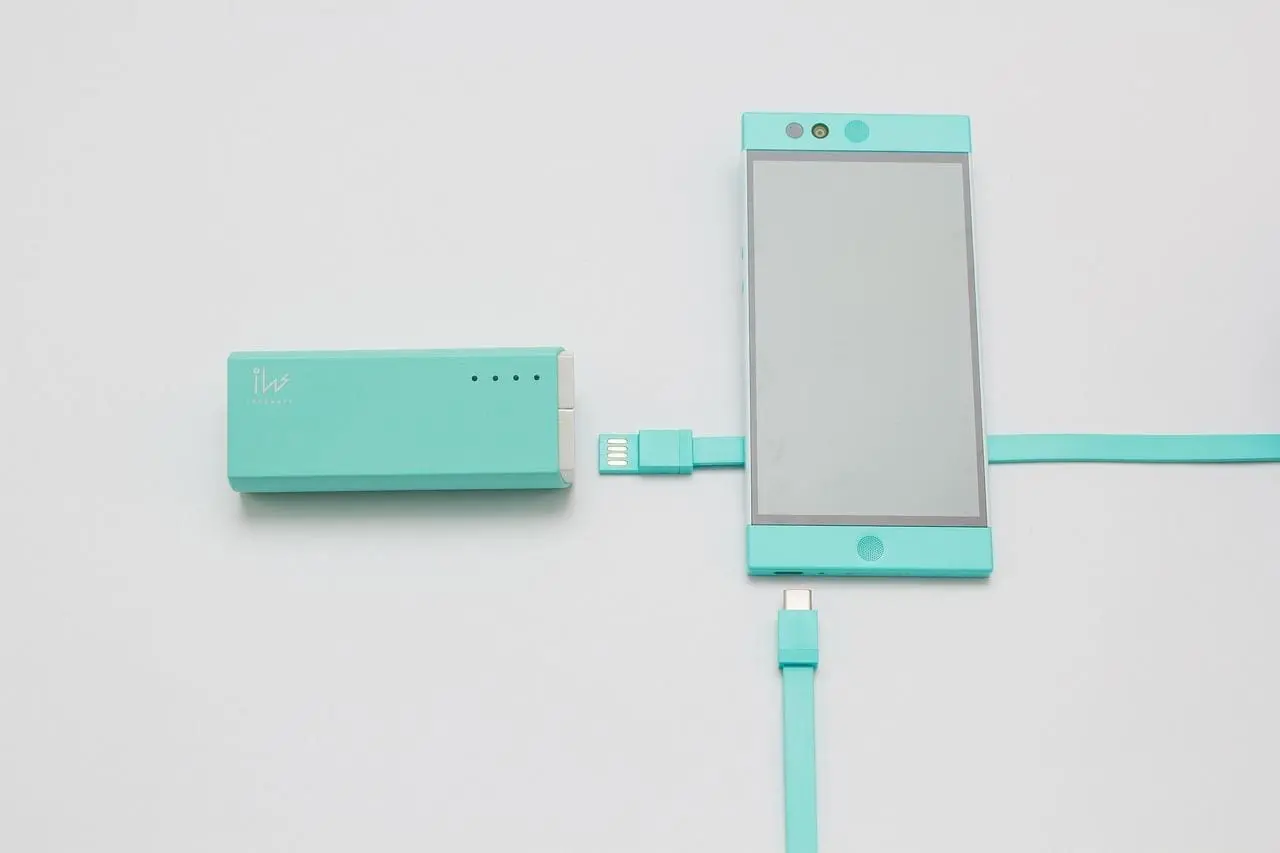
With so much reliance on battery powered equipment – mainly phones and torches – it is important to consider your battery budget in the event of an emergency. Some people carry small Power banks or use solar powered packs on their rucksacks. There are lots of different sizes, costs and weights of power back ups available today. As with all battery packs, it’s important to keep them warm so the battery doesn’t drain. Also, check they’re fully charged before you set out if you haven’t used them for a while.
7. What if?…
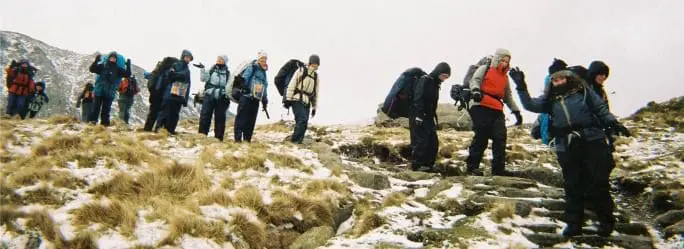
Don’t forget about the most important person in an emergency scenario – you! Keep yourself, and any other companions warm, dry and occupied. Forward planning is always beneficial if you regularly go out as a group of friends or as a club. We encourage folk to consider all the ‘What If’s in their activities. For example, half way up a hill, ask yourselves, what if one of us fell and sustained a head injury…. here – now – what would we do?; Do we have the kit to deal with their injuries? Do we have the skills and knowledge; how should we respond as a group – who does what?
Get sorted for winter – now
Hopefully that gives you some ideas and, as with any incident, it’s the planning before hand that has the most positive influence on the outcome. So use a warm sunny afternoon to check through your first aid kit and make sure you’re prepared for the cold weather ahead. And consider those “What If’s” as part of your pre-planning and ensure you’re well prepared for an enjoyable day’s activity this winter.
Enjoy the winter – confident that you’ve covered all the bases with your first aid and other equipment.
Get confident – get trained!
The best way to feel confident about dealing with any first aid incident is to take a specialist first aid course. To find out which first aid course is best for you check our range of courses courses here.
Everyone on our courses receives a FREE digital first aid manual. We have a range of manuals relevant to the courses we teach – Outdoor, Equestrian, First Aid at Work, Paediatric and Sports. They are a great resource that you can download onto your phone or other device and have all that first aid knowledge at your fingertips. You can view them and buy them for less than £5 here.