
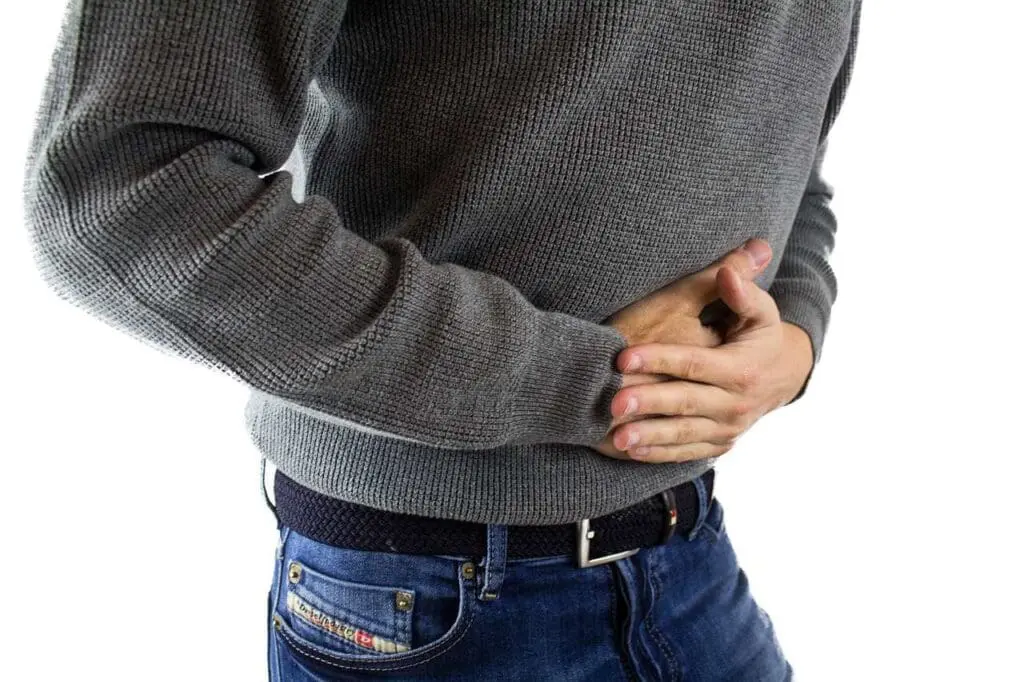
Cryptosporidium, often referred to simply as “crypto,” is a microscopic parasite that causes the diarrheal disease cryptosporidiosis. This parasite is found in water, food, soil, or surfaces contaminated with infected human or animal faeces.
Let’s dive into what Cryptosporidium infections are, what causes it, its signs of infection, and how to administer first aid treatment.
What is Cryptosporidium?
Cryptosporidium is a protozoan parasite that infects the intestines of humans and animals, leading to the illness known as cryptosporidiosis. This disease is a common cause of waterborne illness worldwide and can spread through ingestion of contaminated water or food, or through contact with contaminated surfaces.
Causes of Cryptosporidium Infection



The primary cause of cryptosporidiosis is ingesting the parasite’s oocysts (a hardy form of the parasite) from contaminated sources. The main sources of contamination include:
- Contaminated Water: Drinking or recreational water (like swimming pools and lakes) can be contaminated with Cryptosporidium, especially if proper sanitation and filtration are not maintained in the surrounding area.
- Contaminated Food: Food can become contaminated through improper handling, washing with contaminated water, or exposure to contaminated surfaces.
- Person-to-Person Contact: Direct contact with infected individuals can spread the parasite, especially in settings like day care centres or among family members.
- Animal Contact: Handling infected animals or coming into contact with their faeces can lead to infection. this can include farm gates, public toilet blocks etc.
Signs and Symptoms of Cryptosporidium Infection
The symptoms of cryptosporidiosis typically appear within 2 to 10 days after exposure to the parasite. Common signs and symptoms include:
- Diarrhoea: Often watery and severe, leading to dehydration.
- Stomach Cramps: Abdominal pain and cramping.
- Nausea and Vomiting: Sometimes accompanied by a loss of appetite.
- Fever: Mild to moderate fever.
- Weight Loss: Due to severe diarrhoea and loss of appetite.
- Dehydration: From excessive fluid loss through diarrhoea.
Symptoms can last from a few days to two weeks in healthy individuals but can be more severe and prolonged in people with weakened immune systems.
First Aid for Cryptosporidium Infection
While there is no specific cure for cryptosporidiosis but symptoms can be managed with supportive care. Here are five key steps for first aid treatment:
1. Hydration
- Rehydrate: Ensure the infected person drinks plenty of fluids to prevent dehydration. Oral rehydration solutions (ORS) are particularly effective.
- Avoid Dehydrating Drinks: Avoid caffeine, alcohol, and sugary beverages which can worsen dehydration.
2. Rest and Comfort
- Rest: Encourage plenty of rest to help the body recover.
- Comfort Measures: Use over-the-counter medications like paracetamol for fever and pain relief.
3. Diet Adjustments
- Bland Diet: Start with a bland diet (for example the BRAT diet – bananas, rice, applesauce, toast) as the person begins to feel better.
- Avoid Irritants: Avoid dairy products, fatty foods, and spicy foods which can irritate the stomach.
4. Medical Attention
- Seek Medical Help if symptoms are severe, persistent, or if the infected person has a weakened immune system, seek medical attention. Doctors may prescribe medications like paracetemol to reduce the severity and duration of symptoms. It’s important to take the complete dose over time and not stop just because your symptoms ease.
- Monitor for Complications. Watch for signs of severe dehydration or other complications that may require hospitalisation.
5. Preventive Measures
- Hygiene Practices: Wash hands thoroughly with soap and water after using the bathroom, before eating, and after handling animals.
- Water Safety: Avoid swallowing water from pools, lakes, or other recreational water sources. Use safe drinking water practices.
- Food Safety: Wash fruits and vegetables thoroughly, and ensure food is cooked properly.
Conclusion
Cryptosporidiosis can be an unpleasant and potentially serious infection, but with prompt and effective first aid treatment, most healthy individuals can recover without complications. Prevention through good hygiene, safe food, and water practices is key to avoiding infection. If symptoms are severe or if you are at higher risk of complications, seeking medical attention is crucial for proper care and recovery.
Stay informed and stay safe!
Get confident – get trained!
We cover environmental hazards and illnesses in our Outdoor First Aid courses. You can find out more about our courses here.
Everyone on our courses receives a FREE digital first aid manual. We have a range of manuals relevant to the courses we teach – Outdoor, Equestrian, First Aid at Work, Paediatric and Sports. They are a great resource that you can download onto your phone or other device and have all that first aid knowledge at your fingertips. You can view them and buy them for less than £5 here.