

Signs and Treatment of Psychosis: Schizophrenia and Bipolar Disorder
Psychosis is a severe mental health condition in which individuals lose touch with reality, experiencing delusions, hallucinations and disordered thinking. It is a common feature in mental health disorders such as schizophrenia and bipolar disorder. Understanding the signs, causes and treatment options for psychosis is crucial for providing the right support. This blog will explore the key aspects of psychosis, how it feels for those affected and the role of a Mental Health First Responder when responding to a casualty having a psychotic episode.
What is Psychosis?
Psychosis is a state in which a person’s perception of reality becomes distorted. This can involve hallucinations (seeing or hearing things that aren’t there), delusions (strong beliefs that are not based in reality) or profound disorganised thinking. Psychosis can be triggered by various factors, including mental health disorders, trauma, substance abuse and even physical health conditions.
The most common disorders involving psychosis are:
Schizophrenia: A chronic mental health disorder where individuals experience episodes of psychosis, disordered thinking, and lack of motivation. Schizophrenia often affects how a person perceives reality. Schizophrenia itself is the main term but it comes with many additional diagnoses, e.g. Paranoid Schizophrenia. Practitioners often take the most dominant symptom and tag it onto Schizophrenia, but it really is just Schizophrenia. It is a bit of a spectrum of disorders.
Bipolar Disorder: A mental health condition characterized by extreme mood swings between manic (high) and depressive (low) states. Psychosis can occur during severe episodes of mania or depression, causing delusions and hallucinations. Bi-polar is only included in the Psychosis because in the manic phase the person may have a psychotic episode and develop similar symptoms of schizophrenia such as delusions, visions or paranoia.
The main symptoms of bipolar disorder are episodes of extreme highs (mania) and lows (depression), which can last for several weeks. Treatments for bipolar disorder include medicines and talking therapies.
A psychotic experience can also occur at other times such as:
- Extreme stress or abuse
- Head injuries
- Serious physical illness, e.g. casualties in an Intensive Care Unit
- Infections in elderly people
- High temperatures in children
Statistics on Psychosis
According to the World Health Organization (WHO), Schizophrenia affects about 1% of the population worldwide.
Around 3% of people will experience a psychotic episode at some point in their lives, either due to schizophrenia, bipolar disorder, or other conditions.
Bipolar disorder affects about 2.4% of the U.K. adult population annually, with a significant percentage experiencing psychosis during manic or depressive episodes.
According to the National Institute of Mental Health (NIMH), individuals with schizophrenia have a life expectancy 10–25 years shorter than the general population, often due to complications from untreated psychosis.
What Are the Signs of Psychosis?
Psychosis can manifest differently depending on the individual, but the most common signs include:
Hallucinations:
• Hearing voices that are not there (auditory hallucinations).
• Seeing things that others cannot see (visual hallucinations).
• Experiencing sensations that have no physical cause (e.g., feeling something crawling on the skin).
Delusions:
• Believing in things that are clearly false or irrational, such as believing one has superpowers or is being persecuted by others, commonly described as ‘losing touch with reality’.
Disorganised Thinking:
• Speech may be jumbled or incoherent, making it difficult to follow the person’s thoughts.
• The person may jump from one topic to another with little logical connection.
Emotional Changes:
• Rapid mood changes, becoming very irritable, agitated or unresponsive.
• Withdrawal from social situations and relationships.
Behavioural Changes:
• Risky or erratic behaviour, such as neglecting personal hygiene, sleep, and nutrition.
• Becoming paranoid or suspicious of others.
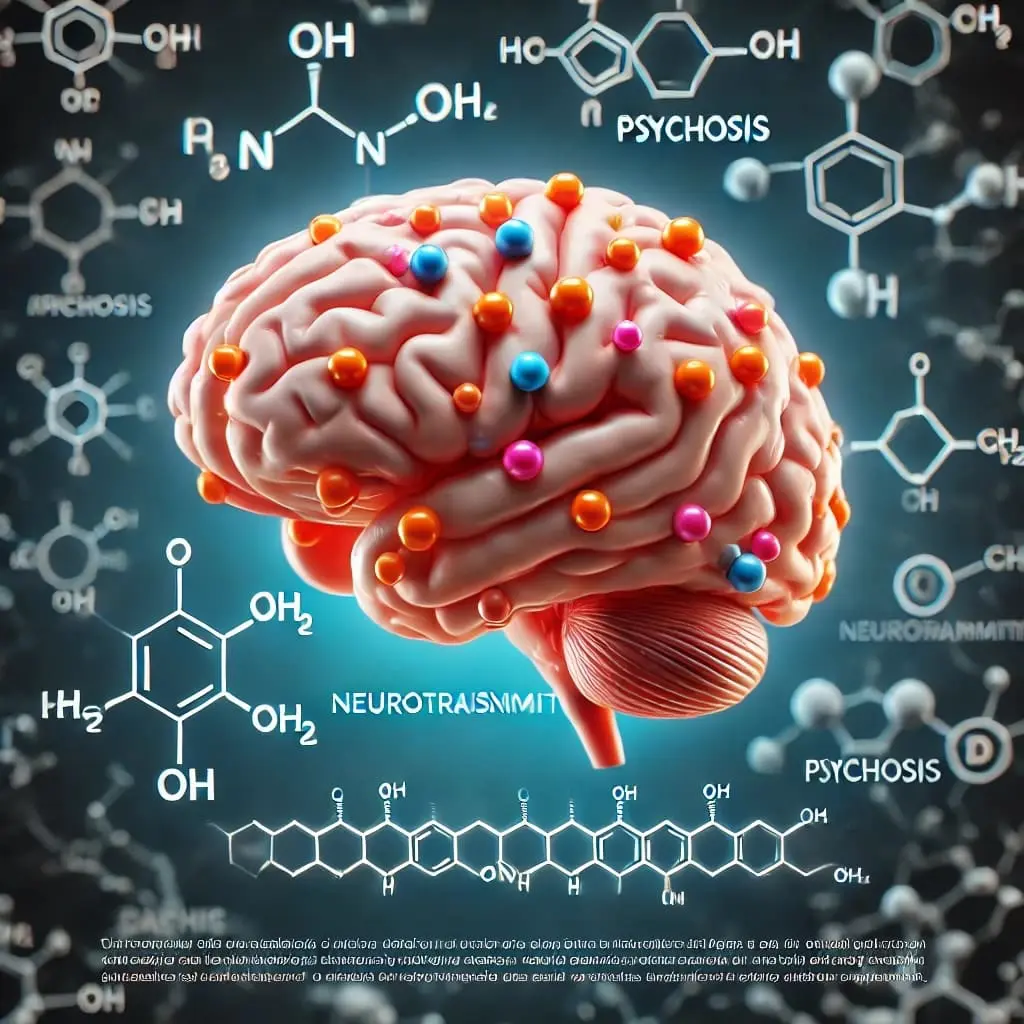
What is Going on in the Brain During Psychosis?
Psychosis is caused by abnormal brain function and several factors can contribute to its onset:
Chemical Imbalance: Imbalances in neurotransmitters, especially dopamine and serotonin, are often linked to psychotic episodes. These neurotransmitters are responsible for regulating mood, perception, and emotions. Excess dopamine in certain areas of the brain, such as the limbic system, can cause hallucinations and delusions.
Brain Structure: Studies have shown that people with schizophrenia and other psychotic disorders may have structural changes in their brains. These include abnormalities in the prefrontal cortex (responsible for reasoning and judgment) and the hippocampus (responsible for memory formation).
Genetic Factors: Psychosis tends to run in families, suggesting a genetic component. However, environmental factors such as trauma or drug use can also play a significant role.
Triggers: Stress, trauma, lack of sleep, or substance use (especially cannabis and hallucinogenic drugs) can trigger psychosis, even in individuals who do not have a psychotic disorder.
How Does the Person with Psychosis Feel?
Experiencing psychosis can be deeply distressing and confusing. Individuals going through psychosis often feel isolated, frightened and disconnected from reality. Here’s how they might feel:
Fear and Paranoia: During a psychotic episode, people may believe that others are out to harm them, leading to intense fear and paranoia. They may be convinced that they are being followed or that someone is controlling their thoughts.
Confusion: Hallucinations and delusions make it difficult for the person to distinguish between what is real and what is not. This confusion can cause them to make irrational decisions, withdraw from others or act in unexpected ways.
Emotional Distress: The experience of being detached from reality is emotionally overwhelming. The individual might feel like they’re losing control over their mind and emotions, leading to anxiety, depression or even suicidal thoughts.
Physical Reactions: Some people experience a lack of motivation or physical energy, while others may have rapid heart rates, sweating or muscle tension due to paranoia or anxiety.
What Would You SEE as a Mental Health First Responder?
If you are a Mental Health First Responder responding to someone experiencing psychosis, you may observe several key behaviours:
- Disorganised Speech: The individual may have difficulty staying on topic, or their speech may be fragmented, making it hard to follow their thoughts.
- Agitation or Aggression: They may seem distressed, pacing around or becoming agitated. They could perceive your attempts to help as a threat.
- Paranoia: The person may accuse others of watching them, following them or trying to control their thoughts. They might be extremely suspicious and distrustful.
- Hallucinations or Delusions: They may talk about things that don’t make sense or respond to things that aren’t there, like hearing voices or seeing people.
- Withdrawal: In some cases, the person may become withdrawn or non-responsive, refusing to engage in conversation.
- Sleep Pattern: They sleep during the day, come out at night to eat when no one else is around. 40% of people with the condition report heavy alcohol use. It is the only thing that shuts the voices up so they can sleep or get some peace. The problem with alcohol is that it interferes with REM sleep so they might get to sleep but it feels like they have not slept and extreme tiredness results.

What Do You DO as a Mental Health First Responder?
As a mental health first responder, your role is to provide immediate support, help the person stay safe, and guide them toward professional help. Here’s how you can help:
- Stay Calm: It’s essential to remain calm and composed, even if the person is agitated. Speak slowly and clearly, using a soft tone to avoid escalating the situation.
- Reassure Them: Let the person know that they are not alone, and that help is available. Reassure them that they are safe, but avoid contradicting their hallucinations or delusions outright, as this may increase their distress.
- Use Open-Ended Questions: Encourage them to share how they’re feeling by asking open-ended questions like, “Can you tell me more about what’s happening right now?” This shows that you are listening and not dismissing their experience.
- Provide a Safe Space: Try to move the person to a quieter, calmer space where they feel safe and less overwhelmed by stimuli.
- Seek Professional Help: If the situation is urgent, seek immediate medical attention. Psychosis is a medical emergency that often requires the intervention of mental health professionals, medication or hospitalisation.
- Don’t Overload Them: Avoid giving too much information or asking too many questions. Keep things simple and avoid confronting or challenging their beliefs.
Treatment Options for Psychosis
Effective treatment for psychosis usually involves a combination of medication, therapy, and support:
Antipsychotic Medication: Medications such as Risperidone, Olanzapine, or Haloperidol are often prescribed to help reduce hallucinations, delusions, and disordered thinking by balancing neurotransmitters in the brain.
Cognitive Behavioural Therapy (CBT): This form of therapy helps individuals challenge their delusions and develop better coping strategies to manage their thoughts and emotions.
Psychosocial Support: Support from family, friends or mental health support groups can significantly improve recovery. Psychosocial interventions, such as teaching coping skills and building social support networks, are crucial for long-term management.
Hospitalisation: In severe cases, the person may need to be hospitalised to ensure their safety and stabilize their mental health with intensive care.
Want to learn more about Mental Health First Aid?
The First Aid Training Co-operative runs a suite of private first aid courses that can be delivered at your choice of venue, at a time and date to suit you. We’ll come to you and tailor your course to suit your specific situation, based on one of the core course types that we have in our portfolio. We now have a range of courses available for those looking to become Mental Health First Responders in the workplace, raise awareness of mental health amongst their staff plus specialist mental health training for outdoor professionals. Check out our mental health first aid course suite.