

A guest blog from Brian Glass and Rachael Spiers from Changes East Lothian.
There can be huge benefits to not working in an office/lab/workplace either all the time or as a blend. There are also downsides, it can cause some severe or troubling mental health issues. If we can eliminate or mitigate the downsides, we can develop a better, healthier lifestyle.
In this blog we will show you what to look out for, how to help yourself and give you some tools to help combat poor mental health sometimes associated with remote/home/hybrid working practices.
Isolation and Loneliness

Probably the most common issue. In Maslow’s hierarchy of needs the human need for connection runs through the entire pyramid. According to Maslow, humans possess an effective need for a sense of belonging and acceptance among social groups, regardless of whether these groups are large or small; being a part of a group is crucial.
What lockdown in 2020/21 taught us about that need for connection is that it is even more basic than first thought. We need acceptance (being part of a group and knowing that we are part of the group) and recognition (acknowledgement that we are actually alive and perceived by others).
What we realised was that our brains, as great as they are, tend not to count family as those who can give us the ones to validate that we are alive. Our brains have a tendency to count our more intimate relatives (partners and children) as just being part of us, therefore it discounts them from giving us the acceptance and recognition we psychologically need. Things we would normally get from daily commutes where people see us and can make eye contact or acknowledge verbally (or otherwise) that we are there. Even just being in the place of work and raising our head, seeing and being seen, gives us that acceptance and recognition.
Lack of in-person interaction can leave people feeling disconnected, which may lead to depression or anxiety.
What helps:
- Schedule regular virtual check-ins (not on the phone) or coffee chats with colleagues. These would normally happen in the workplace (water cooler or kettle ‘moments).
- Work from cafes or shared spaces occasionally if possible and it does not compromise GDPR.
- If out and about working or walking remotely acknowledge passers-by, a quick ‘hello’, ‘morning’, or ‘afternoon’ is sufficient. Anything to get some kind of reaction from them. You do not have to have a huge conversation or spend hours talking about life, the universe and everything. What you are looking for is that they see you and acknowledge you. That can give your brain the confirmation that you are alive!
- Managers should check in with team members on a regular basis. Work out what is best for each individual member of the team.
- It can also be useful to have remote workers involved in regular planning meetings and feedback meetings to help them feel as involved with other workers as possible.
Blurred Work-Life Boundaries
Without a physical office, it’s easy to let work spill into personal time, leading to burnout. It can be difficult for some to make distinctions between workplace and personal space when working from home. However, it is crucial for us to make that distinction however creatively. We also have to remember that all the workplace practices around health and safety still apply when working from home. So – proper chairs, desks and screen rules still apply.
What helps:
- Create a designated workspace. Even if you have to set up and take down as the space may also be used as a leisure space.
- Set clear working hours and stick to them.
- If possible or needed, create a separate log-in for work and personal use.
- ‘Commute’ to your workspace and log on. Log off and “commute” home. Do something that indicates the start of the working day (either a walk or routine to signal the start/end) and the end of the workday.
- Try to avoid home life distractions (putting a washing on/hanging washing up, washing dishes, tidying up etc.) during working times.
Increased Stress & Burnout
Working from home or remote working can lead to a sense of ‘I must work harder and produce more’ – they call it ‘overcompensating’ – so that no one ‘thinks’ I am skiving. This can lead to working longer and harder than we would normally and that builds up stress.
What helps:
- Take regular breaks e.g. the Pomodoro time management technique can help. Regular breaks would normally happen in the worplace and remember that screen time breaks should also be factored in.

- Use planned time off — don’t skip taking days off just because you’re home. Do not ‘just do work stuff’ on days off because you are ‘at a loose end’.
- Talk to your manager about workload or boundaries issues. Discuss expectations and practicalities. Be honest.
Communication Strain
Digital communication is notorious for causing stress and anxiety due to misunderstanding. Something communicated in what seems a ‘good’ way can be perceived by someone else in a totally different way. And that works both ways between communicants. We can all misunderstand or misread intentions in emails and texts. We need to be aware that such miscommunications can cause frustration or anger that leads to conflict and finally to stress and anxiety.
What Helps:
- Be proactive and clear in written communication.
- Use video calls when nuance matters or there is a strong possibility of misunderstanding.
- Ask for clarification instead of stewing in uncertainty or ‘flying off the handle’.
Lack of Motivation or Structure
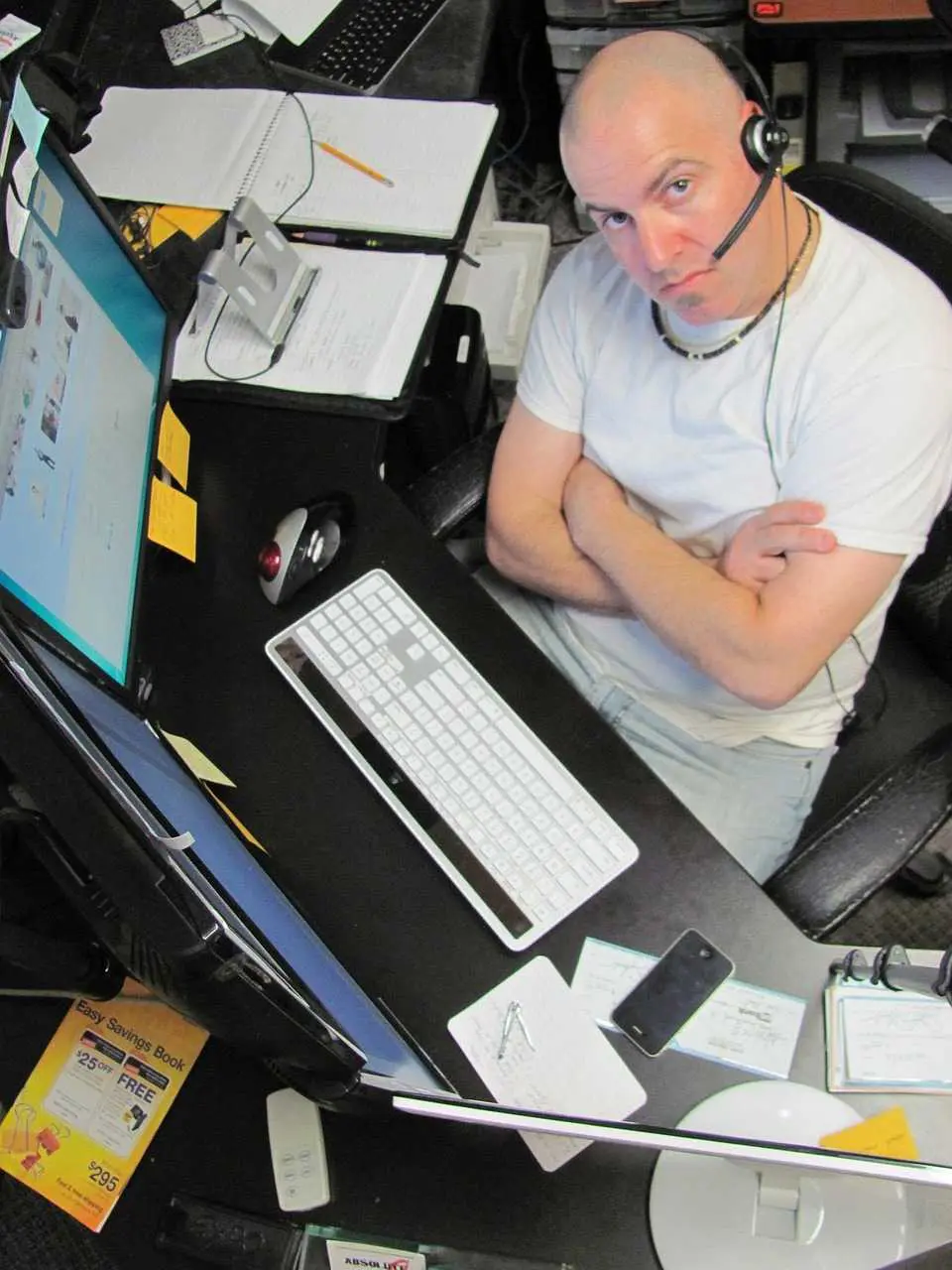
Some people struggle with self-discipline in unstructured environments, which can spiral into anxiety or feelings of inadequacy. It must be said that not everyone can work from home or do hybrid working. This needs to be acknowledged and steps taken to find a better compromise.
What helps:
- Stick to a routine (wake-up time, work blocks, meals).
- Use tools like task lists, time-blocking, or productivity apps.
- Celebrate small wins to boost morale.
- Do not be afraid to have conversations with managers/staff/colleagues if you are struggling. Help-seeking behaviour is a strength and not a weakness. Home or Hybrid Working is not for everyone.
ZOOM/TEAMS Fatigue (yes, it is a thing!)
Spending all day on video calls can be draining mentally and physically. Video calls require a greater level of concentration from everyone as we are not physically ‘present’ with the people on the call. Our peripheral vision does not really work the same way and we miss out on the non-verbal clues and indicators (which can be up to 80% of normal communication) when on these calls. Our brains work harder in these circumstances and that tires us out more.
What helps:
- Switch some meetings to phone calls or in-person.
- Schedule screen-free breaks during the day.
- Avoid back-to-back meetings when possible.
- Ask to turn off your video or microphone if needed when it has been necessary to have multiple meetings
Outdoor Remote Working

Those who work in non-traditional office settings, often solitary or outdoors require tailored strategies that address their unique challenges. Here are seven effective approaches to consider. All of these strategies can create a supportive environment that addresses the unique challenges faced by outdoor remote workers, promoting their mental health and overall well-being.
1. Establish Clear Communication Channels
Regular Check-Ins: Schedule consistent virtual meetings or phone calls to discuss work progress, address concerns, and provide support. This helps maintain a sense of connection and ensures that outdoor workers feel engaged with the team.
2. Promote Work-Life Balance
Flexible Scheduling: Allow outdoor workers to set flexible work hours that align with their personal lives and the demands of their work environment. This flexibility can reduce stress and prevent burnout.
3. Provide Mental Health Resources
Access to Support Services: Offer resources such as Employee Assistance Programs (EAPs) that provide confidential counselling and support for mental health challenges. Ensure that outdoor workers are aware of these services and know how to access them.
4. Physical Activity
Integrate Breaks into Work: Recognise that outdoor work often involves physical activity, which can positively impact mental health. It can also be exhausting. Encourage workers to take breaks from physical activity and provide resources or incentives to support their well-being.
5. Foster Social Connections
Virtual Social Events: Organise online gatherings or interest-based groups to help outdoor workers connect with colleagues, share experiences, and build a sense of community. This can alleviate feelings of isolation.
6. Provide Training and Development Opportunities
Skill Enhancement: Offer training programs that focus on both professional development and personal well-being. This can empower outdoor workers and enhance their job satisfaction.
7. Recognise and Appreciate Contributions
Acknowledgment: Regularly acknowledge the hard work and dedication of outdoor workers. Recognition can boost morale and reinforce their value to the organisation.
Want to learn more about Mental Health First Aid?
The First Aid Training Co-operative runs a suite of Mental Health First Aid courses that have been developed in conjunction with Changes East Lothian, the authors of this blog. Our courses can be delivered at your choice of venue, at a time and date to suit you. We’ll come to you and tailor your course to suit your specific situation, based on one of the core course types that we have in our portfolio. We now have a range of courses available for those looking to become Mental Health First Responders in the workplace, raise awareness of mental health amongst their staff plus specialist mental health training for outdoor professionals. Check out our mental health first aid course suite.