
An acronym is a word or name formed as an abbreviation, created from the initial letters of a phrase or a word. The first aid world uses many acronyms to help us remember different treatments. In this series we have explained the meanings of the most common first aid acronyms to help you avoid confusion!
P.E.A.R.L.
The first aid acronym PEARL is used when assessing head injuries and brain function.
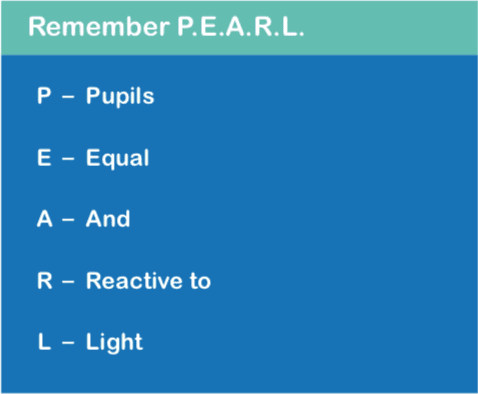
PEARL stands for Pupils Equal And Reactive to Light.
When a casualty’s eyes are opened, or a light shone in them, their pupils should respond to the light by shrinking. If they don’t react, or react unequally, then there is likely to be a problem which is causing the brain to not function correctly.
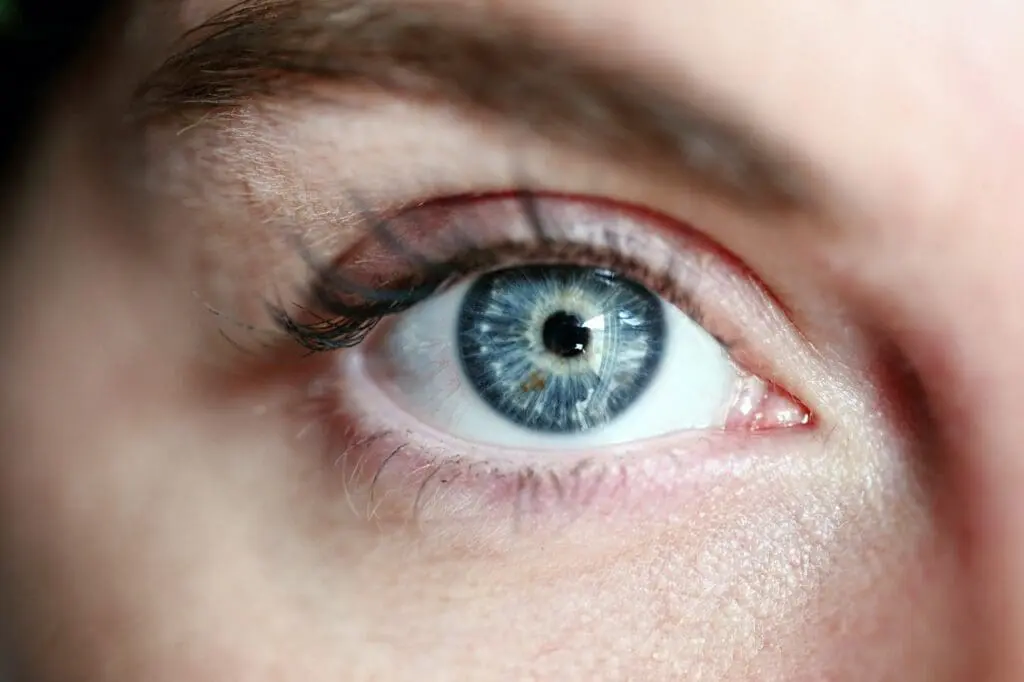
The pupils are the black parts of the eye that control how much light enters the eye by changing size. In dark situations, they are larger to allow more light in. In very bright situations, they are smaller.
To asses this you can ask a conscious casualty to close their eyes for a few moments, then open them – you can then observe their pupils reacting accordingly. You can also use a pen type torch to shine into both eyes.
In an unconscious casualty, you can manually close then open their eyes for them – or use a pen torch.
Causes of unequal eye pupils:
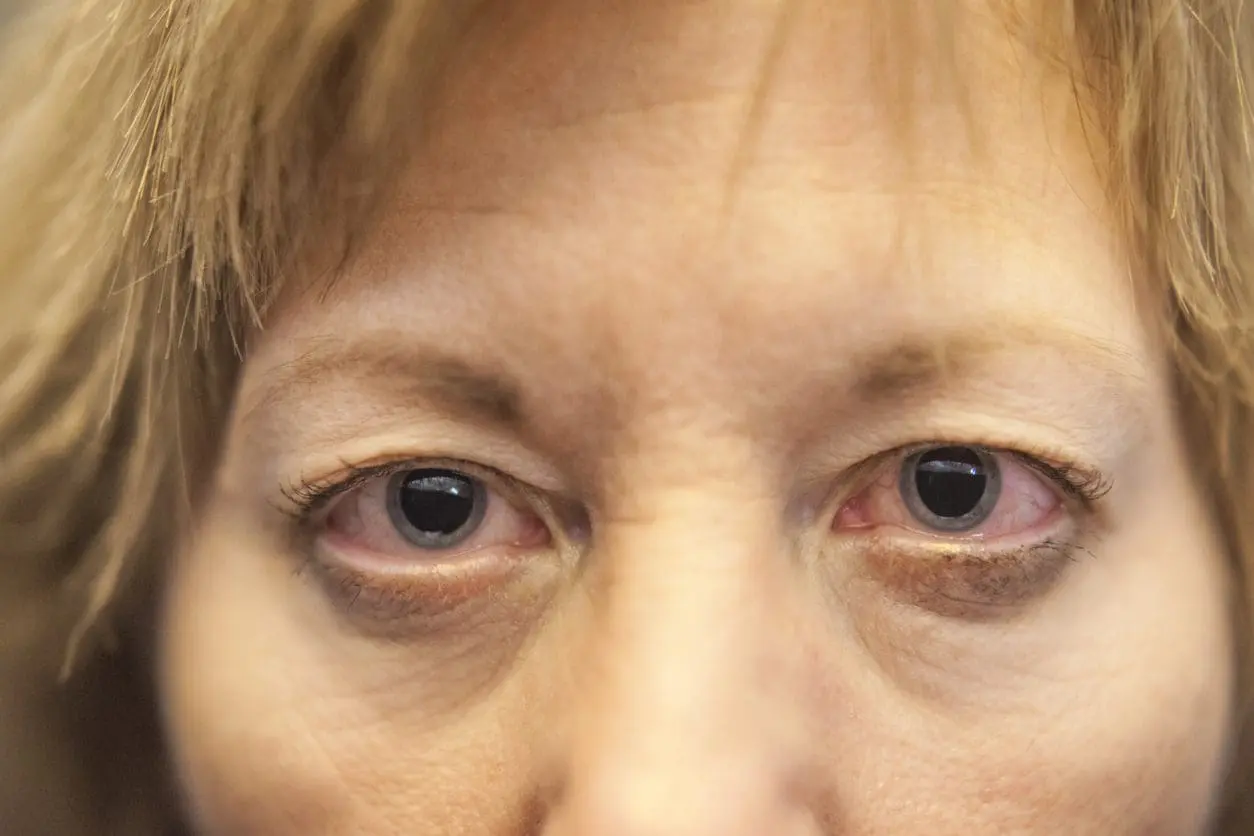
If the casualty’s pupils are not equal and reactive to light, then they will be either –
Constricted – called Moisis – think drugs although some people have other conditions that may cause this such as age, family history of the condition and inflammation. Smaller, constricted, pupils makes it difficult for the casualty to see clearly.
Dilated – called mydriasis- think drugs, side effects of medications, hypothermia or worse! A large pupil that is totally unresponsive to light is called a fixed dilated pupil.
Different sizes or shape – called anisocoria- think brain injury, side effects of medications or drug abuse. One pupil may appear circular and other a kind of ink splash. Or one pupil may be large and the other small. However, 1 in 5 people have slightly different pupil sizes so ask your casualty if this is the case.
There are of course other emotional reactions that can cause a reaction in the pupils. It is said that hate leads to constricted pupils, while love or fear lead to dilated pupils!
So as ever, as first aiders, we need to take into account the context of the situation, any potential mechanism of injury and any other clues as to the casualty’s predicament. This can lead us to a more definitive decision.
However, it is worth remembering that as first aiders our job is not to know the exact physiological responses for any situation, but rather to observe them, record them and then report them to the emergency services and treat any injuries or illnesses that we can.
Record what you observe – regularly.
When helping a casualty, recording PEARL is part of a regular series of vital signs observations you should record. It is useful to do this whilst waiting for emergency services. The other things we record are colour, temperature, breathing and/or pulse rate, alertness level and capillary refill. It sounds a lot but recording these are relatively easy to do and keeps you busy. It also keeps the casualty reassured and gives important information to emergency services.
You can download our free Casualty Monitoring Card from our website. These can be printed and kept in your first aid kit.
Refresh your knowledge of other acronyms:
You might also want to read more of our First Aid Acronyms in our blog series. Do you know LIONEL, AED, SALTAPS, SAMPLE, MIST, AVPU, RICE, FAST and more?!
Get confident – get trained!
We cover head and brain injuries as well as eye injuries on our range of first aid courses. Our systematic approach to teaching first aid helps your learning and understanding of many illnesses and injuries. Practicing first aid techniques reinforces your learning too. Find our more about our full range of First Aid Courses here.
Every client on our courses receives a FREE Digital First Aid Manual relevant to the course they come on. You can also view and buy our manuals in our online shop. In addition, we have our own YouTube channel with over 40 practical first aid videos.