Updated March, 2024.
Your friend has taken a tumble and banged their head. Is it serious or not? How do you know? The simple answer is it is difficult to diagnose a serious head injury. In the outdoors a fall from a mountain bike, a crag, on the snow or from a horse can all lead to head injuries.
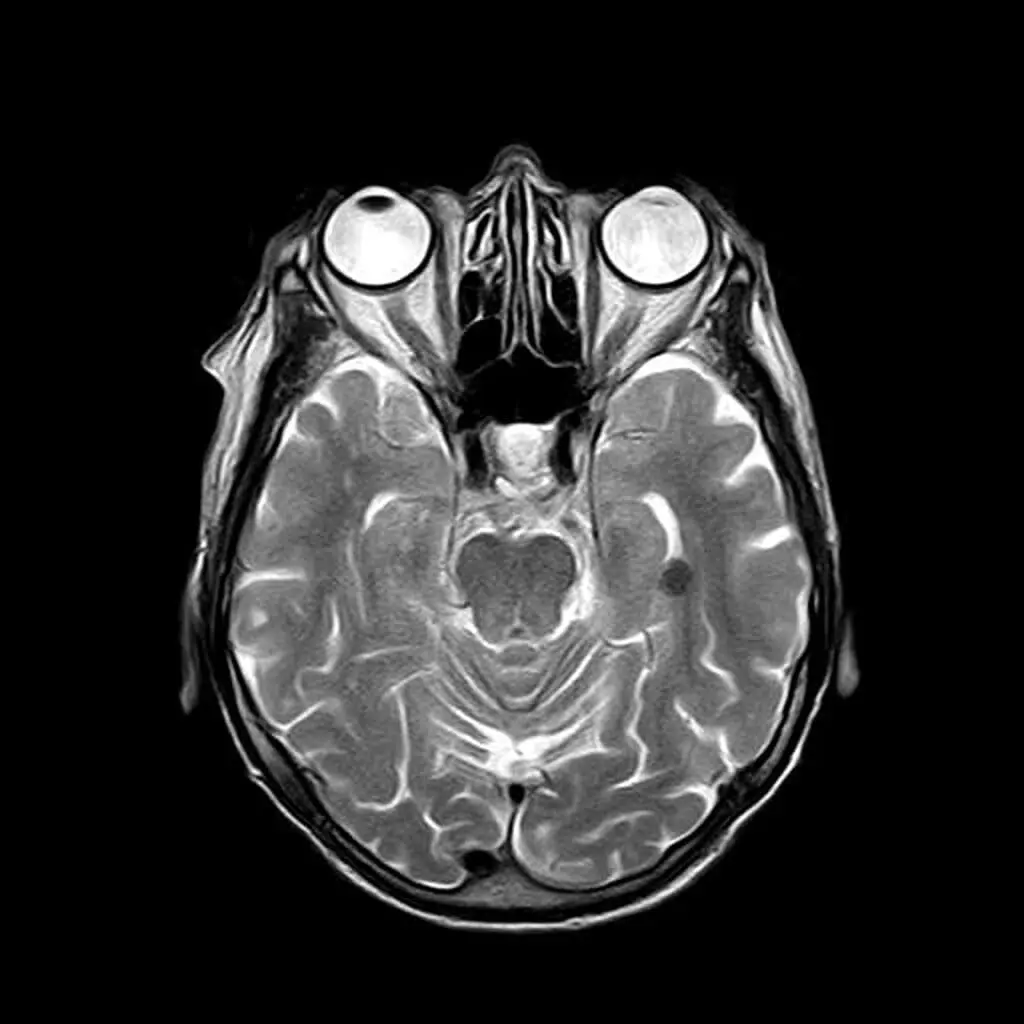
Of course what we would like to do is see inside the skull to find out what has happened to the brain – has it been damaged? In the outdoors we can’t do this but we can look for a range of signs and symptoms to recognise the severity of a head injury.
Head injuries may be minor or traumatic and the signs and symptoms are usually a great help to recognising these. A first aider should be especially alert to the impact of time on a head injury. Head injuries can arise directly from bangs to the head leading to an impact site on the skull, or be indirectly caused by movement of the brain within the skull. Brain injuries can get worse over time. Changes in apparent injuries or new signs and symptoms will alert you to this.
A bang to the head may cause:
- Concussion – a mild or severe Traumatic Brain Injury
- Cerebral Compression – also known as a ‘bleed on the brain’
- Skull fracture
All of these can be fatal especially if the blow to the head has been traumatic or severe. Traumatic brain injuries may be ‘primary’ that cause damage at the time of impact or ‘secondary’ where further injury as a result of changes within the skull occur minutes to days following the initial injury. Interestingly 70% of admissions to hospital with a primary diagnosis of head injury are male.
Signs and symptoms of head injuries:

Below we have listed some of the factors that would be a cause for concern for someone who has banged their head. How do we assess a bang to the head? What are we looking for?
- History of, or witnessing an impact leads you to suspect the increased probability of a head injury
- Change in personality of the casualty, perhaps irritability
- Suspicion of a skull fracture – you may find a soft boggy depression (don’t prod it – note it and report it)
- A change from normal alertness in the casualty
- Persistent headache since the incident
- Nausea or vomiting since the incident
- Memory loss about the incident or before the incident
- Unusually sleepy
- Any seizure since the accident
- Clear fluid from the ears or nose
- Black eye with no associated damage around the eyes
- Bleeding from one or both ears, new deafness in one or more ears
- Bruising behind one or both ears
- Blurred vision or double vision
- Different reactions to light on the pupils known as the PEARL test – Pupils should be: Equal And Reactive to Light
- A change in personality, becoming more annoyed or aggressive (when they are not ususally so)
How long would it be before we see any of these signs and symptoms?
This is difficult to know, it could be we see signs quite quickly if it is a major injury. However, if the injury is small then it could be up to a few days before we see anything. In this case, ‘small’ does not always mean minor! The best way to spot any of these changes is to monitor the casualty closely. If we have any suspicions then the casualty should be taken to hospital as soon as possible.
How do I assess a head injury in a child?

Children’s heads are large in proportion to their bodies and are more prone to head injuries. The signs and symptoms in a child will be similar to an adult but the behaviour of the child will also be a tell tale sign. Any loss of balance, seizures or fits, excessive crying, loss of interest in favourite toys, being listless and tiring more easily are all signs to watch out for. You should monitor the child regularly. You can phone 111 for advice but always go to hospital if any of the signs and symptoms listed above appear.
Will a helmet prevent head injuries?
Wearing a helmet when on your mountain bike, skis, horse or a crag will help protect the skull from damage but brain and skull injuries can still occur underneath a helmet. A good helmet will give you better protection and should be fitted properly and be the right helmet for the activity. A helmet may need to be removed to properly assess the casualty. You should also send the helmet to the hospital with the casualty so they can assess to potential injury site based on helmet damage.
Motorbike and full-face mountain bike helmets should only be removed if there are 2 people to do it. Many modern helmets have release straps on top of the helmet that makes this easier.
You can watch a video on how to safely remove a helmet from a casualty on our YouTube channel here.
What else should I watch out for?
When someone has a serious fall or impact, they may be more focussed on another injury such as a limb or a bleed. Always consider the ‘mechanism of injury’ and check the whole casualty, not just the obvious injuries. With head injuries , you should also be alert to the possibility of a neck or spinal injury.
Remember, monitoring your casualty is your best defence against head injuries and their consequences becoming serious.
Want to learn more about first aid for head injuries?
Get trained on a First Aid Course: We cover head injuries on a range of our first aid courses. It is a difficult subject to practice on a course but we go through the signs, symptoms and immediate first aid assessment of the casualty as well as how to monitor your casualty over time. Find our more via our courses link here.
For a more in-depth look at concussion and head injury assessment, we have an online course that takes just over an hour to complete. You can find it here: A Deeper Understanding of Concussion is an online 1hr20min course which includes a free download of the Concussion Recognition Tool.
SportsScotland resources: Another good site with lots of information on head injuries is the SportScotland website and includes these useful guidelines on head injuries in sport.