

In Europe and North America combined, there are approximately 150 deaths per year caused by snow avalanches, with approximately 130 of these occurring in Europe. In the UK there are over 150 reported avalanches annually but luckily very few deaths. The majority of avalanche deaths involve winter sports participants, and most avalanches are triggered by the victim or a member of their group.
The primary and most important way to survive an avalanche is not be caught in one in the first place and this point can never be emphasised enough. Specific techniques, equipment, and advice for avalanche rescue are beyond the scope of this blog, and are covered extensively elsewhere. (A resource list is included at the end). Checking the Avalanche Risk report for your area helps but remember that avalanches still occur when the risk is ‘moderate’ or lower in certain conditions. Understanding the signs, the risks and your response is crucial when in the mountains in winter.
In this blog we’re going to look at the next step. How to deal with various scenarios once the casualty has been rescued – the first aid required during an avalanche rescue.
Causes of Death or Injury During Avalanches
Timescale – The biggest cause of death due to avalanches is asphyxia, or suffocation, due to being buried in snow. Approximately 75% of deaths happen in this way, and it is widely recognised that a casualty must be rescued within 15 minutes of burial to have the best chance of survival. Beyond this time, survival rates decrease rapidly down to only 30% if the rescue takes 30 minutes.
The type of snow may also have an impact on survival rates as powdery snow can have lots of air pockets that can absorb someone’s breath whereas wet slab may not. Suffocation happens because we breath out carbon dioxide and this gradually fills the air space we have, making us drowsy and eventually unconscious due to the lack of oxygen available.
Trauma is also a common cause of death (approx 25%) or serious injury, and can often be severe if the casualty has covered a large distance at high speed. Avalanches can transport a victim a long way, over cliffs or rocky ground, or through forested areas. Therefore the rescuer should assume that trauma of some description has occurred and be prepared to deal with potentially life threatening injuries and shock as well.
Hypothermia – Hypothermia is rarely cause of death. Hypothermia does however cause complications during rescue for avalanche survivors who’s core temperature has dropped and when it takes time for them to be rescued. For a deeper understanding of hypothermia and its effects on a human body, have a look at our short online course on Hypothermia.
Multiple Avalanche Victims
Commonly, multiple people are caught by the same avalanche. They may be from a single group or multiple groups and can end up very spread out in the avalanche debris. Knowing what to do and how to respond with a group of rescuers should be part of your trip plan.
This is complicated by the inherent difficulty presented by the environment, and the likely lack of resources available. Assuming rescue procedures have successfully located and dug out the casualties, the first aid triage decisions to be made next can be very challenging. First Aid efforts should be concentrated on those with the greatest chances of survival.
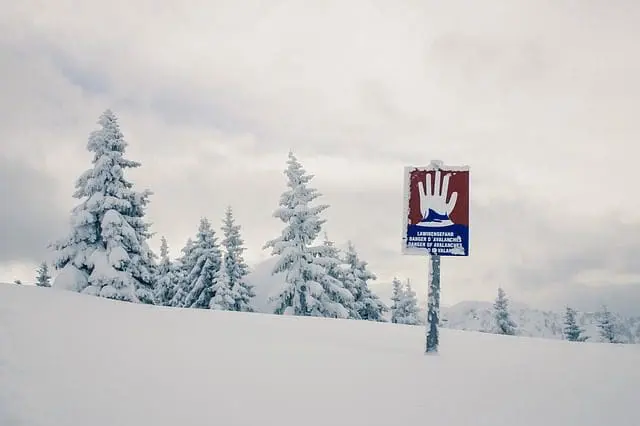
(See below for more ways to say avalanche in different languages)
First Aid During Avalanche Rescue – what should you do?
Time is of the essence for people caught in avalanches, and you are the best chance that your buried friend has of surviving. Ski Patrol will respond as quickly as possible once called, but not if you aren’t in a ski resort! They’ll ensure the area is safe before carrying out systematic search using transceivers, probes, and possibly dogs.
Your response as a first aider is as always…….
A – Assess for danger
The first thing to remember, as with any part of avalanche rescue, is the potential danger to rescuers of being in avalanche terrain. If possible, assign one person the role of constantly reviewing the situation with regards the environment and dangers to the rescue group. That person should constantly consider the ‘big picture’ and not be involved with the specifics of rescuing individuals. They can also be the person who keeps communication lines open to Emergency Services.
Once a casualty has been located and dug out, the priority is making an assessment of their condition and establishing an airway. This can happen as soon as their head and shoulders are free from the snow. Following the usual incident procedure is the easiest approach for lay first aiders. We’ll use that here to guide our responses to different situations.
A – Alertness
As soon as contact with the casualty is made, try to establish whether they are alert or not by shouting, squeezing a shoulder or any other body part available. The casualty will be extremely relieved to know you are there if they are still responsive. Lots of reassurance and encouragement can go a long way – keep talking to the casualty as soon as you have located them, even if you can’t see them yet. They may well be able to hear you.
A – Airway
For all casualties, establishing an airway is critical. A responsive casualty may require some additional help in doing this themselves particularly if their hands and arms are still trapped. Whereas a casualty with reduced consciousness will need us to do this for them.
This will involve digging snow clear of their face and head, and may also involve clearing snow and ice from within their mouth and nose. Often an ‘ice mask’ forms over the casualty’s face, caused by frozen condensation from the casualty’s breath. The casualty may have come to rest in an awkward position, and so obtaining access to their airway could be challenging. They may have a mouthful of snow that needs clearing carefully to allow them to breath.
B – Breathing
Following the establishment of an airway, we need to assess whether the unresponsive casualty is breathing effectively. As per our usual first aid protocols, an unresponsive casualty who is not breathing effectively requires immediate CPR and this can be initiated as soon as the head and chest are cleared of snow if the casualty’s position allows.
Note: CPR should not be initiated if lethal injuries are clearly present, or if the casualty’s whole body is frozen due to having been buried for a significant length of time.
C – Circulation and D – Damage
If the casualty is breathing effectively, the next priority is to assess for and deal with any trauma that has occurred.
The snow is likely to be both stabilising the casualty, albeit in a possibly very uncomfortable position. The snow will also naturally insulate their body. Therefore, extreme care should be used when extracting a casualty from the snow. Emphasis should be placed on managing potential spinal injuries that are highly likely due to the violent nature of being caught in an avalanche.
Treat any injuries sustained following the usual priority order – Circulation (bleeds), then Damage (breaks), doing a head to toe search in each case. Once you have them stable, start to monitor their vital signs on a regular basis. Read more about monitoring a casualty here.
E – Environment and Evacuation
At this point we return to environmental factors such as Hypothermia and the highly likely situation that the casualty has become very cold. This can be exaggerated by after-drop in core temperature due to movement and the removal of the snow’s insulation. Therefore providing core warming, insulation from the cold ground and shelter if possible, even for casualties who do not appear cold, is good practice. As is treating them with care, and keeping them horizontal. Having dug them out, there will be a natural wind barrier they, and you, can hide behind out of the wind chill.
Don’t forget to ensure the rest of the group are kept warm and out of the wind too.
Calling the Emergency Services – Call 999 or 112
We also need to consider Evacuation, and how we can evacuate the casualty from the location they are in. This usually falls into one of two basic scenarios.
- In very remote situations with small groups it is recommended prioritise casualty location search and rescue, over making an emergency call early in the rescue process. Making a call takes time and diverts resources away from locating casualties and digging them out. An emergency call should instead be made at an appropriate point during the ‘first aid stage’ of the process after casualties have been located.
- In popular Alpine areas and ski resorts, call the emergency services immediately to active the response. This is because they are likely to be there quickly in good weather. This is especially the case with a larger group or if bystanders are present – task one group member with making the call while others initiate the search and rescue.
Make sure you know the local Alpine Rescue team direct number if you are travelling to a new area and may be in avalanche terrain.
Avalanche in different languages
Calling 112 and saying the word ‘Avalanche’ in the local language will initiate an avalanche response protocol rather than the usual emergency services protocol in most popular mountain areas. (112 is the international emergency phone number for hundreds of countries around the world including the UK)
| French | Avalanche |
| Italian | Valanga |
| Spanish | Avalanche |
| German | Lawine |
| Slovenian | Snežni plaz |
| Croatian | Lavina |
| Danish | Lavine |
| Brazilian / Portuguese | Avalanche |
| Chinese | Xuebeng (pronounced “shee-a-bung”) |
| Japanese | Nadare |
Can I self-rescue if I’m caught in an avalanche?
Almost definitely not, unless you are very lucky and/or the avalanche is very, very small. Avoid getting caught in one is the only answer to this question!
Post Traumatic Care
Any avalanche situation is a high stress, traumatic event, and unfortunately many do not have a good outcome or ‘lucky escape’. Therefore it is particularly important to be aware of the wellbeing of the rescue party as well as the casualty.
Any victims are likely to have been evacuated by a professional team and often the rest of the group are left with rapidly decreasing temperature and adrenaline levels, in potentially very hazardous or challenging terrain. The emotional shock of dealing with an avalanche, even one with a positive outcome, should not be underestimated and may take a long time to process.
Useful resources
Scottish Avalanche Information Service (SAIS) – Daily Avalanche Forecast throughout the winter as well as lots of resources and useful information relevant to all winter sports.
SAIS FREE online course ‘Be Avalanche Aware’ covers the causes and on the mountain assessment of the avalanche risk.
Henry’s Avalanche Talk – Easy to digest, logical and practical training and advice for off piste skiing and snowboarding.
Wilderness Medical Society’s Practice Guidelines for Prevention and Management of Avalanche and Non-avalanche Snow Burial Accidents – Guidance for clinicians and avalanche professionals.
Avalanches.org – Centralised site linking to various European avalanche forecast services