These days diversification is essential and running your own events is always an option. Depending upon numbers and governing body you may need an external medical provider to cover for your event, but how do you find the right company that will give you the right cover? Here is a short guide to help with this.
Appropriate level of cover.
What do you need to run your event? Are your yard first aiders enough or do you need more skill and equipment? The first port of call is your governing body RDA, BE, BD, BSJ et al., they have guides on the required level of medical cover provision. Once you have decided that you do need extra cover, there are a few things to consider . . . .
- Registration – Is the company Care Quality Commission (CQC) registered? The CQC has ratings for all medical care, from event medical companies to hospitals to care homes. This will give you a starting point, make sure that you compare like for like before you even contact them. In Scotland, check they are registered with an appropriate body such as the Care Inspectorate, HCPC, GMC or GMC. Local reputation is also key – ask other local organisers. The big national companies aren’t always the best fit.
- Experience – Has the company experience of running equestrian events? The last thing you want is them getting hurt because they don’t know simple things like not standing behind a horse, and what a red versus a green tail band indicates.
- Insurance – Does the company have the right insurance and resources?
- Appropriate Staff -Has the company got the right staff? Clinicians have a registration, and the terms are then protected. A paramedic is an independent clinician who can make decision and are used to working in all sorts of environments. Paramedics are with HCPC. Your next option could be a doctor. Do you know what kind of doctor they are? If they are a dermatologist, they might not be the right fit for an equestrian event. Ideally you will need a doctor with either Pre-Hospital Care experience or working in an Emergency Department. Doctors are registered with the General Medical Council GMC. Finally, you might need a nurse. Nurses have a wide variety of skills and experience. Some can’t prescribe drugs or undertake invention without a doctor being present, but that’s some others can. Nurses with are generally with the Nursing and Midwifery Council NMC. If you are paying for a paramedic, ensure you are getting a registered one. Ambulance Technicians and First Responders can hold a range of qualifications from IHDC or APP and FRECs from 3-6. Most First Responders are FREC3 or 4. FREC4 would be the minimum to work alone. See the links below for more information.
Terms and Conditions.
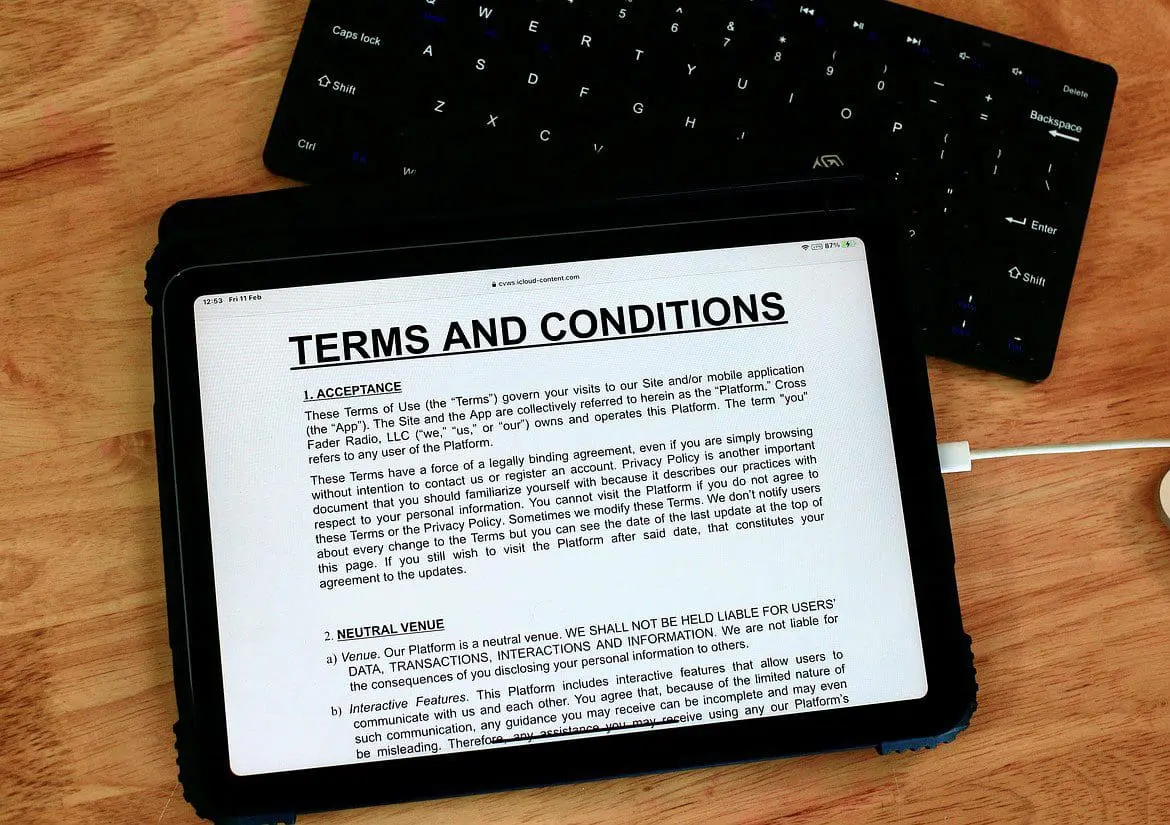
Are you clear what you are paying for? What vehicle will the crew be bringing? Will the crew convey casualties to hospital, or use Trust Ambulance Service? There is no right or wrong to this, but if a solo crew convey, then your event may well have to stop whilst they are away.
- Space allocation – Do you have a treatment space or are you going ask the crew to provide one? Some companies will send staff in an ambulance, others 4x4s and trailers. You should receive the terms and conditions ahead of the event with time to read them through and ask questions.
- Refreshments & Weather – Are you expected to provide refreshments and weather cover (i.e. somewhere for the crew to sit if it’s baking hot, or pouring with rain), or do they bring their own.
- Cancellation policy – What happens if the event is washed out, or snowed off, where do you stand with payment, and rebooking?
Language and Expectations.

- Pre-event briefing -It’s always great to have a team briefing on arrival with your senior management, safeguarding, health and safety officer and other associated professionals such head judge, vet, farrier, horse ambulance etc. The crew on the day, probably won’t have been involved in the contract or the detailed planning you have done.
- Allocated space – Where you want them to be? Always check in with the crew as they may well have good ideas too. If they have an ambulance, they might prefer sitting in it rather than at the arena edge in full sun/ pouring rain and have a better view of your event as they are higher up. Or, do you need them to patrol around the event?
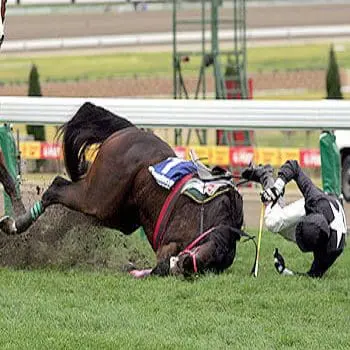
- Response protocols – Establish with the judges and the medical crew before the event starts, if they are required to see every rider that falls off, or every rider that is defined as requires medical attention? What is definition of someone who needs attention? This question might depend upon your governing body.
Language!
- Communications – Make sure everyone understands how to rally the crew. Radio, telephone, using a Tanoy system? Medic is a cover all term and preferrable to calling a Doctor, a First Aider!
- Defining emergencies – Does everyone understand what a medical emergency is? A medical emergency is usually a catastrophic bleed, cardiac event or a spinal injury. Someone with a wasp sting, unless anaphylaxic, can walk to the medics and doesn’t constitute a medical emergency.
- Running . . . medics don’t run. It’s counterproductive to run. If they trip and fall over, they are ultimately slower, if it’s a long way away they might be out of puff on arrival. Also, they will need to get their kit. It might be quicker to move the vehicle, or to get the casualty to the Medical Crew.
Some final thoughts . . .

- Location – It might be prudent to put medics, horse ambulance and vets are near each other where you have all three or it might be better to spread them out so you have more contact points around your event.
- Adequate cover – Ensure you have enough cover. Remember volunteer organisations who provide cover will result in a varying competency and confidence and there is still usually an event fee.
- Ensure communication is easy and clear. Don’t use complicated language or have over complicated systems. Consider having set maps and plans with key locations marked simply. The Arena at the far side of the venue by the main gate could just be called Main Gate Arena or give What3Words for each location.
- Often, a site visit with the medic crew leader in the week or so prior to the event is a very useful exercise and can greatly reduce stress on the morning of the event.
- Consider some privacy screens. It’s too easy these days to end up on film. Give your crew and your casualty some privacy screens are an easy way to do this. These can also be used by the vet and horse ambulance as well.
- Refreshments – Medical Crews will always be grateful for a hot cup of tea and somewhere to heat lunch/keep lunch cool, so why not include hot refreshments on the day a little thing like this goes a really long way on a long day.
- Ensure that one person gives communication for the end of the day. A ‘Stand down’ is much appreciated so that everyone knows where they stand at the close of the day. In the rush to pack up and head home it can be hard to know when to leave.
- And remember to get a copy of all incident forms from the medics before they leave, for anything that they have dealt with. This ensures that you know what has happened, whether a follow up is expected, and might influence your approach to the next event you organise.
Useful links:
Care Quality Commission Care Inspectorate Nursing and Midwifery Council General Medical Council
The Purple Guide to Outdoor Events (not equestrian specific)
Get confident – train your team as well!
The best way to feel confident about understanding your first aid needs and dealing with first aid incidents is to take a specialist first aid course. At First Aid Training Co-operative we run 1-2 day outdoor, forestry and equestrian first aid courses which not only cover the basics but also how to manage serious accidents such as eventing, livery and other equestrian injuries. Click here for full course details.
Everyone on our courses receives a FREE digital first aid manual. We have a range of manuals relevant to the courses we teach – Outdoor, Equestrian, First Aid at Work, Paediatric and Sports. They are a great resource that you can download onto your phone or other device and have all that first aid knowledge at your fingertips. You can view them and buy them for less than £4 here.