

Hormonal changes play a significant role in shaping both our physical and emotional well-being, especially during key stages of life such as puberty, pregnancy and menopause (for both males and females). These shifts in hormones can trigger a variety of emotional responses altering daily life and impacting on mental health. For Mental Health First Responders, understanding how these changes influence mental health is crucial for recognising the signs and offering support.
Why Do Hormones Affect Mental Health?
Hormones are chemical messengers in the body that regulate many processes, including mood, energy levels, and behaviour. When hormone levels fluctuate, these changes can disrupt the brain’s chemical balance. Hormones like oestrogen, progesterone, and testosterone directly impact on neurotransmitters such as serotonin and dopamine, both of which are responsible for regulating moods and emotions.
When hormone levels change at different stages in their lives, people may experience changes in their mental health. This can result in heightened emotional sensitivity, irritability, mood swings or sometimes symptoms of anxiety and depression. The relationship between hormones and mental health is complex because each individual’s response to hormonal changes varies, but the effects can be profound and wide-reaching.
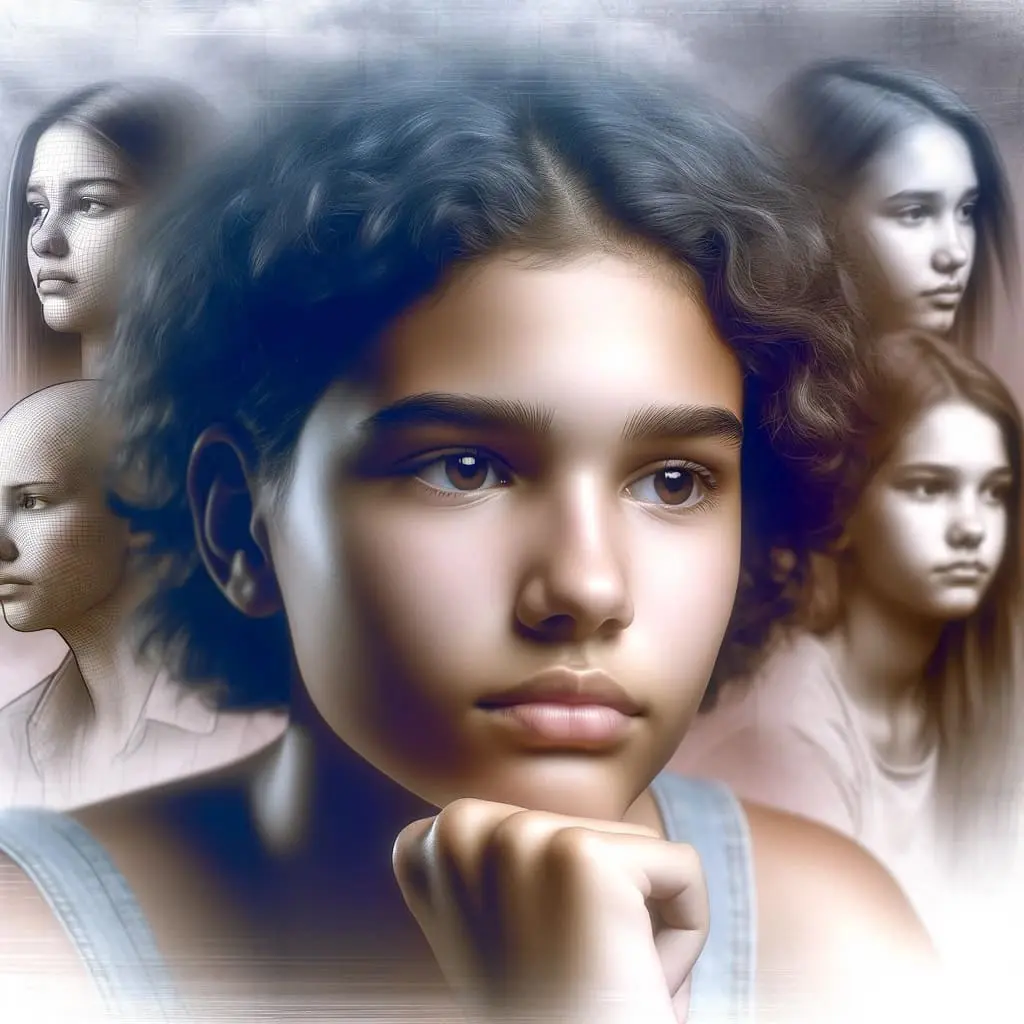
Puberty and Mental Health
Puberty is the first major life stage where hormonal changes can significantly affect mental health. During puberty, the body undergoes dramatic physical transformations as well as emotional changes. These shifts are driven by an increase in sex hormones such as oestrogen and testosterone, which are responsible for physical changes like growth spurts and the development of secondary sexual characteristics. However, these hormones also influence emotions and mental health.
Feelings of confusion, self-doubt, and mood swings are common during puberty. Teenagers may feel more sensitive or emotionally reactive as they try to navigate their new experiences. Social pressures, academic challenges, and changing relationships can further compound these emotions. As hormone levels fluctuate, mental health can become unpredictable, resulting in irritability, anxiety, or sadness. Additionally, body image issues often arise during this stage, leading to feelings of insecurity or low self-esteem.
Signs to watch for in teenagers experiencing mental health challenges during puberty include withdrawal from social activities, changes in appetite or sleep patterns, and extreme emotional outbursts. Mood swings are typical, but if a young person appears consistently anxious, sad or angry, it may be time to offer some more support or seek professional help.

Pregnancy and Mental Health
Pregnancy represents another time of significant hormonal fluctuation, with a mix of physical and emotional changes. Progesterone and oestrogen levels surge during pregnancy, influencing everything from mood to energy levels. These hormones can cause both positive and negative mental health effects. For some pregnant women, the elevated hormones can result in a sense of well-being, excitement, and happiness. However, for others, the increase in hormones can lead to emotional struggles.
Many pregnant women experience increased anxiety, irritability, or mood swings during pregnancy. The anticipation of parenthood, the stress of body changes, and concerns about the future can create emotional turbulence. In some cases, this can result in more severe mental health challenges, such as antenatal depression or anxiety. Physical discomforts such as morning sickness, fatigue and pain can also contribute to feelings of being overwhelmed or helplessness.
Signs to look for in pregnant women who may be struggling with their mental health include persistent sadness, extreme anxiety, irritability or feeling disconnected from the pregnancy. It’s important to offer support and remind them that seeking help is a sign of strength, not weakness.
Menopause and Mental Health
Menopause is a period of life marked by a decline in the reproductive hormones, mainly oestrogen and progesterone in females and testosterone in males (the latter often referred to as andropause). This decrease in hormones can significantly affect mental health. For many individuals, menopause is associated with symptoms like anxiety, depression, mood swings, and irritability.
The hormonal changes that occur during menopause affect the brain’s ability to regulate mood through neurotransmitters. Oestrogen, for example, plays a role in the production of serotonin, which helps regulate mood and feelings of happiness. As oestrogen levels drop, many individuals may experience increased irritability, sadness, or difficulty concentrating.
Menopause can also cause physical symptoms like hot flushes, sleep disturbances and fatigue which can all impact on mental health. The feelings of ageing and the transition into a new phase of life can also trigger emotional responses such as grief, loss or fear of the future.
For men, lower levels of testosterone, leads to Andropause, often referred to as the “male menopause,”. This decrease typically begins in a man’s 30s and can lead to various physical, emotional, and psychological symptoms. It is important to note that, unlike female menopause, which involves a rapid decline in hormones, the changes associated with andropause occur much more gradually. Studies suggest that over 25% of men over 40 may experience symptoms associated with andropause due to low testosterone levels. Common symptoms of andropause include low libido, erectile dysfunction, fatigue, mood swings, loss of muscle mass, weight gain or sleep disturbances.
Signs of Hormonal-Induced Mental Health Issues
Hormonal changes during puberty, pregnancy, and menopause can all lead to similar signs of mental health distress. Common symptoms to look for include:
Mood swings: Frequent and intense changes in mood, from happiness to sadness or irritability.
Anxiety or worry: Heightened anxiety or excessive worry about daily activities or the future.
Depression: Prolonged periods of sadness, loss of interest in activities, or feelings of hopelessness.
Sleep disturbances: Insomnia or excessive fatigue.
Irritability: Heightened sensitivity or irritability, particularly during stressful situations.
Social withdrawal: Withdrawing from friends or family and avoiding social interactions.

Supporting People Through Hormonal Changes
Supporting someone through hormonal changes requires understanding, patience, and empathy. Acknowledging that hormonal fluctuations are a natural part of life can help reduce feelings of guilt or shame about emotional struggles. Encouraging open conversations about how they feel and reassuring them that their emotions are valid can be incredibly helpful.
It’s important to suggest healthy coping mechanisms, such as exercise, mindfulness, and relaxation techniques to manage stress and improve mood. Additionally, seeking professional help through therapy or medical advice is crucial when mental health challenges persist. For example, hormone replacement therapy (HRT) can sometimes alleviate the mood swings and depression associated with menopause.
For teenagers experiencing the mental health challenges of puberty, open communication and support from trusted adults can make a big difference.
For pregnant women, being aware of the signs of antenatal or postnatal depression and seeking help early is essential for emotional well-being.
For those going through menopause, exploring treatment options and seeking emotional support is vital for maintaining mental health.
Conclusion
Hormonal changes during puberty, pregnancy, and menopause can have a profound impact on mental health. From mood swings and irritability to anxiety and depression, these shifts can disrupt daily life and emotional well-being. However, by recognising the signs and offering support, individuals can navigate these hormonal changes more effectively. Whether through open conversations, therapy, or medical treatment, it’s important to acknowledge that these emotional challenges are valid and treatable.
Want to learn more about Mental Health First Aid?
The First Aid Training Co-operative runs a suite of private first aid courses that can be delivered at your choice of venue, at a time and date to suit you. We’ll come to you and tailor your course to suit your specific situation, based on one of the core course types that we have in our portfolio. We now have a range of courses available for those looking to become Mental Health First Responders in the workplace, raise awareness of mental health amongst their staff plus specialist mental health training for outdoor professionals. Check out our mental health first aid course suite.