
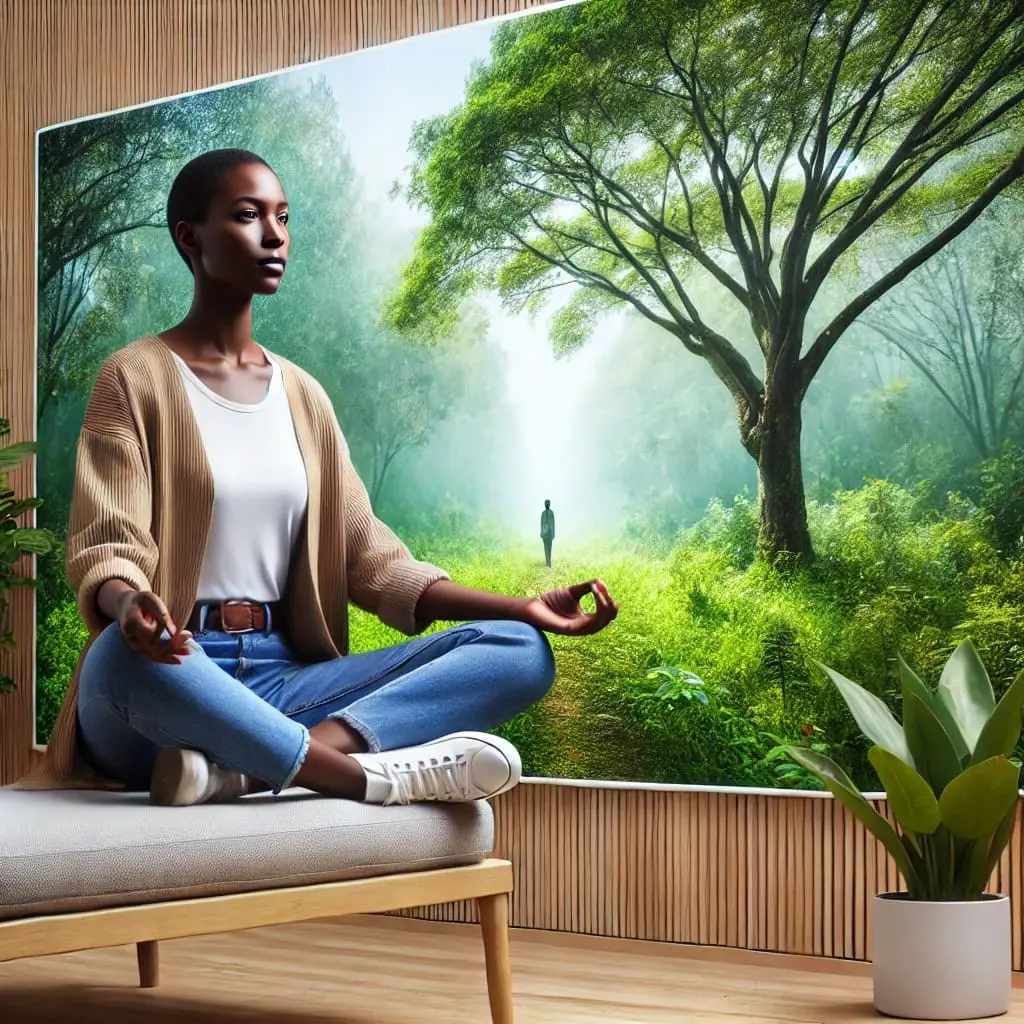
What Is Self-Care?
Self-care is the practice of taking actions to maintain and improve your physical, emotional and mental well-being. In our busy lives, it’s easy to forget to prioritise our health and happiness. However, practicing self-care is crucial to helping us live a balanced life and manage stress effectively. It involves small daily habits that can make a big difference in how we feel both mentally and physically.
Why Is Self-Care Important?
Self-care is important because it helps prevent burnout, reduces stress, and improves both mental and physical health. By incorporating self-care into your daily routine, you are taking proactive steps to manage your well-being, which allows you to handle life’s challenges with more resilience.
Additionally, practicing self-care improves emotional regulation and encourages healthier relationships with others. When you take time for yourself, you’re more likely to feel recharged, positive, and capable of giving back to others.
Ignoring self-care can lead to feelings of being overwhelmed, anxious and cause physical health issues. By making small changes and prioritising your well-being, you are investing in your own long-term health and happiness.
Self-care is a key element of mental health well-being and recovery. Although it is often described for the person with mental health issues, all Mental Health First Responders (MHFRs) should also practice self-care on themselves.
Five steps to self-care
The NHS describes a 5-step process for mental well-being is a valuable guide for practicing self-care. Each step plays an important role in maintaining mental health, and together, they provide a holistic approach to self-care.
Step 1: Connect with Others
Human connection is vital for our mental health and wellbeing. Whether it’s spending time with family, friends, or colleagues, interacting with others helps to combat feelings of loneliness and isolation. Socializing regularly can improve your mood, provide emotional support, and create a sense of belonging. It’s important to reach out, make time for people who uplift you, and strengthen those bonds. Simple things like having a chat with a good friend, joining a community group or connecting with someone online can have a positive impact.
Step 2: Be Physically Active
Being physically active is not just beneficial for your body – it significantly improves your mental health as well. Exercise releases endorphins, which are chemicals in the brain that positively boost your mood. Regular physical activity, such as walking, running, or even dancing, reduces stress and increases energy levels. These activities all help to clear your mind. You don’t need to do strenuous workouts; just small activities like gardening or a short walk in nature can help.
Step 3: Learn New Skills
Learning new skills provides a sense of achievement and helps to build confidence. It keeps your mind engaged and can offer a welcome distraction from everyday stresses. You could start small by learning a new recipe, trying a new hobby, joining a group or taking an online course. Continuous learning helps you stay motivated and excited about life while giving you new tools to cope with challenges.
Step 4: Give to Others
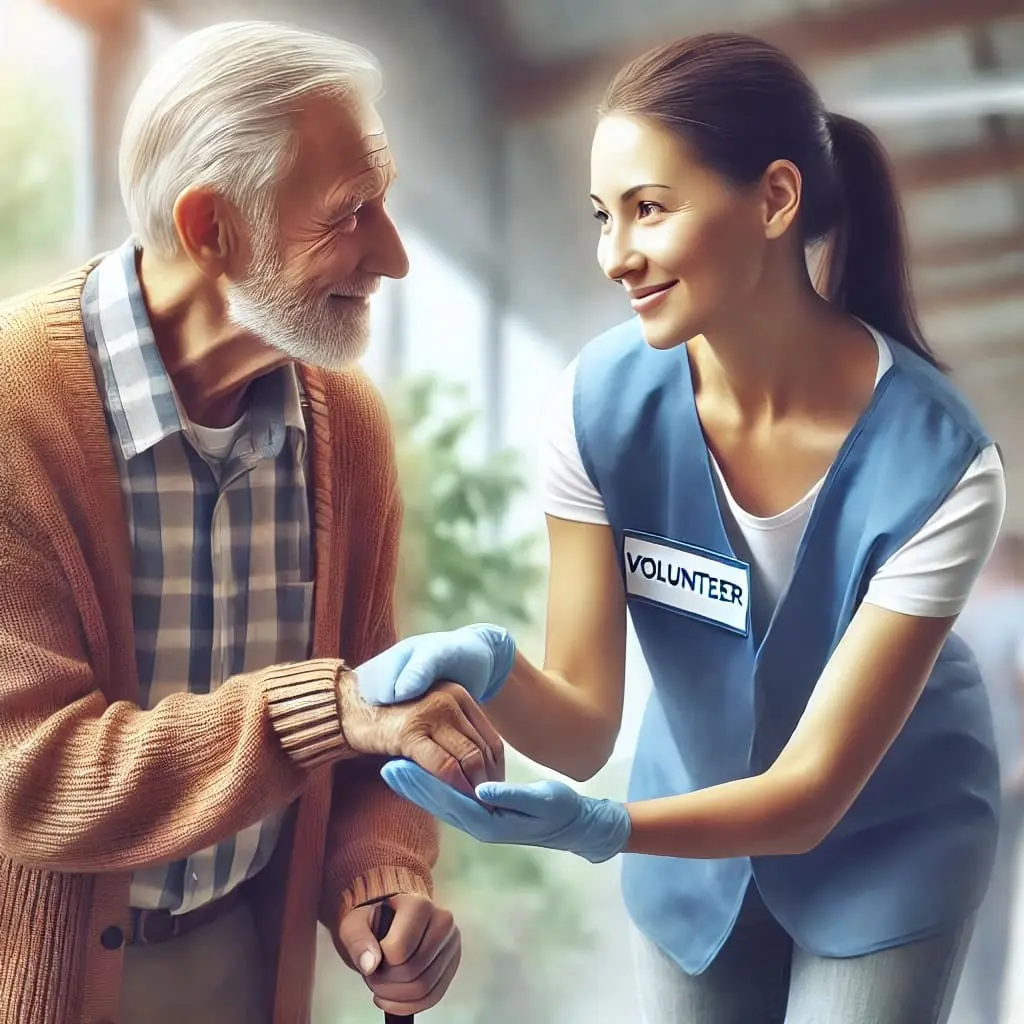
Acts of kindness are not only good for the person receiving the gesture, but they also boost your own happiness and self-worth. Giving doesn’t always mean large gestures; small acts like helping a neighbour, volunteering your time or even giving someone a compliment can make a difference. These actions can foster a sense of community and increase your feelings of connectedness.
Step 5: Pay Attention to the Present (Mindfulness)
Mindfulness is the practice of being fully present in the moment, without distraction or judgment. Paying attention to your thoughts, feelings and surroundings can help reduce stress and anxiety. Techniques like meditation, deep breathing exercises or simply focusing on your surroundings can help you stay grounded. By practicing mindfulness, you’ll find it easier to manage negative thoughts and improve your overall well-being.
Statistics on Self-Care
Understanding the impact of self-care is vital, especially for those in roles like Mental Health First Responders. Here are some statistics that highlight the importance of self-care:
• Mental Health Benefits: Research indicates that engaging in regular self-care activities can reduce stress levels by 30%.
• Physical Health Impact: Individuals who prioritise self-care report a 25% increase in overall well-being and energy levels.
• Burnout Rates: Studies show that employees who engage in self-care are 60% less likely to experience burnout compared to those who do not.
• Improved Job Performance: Practicing self-care can lead to a 50% improvement in job performance and productivity.

Examples of Self-Care Practices
1. Physical Self-Care: Engage in regular physical activity like walking, yoga, golf or stretching. Drink plenty of water, eat nutritious meals and get enough sleep.
2. Emotional Self-Care: Practice journaling, talk to a trusted friend or express your emotions through art or creative activities.
3. Mental Self-Care: Read different books, challenge yourself with puzzles or engage in mindful activities like meditation to keep your mind sharp.
4. Social Self-Care: Spend time with loved ones, call a friend or join social groups that bring you joy and connection.
5. Spiritual Self-Care: Practice meditation, spend time in nature, or reflect on your values and what brings you peace.
Want to learn more about Mental Health First Aid?
The First Aid Training Co-operative runs a suite of private first aid courses that can be delivered at your choice of venue, at a time and date to suit you. We’ll come to you and tailor your course to suit your specific situation, based on one of the core course types that we have in our portfolio. We now have a range of courses available for those looking to become Mental Health First Responders in the workplace, raise awareness of mental health amongst their staff plus specialist mental health training for outdoor professionals. Check out our mental health first aid course suite.