
Updated November, 2025
Open water swimming is increasingly popular and immersing yourself in cold water is being touted as providing many health benefits with many new people taking to the sea, lochs and rivers to try it out. However it is not without its dangers. As well as the cold water, other risks include injuries from hidden rocks, muscle cramp, sea creatures plus water-borne infections.
Remember, the benefits of outdoor recreation far, far outweigh the risks but it’s important to be aware – and prepared – for any mishaps.
Here are our Top 5 first aid incidents related to open water swimming – and how to deal with them:
1. ‘After Drop’, Cold Water Shock & Hypothermia
Water Temperature vs Body Temperature: Sudden immersion in water less than 15ºC, can be very dangerous, such as with open water swimming, particularly in winter. ‘Seasoned’ open water swimmers enjoy repeated visits plus undertake regular cold water training and as a result their body acclimatises more readily to cold environments. For others, though, it is a shockingly cold experience that can – and has – lead to deaths in the past couple of years. Water temperatures in the sea around the UK rarely go above 17 degrees Celsius, even in the summer. Our lochs are sometimes hundreds of feet deep and never get to what we might call warm and most are around 5-10degrees, even in the summer. The water near the surface, especially on hot sunny days, can be a bit warmer than the water below, luring you into a false sense of the real temperature you are about to enter. Remember, our body temperature is 37 degrees – that’s a big difference between water and body temperature.
What is ‘After Drop’?
After Drop regularly happens to cold water swimmers when you come out of the water. This is your cooled blood from your extremities starting to circulating around your slowly warming body. This reduces lowers your core temperature temporarily and causes physical shivering. It often happens after a few minutes of being out of the water, not immediately. Get dressed starting with the top half of your body. Put on a dry hat and gloves and have a warm drink. This is why swimmers often have a changing robe ready to get into. Changing robes also keep the wind and wind chill effects off your already cold body.
What is Cold Water Shock?
Cold water shock is your body’s response to sudden change in skin temperature caused by sudden immersion in cold water.
Cold Water Shock causes a sudden gasp for air, followed by uncontrollable rapid breathing and an increase in heart rate. This can cause immediate problems due to inhalation of water into the lungs and stress on the heart.
Your body will also respond to this sudden cold environment by protecting the vital organs and therefore reducing the blood flow to the limbs. This may reduce your ability to swim or manoeuvre your way out of the water.
This cold water response decreases with your cold outdoor swimming experience and adaptability to cold water environments. If you do find yourself struggling, follow the RNLI advice and float on your back for a minute or two to regain control of your breathing. If this doesn’t happen, get out of the water.
Always enter the water slowly and gradually and keep your face clear until your breathing is under control.
What is Hypothermia?
If you stay in the cold environment too long, there is a risk of hypothermia. The amount of time you can swim in cold water without suffering from hypothermia is determined by the water and air temperature, your body size and your experience. Immersion hypothermia is when you have been in the water far too long and your body has started to close down. Generally, hypothermia is indicated at a core body temperature of 35 degrees.
What are the signs and symptoms of hypothermia?:
- Physical shivering;
- A change in behaviour;
- Loss of fine motor control – can’t do up a zip or button or touch each finger with your thumb;
- Loss of limb control – stumbling or can’t move arms to swim;
- Very cold and pale skin;
- Blue around the lips and eyes;
- Inability to speak clearly – chattering sounds, ‘shaky’ words;
- This can lead to loss of consciousness, possible heart failure and/or drowning.
Always start with short swims to learn what your limits are. If your stroke rate slows down or you start to shiver, get out and warm up.
What is ‘normal’ when you get out of the water?
When you finish swimming, you may shiver for a few minutes. This is your body reacting to the cold blood in your extremities now circulating around your core and your brain. Get out of cold wet clothes and into warm dry ones a quickly a you can. Have a warm (non-alcoholic) drink. Most cold water swimmers have a changing robe to put on immediately after coming out of the water. A changing robe helps you warm up but is also spacious enough to allow you to change into warm dry clothes underneath it.
If you don’t feel yourself warming up, get indoors and warm yourself slowly. A slow tepid shower gradually getting hotter is ideal. Don’t be tempted to get into a hot shower immediately if you’re still shivering…..
First aid for cold water shock and hypothermia:
The cold water swimming community take pride in looking after each other. Someone’s core temperature drops dangerously because they have been in the water for a longer period of time than is safe for them. The exact length of time will vary between casualties. Core cooling in most people will occur only after several minutes – that’s not a long time – so swift action and care for the casualty is imperative. It’s important to keep an eye on each other for signs of hypothermia.
- Help them get to shelter, ideally out of the wind.
- Remove wet clothing and give them warm dry clothes to wear.
- Give them warm fluids to drink and food to eat. Food helps because their body will generate heat if it has fuel to burn.
- Give them a warm – not hot- shower to slowly rewarm them;
- Reassure and monitor them and get medical help if they do not warm up or improve.
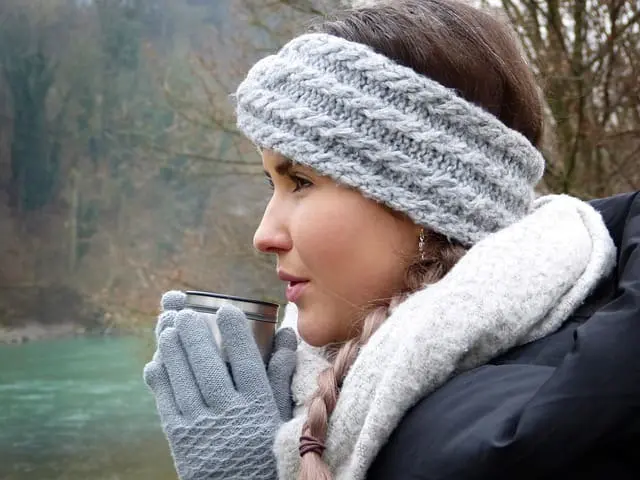
A good rule of thumb is – if they get cold quickly, warm them quickly : if they get cold slowly, warm them slowly.
What to do if YOU are immersed in cold water unexpectedly:
The advice from the RNLI, is to try your best to relax and ‘Float to Live’.
- Fight the natural urge to thrash about to get out of the situation.
- Concentrate on trying to float on your back to keep your face clear of the water to stop you from panicking. Floating doesn’t work if you struggle, so trying to float encourages you to stay still. Bring your stomach and chest up to the waters surface, tilt your head back a little to keep your airway clear.
- The initial cold shock response will pass in less than a minute, so trying to stay calm and controlling your breathing is the best course of action.
- Once you have regained control, then seek help, swim or paddle on your back to the shore, board or vessel if possible.
Find out more about the RNLI’s ‘Float to Live’ advice and watch a video demonstration here.
Read more about cold water shock and drowning in our specific blog here
Learning more about hypothermia may save a life – our 2 specialist first aid courses.
Immersion hypothermia practical course
Immersion hypothermia happens when someone has been in the water for some time and their body is starting to shut down. They have not drowned but their motor functions and ability to communicate will be greatly diminished.
If you want to really find out more about how cold water affects you, and how to properly rescue and reheat a casualty, you should consider our Immersion Hypothermia short course. This experiential course is ideal for anyone who spends time in, on, or near water and is extremely valuable first aid CPD. We run these courses privately for open water swimming, triathlon, and other watersports clubs. Find out more about our Immersion Hypothermia Course here.
Understanding hypothermia – online course
You can also do our 3hr online Understanding Hypothermia course which covers land as well as water based sports. In it you’ll learn about how our bodies respond to short or longer term cold environments. Recognising the early signs and knowing how to deal with hypothermia is essential in open water swimming and many other outdoor activities.
2. Cut, bruises, sprains and strains.
Getting in and out of the water is the most likely time you’ll get a cut or a bruise. Unseen rocks, weeds and slippery rocks, piers and pontoons on the shoreline or riverside are difficult terrain to manage. Most outdoor swimmers wear swim boots to keep their feet warm as well as safe from sharp edges. Cuts are very susceptible to infection, especially where you’re not sure of the water quality. The full extent of cuts and bruises might not be obvious until after your body has warmed up and normal (warm) circulation has returned.
First aid for cuts in a water environment:
Get out of the water. Dry the area and check and clean the cut with a medi-wipe or clean water. Apply pressure to the wounded area. Dry off the wound and cover with an appropriate bandage. Monitor for infection regularly afterwards.
First aid for bruises and sprains in a water environment:
Get out of the water. As your body warms up, you may feel more pain around the bruised or injured area. Assess the bruise – is it a sprain or strain or a bruise? Check your limb flexibility and movements. Keep the area cool with a cold compress or ice pack and rest the limb. If there is a sprain or strained soft tissue injury, apply ice or a cold compress then wrap the limb in a compress bandage to support it. Keep applying ice and rest for 48 hours or more until it recovers. Remove the bandage overnight. If it doesn’t improve, seek medical help.
3. Muscle cramp.
Cramp is when your muscles go into spasm. It can be very painful and can come on suddenly, sometimes after you’ve been running or cycling before swimming. Regular stretching may help reduce cramp. Dehydration is a considerable factor in the cause of cramp. It is not fully understood why they come on when they do.
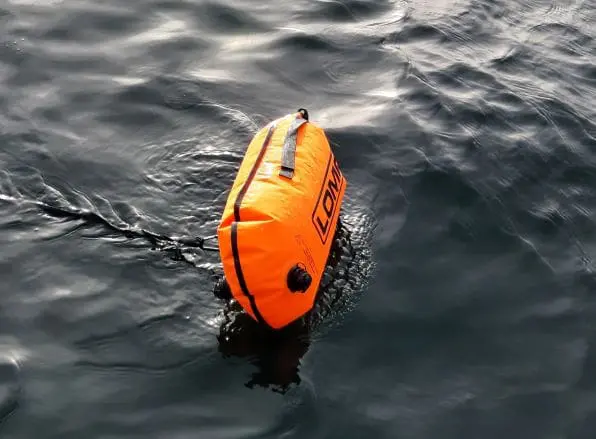
Cramp can be very debilitating whilst in the water so its best to have a swim float with you to hang on to. It also lets others see where you are and hopefully notice that you are in difficulty.
Treating cramp – stretching gently and lightly may help reduce the pain. When you’re out of the water, get warm and dry. Painkillers may also help. Always see your doctor if cramps continue afterwards or last more than 10 minutes on a regular basis.
4. Jellyfish and Weever fish stings.
Jellyfish stings:
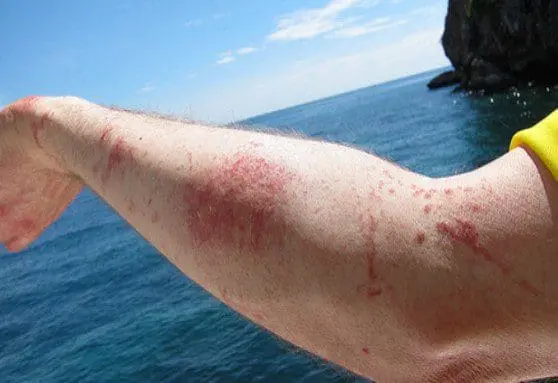
Jellyfish species and numbers are on the increase around the UK’s sea areas. Stings from jellyfish are painful and are essentially a chemical burn. The stingers may also lodge themselves onto your skin and need removed.
Treatment for jellyfish stings:
Remove the stings if they are lodged in your skin with a hard credit card or something similar. Wash the area with copious amounts of water – sea water initially then freshwater – for at least 20 minutes or until the pain subsides. If you have swum through a ‘smack’ of jellyfish (the appropriate collective noun for them!), you will probably need help to remove the stings and they may cover a substantial part of your body.
Hospital treatment is recommended depending on the area / size of burns on your body. You should always go to hospital if you have burns on your face, hands or genitals.
Weever fish stings:
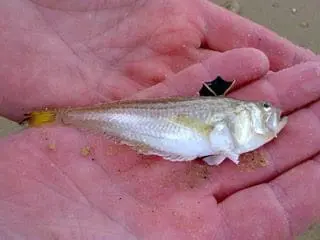
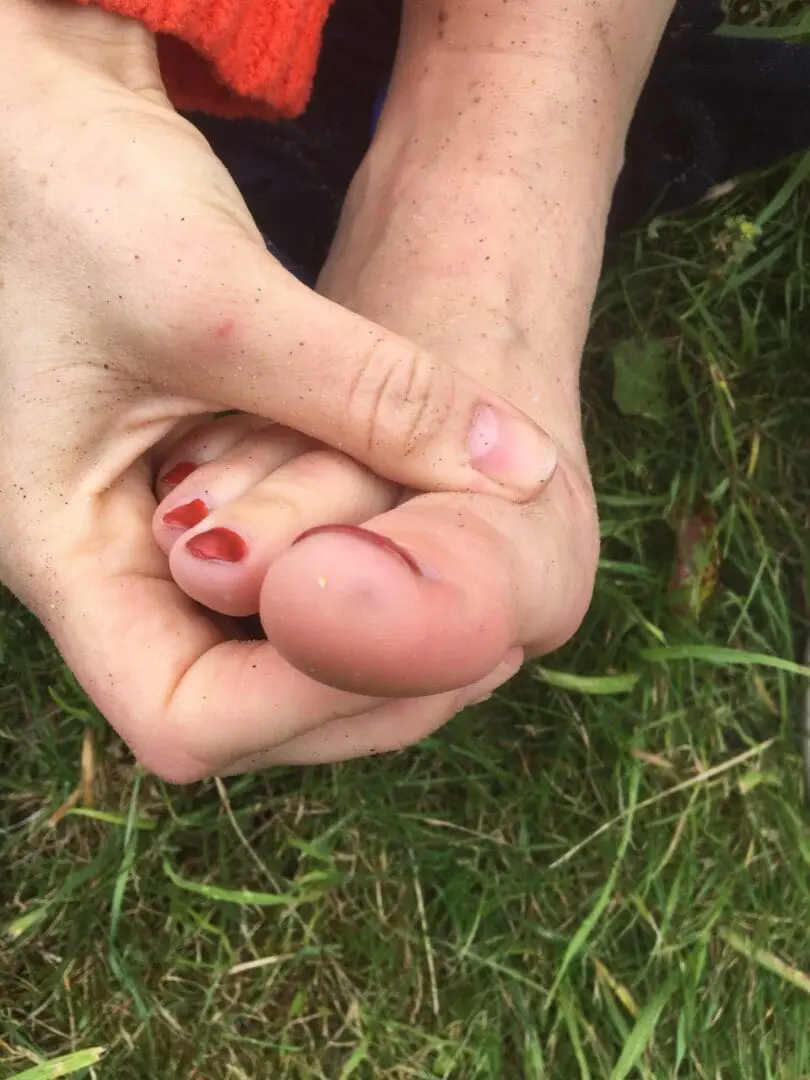
Weever fish (sometimes spelt weaver fish) are small fish that live in the sandy shallows at the seaside. They have a sharp dorsal fin to protect them and this injects a protein based poison into anything that comes into contact with them such as your hand, foot or bottom.
You may not see them until you step on them and you feel a very sharp pain. The pain will move up into your ankle and leg very quickly as the poison spreads.
Treatment for weaver fish stings:
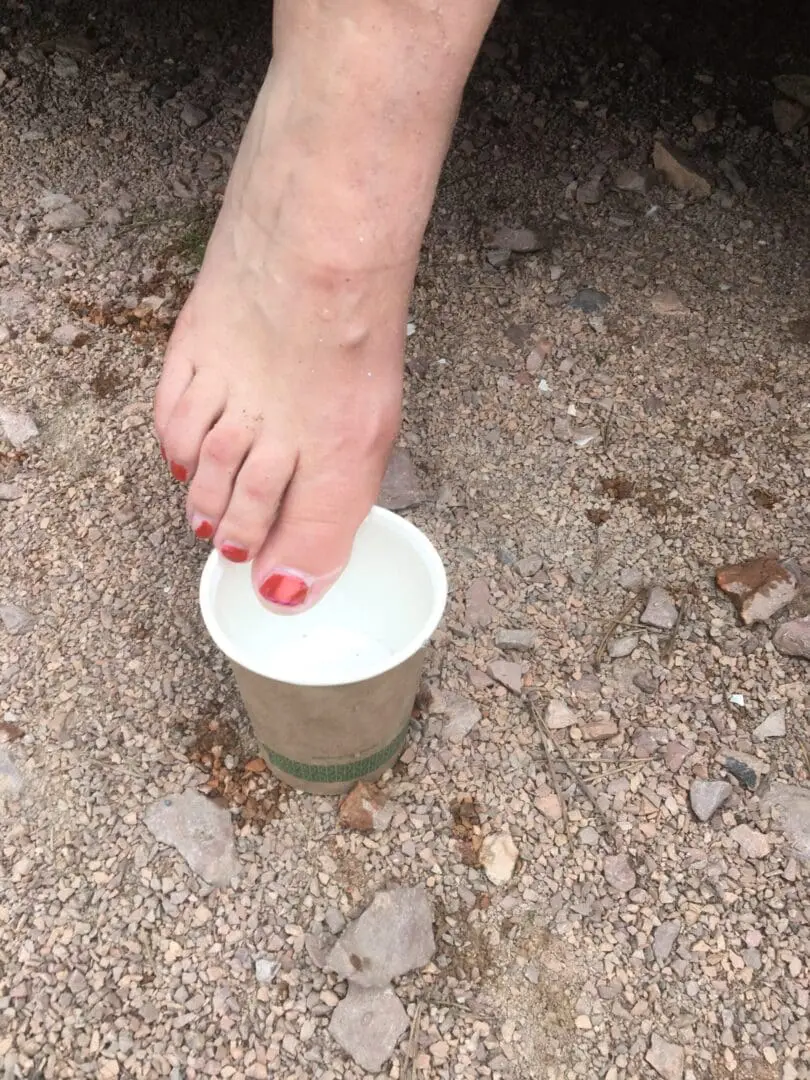
Because the poison is protein based, the best treatment is to break down the proteins by heating up the area. Place your injured area into cup or bucket of the hottest water you can tolerate. Have a cold cup or bucket nearby to relieve the pain from the heat. Use flannels or towels soaked in hot /cold water if you cannot get the injured part into a vessel of some sort. Swap between the hot and cold vessels until the pain subsides.
If the pain does not subside, go to hospital. The treatment in hospital may be similar but they will help you with other pain relief remedies.
5. Leptospirosis and other water-borne infections.
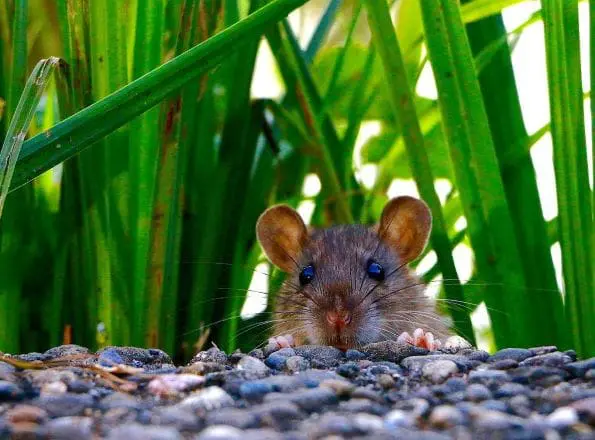
In freshwater environments, E.coli, blue-green algal blooms, leptospirosis / Weil’s disease and pollution can all spoil your day out! They’re not always obvious or even visible in the water. E.coli is a bacteria that is often in waters where sewage overflows have polluted the water, often after heavy rain falls. Blue-green algae blooms in great green blankets in hot dry spells. Leptospirosis and Weil’s disease are different strengths of a bacterial infection from the urine of mammals, mainly rats.
These may enter your body through your mouth or through any cuts or abrasions. Signs and symptom s vary with each hazard and may not appear until several hours or even weeks after the initial infection. Generally, diarrhoea, vomiting , headaches and fatigue are not signs that all is not well after your invigorating swim.
Treatment is to treat the symptoms with appropriate medicines plus rest and monitor your recovery. Check other swimmers that were with with you are all healthy as the infective agents do not just single you out! Always tell your doctor that you’re an open water swimmer so that they can consider other causes of illnesses or infections.
Remember, the benefits of outdoor recreation far, far outweigh the risks but it’s important to be aware – and prepared – for any mishaps.
Be prepared – think before you swim:
- Check your entry and exit points are safe – are there rocks, weeds, difficult bank or shoreline slopes?
- Let people know where you are and when you expect to be out of the water or back home. Keep in touch with them.
- Watch out for fast water ripples and changing tides (Check UK tide times here) – when the tide goes out, the mud is revealed!
- Don’t drink alcohol before or during your swim!
- Swim with other people – preferably people that know the area and who know what to do if you get into difficulty
- Don’t jump in. Enter the water slowly to prevent ‘cold water shock’
- Make sure you’re visible by wearing a brightly coloured cap and using a tow-float.
- If someone gets in trouble, don’t put yourself at risk but call for help – dial 999 or 112
- If you find yourself in difficulty FLOAT TO LIVE by lying on your back and regaining your breathing rate or manoeuvring yourself back to safety
- Have an appropriate first aid kit nearby – and go on a course!
Get confident – get trained!
Knowing what to do BEFORE it happens is essential and attending a first aid course will give you the knowledge and the confidence to deal with many swimming related first aid incidents. We are the largest provider of public Outdoor First Aid courses in the UK and our courses comply with the requirements of Sports Governing Bodies so you know they are relevant as well as useful. Find out more about our Outdoor First Aid courses here.
Everyone on our courses receives a FREE digital first aid manual. We have a range of manuals relevant to the courses we teach – Outdoor, First Aid at Work, Paediatric, Equestrian and Sports. They are a great resource that you can download onto your phone or other device and have all that first aid knowledge at your fingertips. You can view them and buy them for less than £5 here.