
Top ten Do’s and Dont’s for seizures
Updated April 2022
What is a seizure?
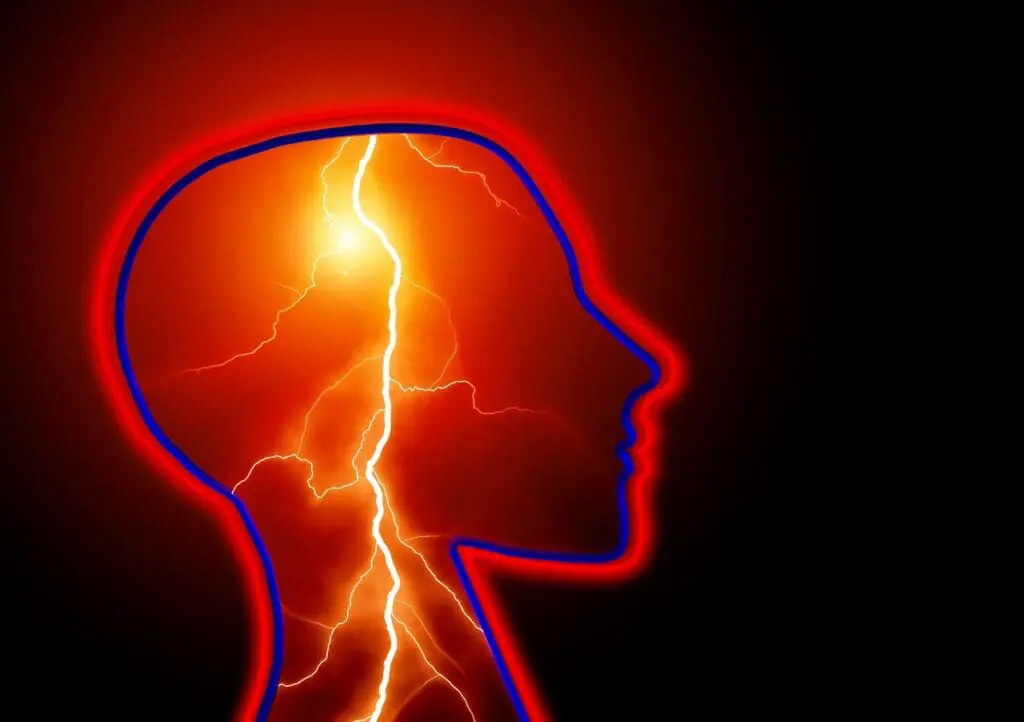
A seizure is a burst of uncontrolled electrical activity in the brain that causes temporary abnormalities in muscle tone or movements (fits, twitching or staring into space), behaviours, sensations or states of awareness. Major seizures may involve a lot of uncontrolled convulsions with very strong thrusts of arms or legs. Minor seizures, more accurately called Absence Seizures, are where the casualty ‘zones out’ or stares into space often clutching at parts of their clothing or twitching. Seizures typically last only a few minutes but are often frightening to watch. Knowing what to do – and what not to do- is essential for their recovery, dignity and your understanding of their illness.
Here are our list of top 10 “Do’s” and “Dont’s” for seizures:
What to do if someone is having a seizure:
- DO Move any objects, such as furniture, away from them so that they don’t hurt themselves. Only move the person is they are in a dangerous place, for example in the road
- DO Put something soft (such as a jumper) under their head to stop it hitting the ground
- DO Check the time to see how long the seizure goes on for. If the seizure lasts more than 5 minutes call an ambulance.
- DO Try to stop other people crowding around. Think of your casualty’s dignity – they wouldn’t want to awake to see lots of faces staring at them. Try to minimise any embarrassment. If they have wet themselves deal with this as privately as possible (for example, put a coat over them).
- DO call an ambulance if you have any concerns or they have injured themselves during the seizure. Most people’s seizures will stop on their own and the person will not need any medical help.
- DO take notes on what you observe during the seizure. This will be very useful to them and their medical team afterwards.
- DO Stay with them until they recover and can safely return to what they had been doing before. Some people recover quickly but others may take longer to feel back to normal again.
- DO Check that their breathing goes back to normal after the seizure. Put them in the Recovery Position if they don’t wake up. Watch our video on how to do this.
- DO Call for an ambulance if this is the first time the person has had a seizure

Things NOT to do whilst someone is having a seizure:
- DO NOT restrain (try to hold down) the person.
- DO NOT place anything between the person’s teeth during a seizure (including your fingers).
- DO NOT move the person unless they are in danger or near something hazardous.
- DO NOT try to make the person stop convulsing. They have no control over the seizure and are not aware of what is happening at the time.
- DO NOT give the person anything by mouth until the convulsions have stopped and the person is fully awake and alert.
- DO NOT start CPR unless the seizure has clearly stopped and the person is not breathing or has no pulse.
- DO NOT leave them. Stay with them so they have someone there when the seizure stops.
- DO NOT attract unnecessary attention to them whilst they are having their seizure – unless you can get someone who knows them to come and be with them for support.
- DO NOT phone for an ambulance immediately unless you know it is their first seizure, they have injured themselves, stop breathing or the seizure lasts more than 5 minutes.
- DO NOT make assumptions about the cause of the seizure. It is not always epilepsy but may have another cause.
What are the top 10 causes of seizures?
There are many commonly known causes including:
- Drug abuse
- Electric shock
- Epilepsy
- Stress
- Brain infection, including meningitis
- Fever (particularly in young children)
- Abnormal levels of sodium or glucose in the blood
- Head injury
- Heart disease
- Poisoning
Sometimes, no cause can be found. Most seizures happen suddenly without warning, last a short time (a few seconds or minutes) and stop by themselves. Seizures can be different for each person as the seizure is dependent on the part of the brain involved.
How can I help a friend or colleague who has seizures?
Ask them about their signs and symptoms and any early signs immediately before a seizure starts. Being a good friend or colleague will help reassure them if they feel a seizure coming on and that you are there to support them. Find out more about seizures in general.
Learn more about seizures and first aid on one of our first aid courses. Find out more about the range of courses we offer on our website.
[button_2 align=”center” href=”https://www.firstaidtrainingcooperative.co.uk/course-descriptions/” new_window=”Y”]Join us on a first aid course[/button_2]