

Weever fish can deliver a nasty sting that can put an abrupt end to fun on the beach or in the surf. In this blog, we describe what you should do if you are stung, and how to avoid being stung by a Weever Fish.
What are Weever Fish?
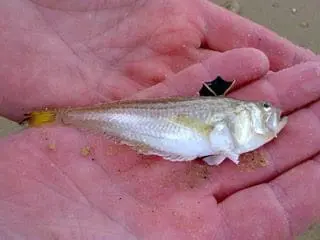
The Weever Fish near the UK coastline is the Lesser Weever. There is also a Greater Weever species, but this prefers deeper water.
Lesser Weever fish are found in the eastern North Atlantic, including in the Mediterranean on sandy beaches. They prey on other smaller fish and shrimps by burying themselves in the sand around shallow water – even damp sand recently exposed as the tide goes out. They are now found throughout the coast of Britain including the far north of mainland Scotland.
Lesser Weever fish can grow to a length of over 30cm and are brown in colour with a distinctive black dorsal fin and tail. This dorsal fin contains venomous spines that can sting us if we come into contact with them.
Most casualties are stung on the foot by standing on a fish but there are also cases where people have sat on a fish, or rolled on top of one whilst playing in the shallows. Most recorded cases are in the midsummer, however, this is likely due to the increased number of beach-goers at this time of year. The chances of an individual being stung are very small, but it does happen.
Weaver Fish Symptoms
Upon being stung, the casualty may think they have cut themselves on a sharp rock or shell, however, the pain quickly increases and after a few minutes can be extremely painful. The pain feels similar to a wasp or bee sting but often increasing further – casualties often report a sensation of their foot being ‘on fire’. This pain often starts to travel up the limb and can be very frightening for children.
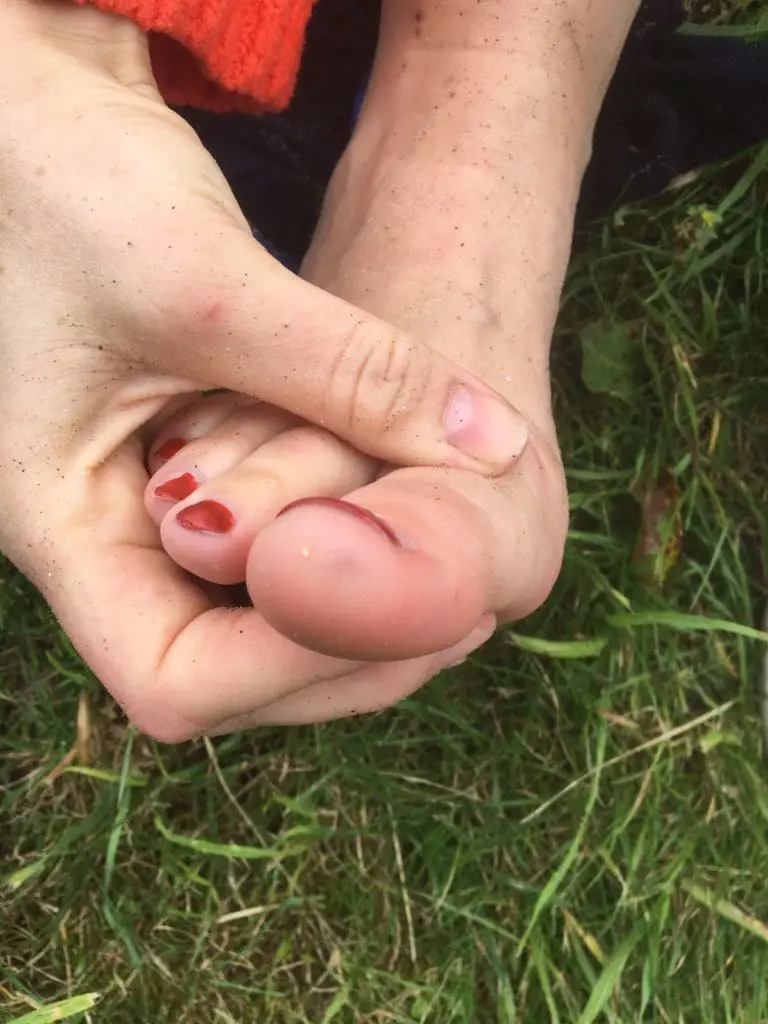
Other common symptoms include: swelling, itching, numbness, redness, tingling, heat, nausea or vomiting, shaking, joint aches, headaches, lightheadedness, abdominal cramps, and a sensation of needing to urinate. More severe reactions can include seizures, breathing problems, abnormal heart rhythms, decreased blood pressure, and unconsciousness.
Weever Fish Treatment
The poison is protein-based and to reduce the pain, we need to ‘de-nature’ or cook the protein.
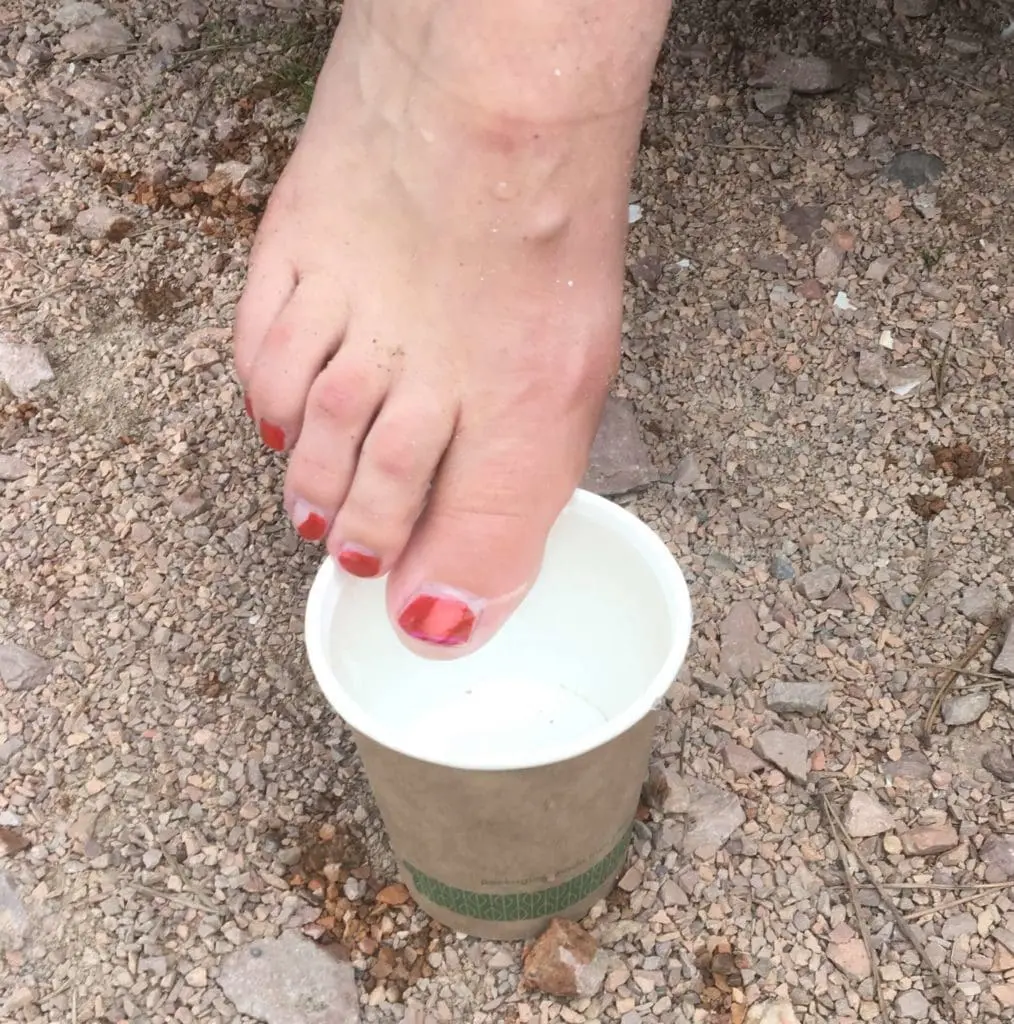
The best treatment is placing the affected area in a bowl of hot water for 10-15 minutes, replacing the hot water as it cools. This needs to be as hot as the casualty can stand, without scalding them – think of a very hot but bearable bath as a guide.
Having another vessel nearby with cold water is useful to relieve the pain of the heat is useful too. Get the casualty to move between the two. The hot water will help break down the protein based poison so get the casualty to persevere with this treatment. They should feel the difference in time.
Once the pain has subsided, check for and remove any remaining spines with tweezers. Continue the hot water treatment to help reduce discomfort caused by swelling if required.
It is a myth that adding anything to the water has any positive effect, so avoid around vinegar, smelling salts, urine etc!
If there are any longer-lasting, or more serious symptoms or pain is spreading through the body, you should seek medical advice. If you’ve been stung on the face or genitals, also seek medical help.
How to avoid being stung by Weever Fish
The best advice is:
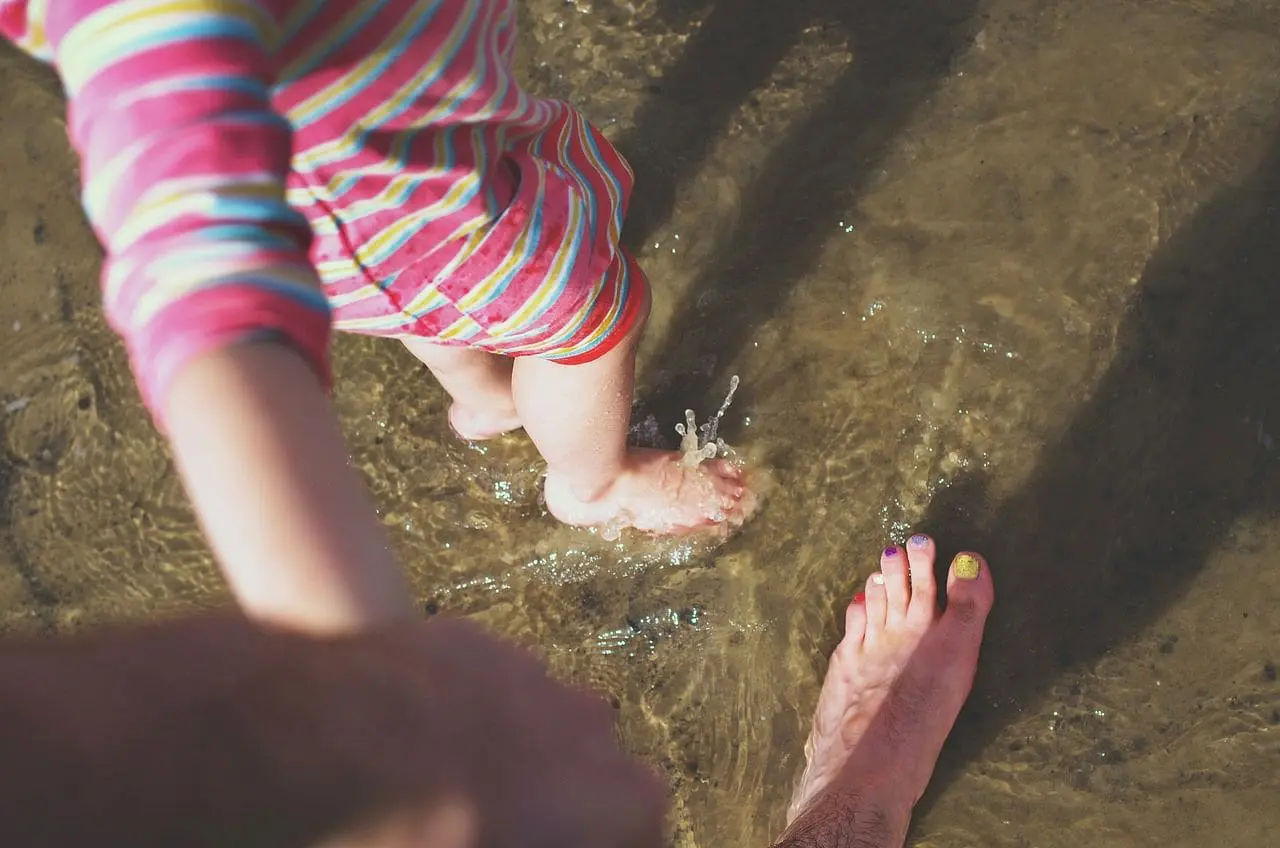
- Wear beach shoes or wetsuit boots if you are in the shallow water at a sandy beach. There are reports of people being stung through very thin wetsuit boots, so thicker is better.
- Avoid rolling around in the waves or sitting in the shallows.
Unfortunately, paddling in the sea is a fun thing to do so it’s a shame to limit that. So it is worth remembering that the chances of being stung are very small, but keep in the back of your mind what to do if it happens – is there a cafe, garage, hotel or house nearby where you could get some hot water in a hurry?
One last request – if you do encounter or see a weever fish, please report it to the local Biodiversity Officer in Local Authority. This helps us all know how far they’re spreading so we can continue to make more people aware of them. Thanks!
Get confident – get trained!
We cover first aid treatment for weever fish stings on our Outdoor First Aid courses. You can find out more about our courses here and in-particular our 2-Day Outdoor First Aid course.
Everyone on our courses receives a FREE digital first aid manual. We have a range of manuals relevant to the courses we teach – Outdoor, Equestrian, First Aid at Work, Paediatric and Sports. They are a great resource that you can download onto your phone or other device and have all that first aid knowledge at your fingertips. You can view them and buy them for less than £4 here.