Updated August, 2022
We think less about Weil’s disease infections these days and more about Lyme Disease. The number of infections is relatively low compared to something like Lyme disease. However, the figures of Weil’s disease infections reported via the Health Protection Agency show 3-4 recorded occurrence’s each year in Scotland but 50 in the whole of the UK.
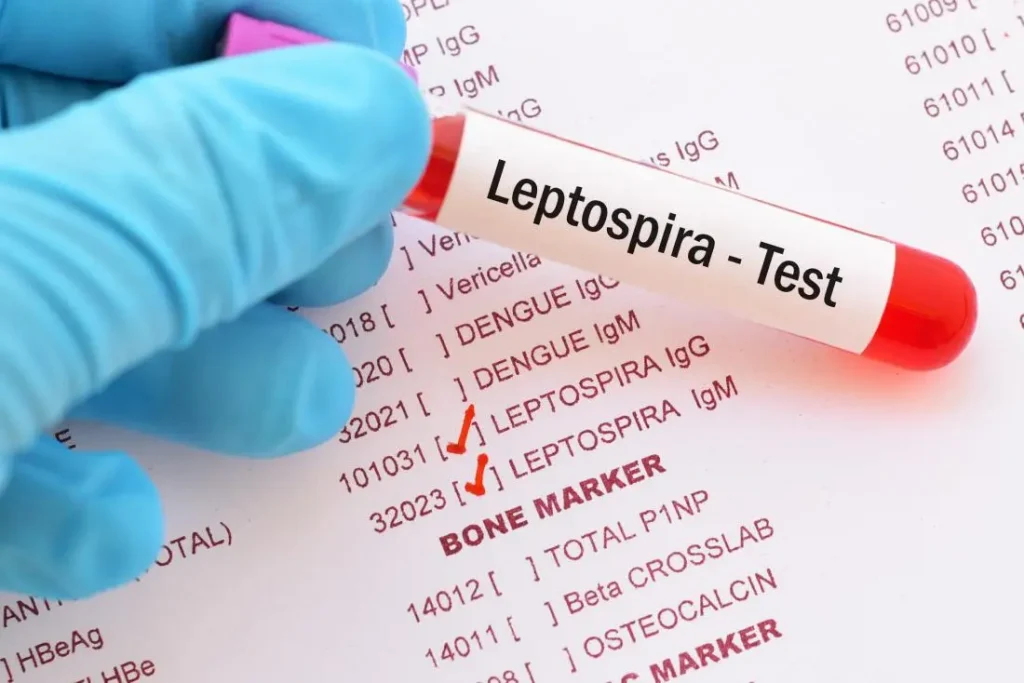
However, it is still worth knowing about Weil’s disease, its signs and symptoms and how it is carried. Weil’s disease is caused by the bacteria Leptospira. Hence the term Leptospirosis. Many of us may have had Leptospirosis but the infection become more serious when it goes into its second phase – Weil’s disease. This has more severe symptoms and is debilitating or even fatal in about 10% of cases.
Who is at risk of Leptospirosis?
Most people know that Leptospirosis can be spread in the urine of rodents and small mammals, but cattle also carry it. Anyone who comes into contact with sewers, waterways and agricultural land is at risk of contracting Leptospirosis. Additionally as outdoor workers are often involved in manual work they pick up small cuts and abrasions to their hands quite often, which is how the bacteria can enter our bodies.
How do you get leptospirosis?
The disease is a bacterial infection. It can enter your body through any orifice or opening, including uncovered cuts or grazes. Once inside, the bacteria will continue to spread over time, focussing mainly on your urinary tract but also infecting and affecting other organs in your body. In rare cases, you can also pass it on to others in your family through bad toileting hygiene.
Signs and symptoms of Leptospirosis
- cold or flu like signs
- headaches
- fever
- Sensitivity to light
- chills, muscle pain
- fatigue
- vomiting
- a rash
If left untreated there is the potential for Leptospirosis to develop into Weil’s disease:
Further bacterial spread may develop into Weil’s disease. You will then present with other symptoms including swollen ankles, jaundice (yellowing of the skin and eyes), bloodshot eyes, severe liver, heart or respiratory difficulties, coughing up blood and the inability to pee. Many of the signs of Leptospirosis could be easily dismissed as something else leading to you developing Weil’s Disease. Don’t dismiss your symptoms as something else. Think about where you’ve been and whether you may have become infected. If you are if unsure about any of your symptoms, it is worth getting in touch with your local GP or called NHS 111 for more advice. The NHS website also has good advice.
How can employers ensure protection for workers?
- Ensure an adequate Risk Assessment has been carried out for risky areas where Leptospirosis infection might reasonably be expected.
- Provide appropriate and adequate PPE. Ensure it is used and replaced when required.
- Provide fresh water onsite and/or hand wipes in order for workers to conveniently disinfect their hands and keep protected.
- Consider issuing wallet cards for staff and a letter to their GP sighting the risk of Leptospirosis infection in your employees.
- Employers need to report any cases of Leptospirosis contracted at work to the HSE in accordance with the Reporting of Injuries, Diseases and Dangerous Occurrences Regulations (RIDDOR).
Ten ways to avoid Leptospirosis and Weil’s disease:
- Education – Understanding the method of infection, signs and symptoms of Leptospirosis
- Plaster up cuts and grazes before you start working outdoors.
- Keep your hands away from your face – Avoid contact with your face, eyes and mouth.
- Always ensure you wipe and disinfect your hands before eating, drinking, using a phone or smoking.
- Use hand wipes on any cuts or grazes – Physically remove dirt and disinfect your hands to kill dangerous bacteria, especially where there is limited access to soap and water.
- Take rest breaks away from the work site.
- Wear appropriate PPE and wash it regularly.
- If you develop flu-like symptoms after working in potentially contaminated areas, visit your doctor and tell them the kind of work you’ve been doing and where you’ve been doing it.
- Be alert to the Risk Assessments that should accompany any work activity near risky sites.
- Get an alert card for your wallet/purse that states you work in an rea where you may be susceptible to Leptospirosis. Get a letter from your employer to go to your GP as well so they stay alert to any strange symptoms you may present with.
Get confident – get trained!
First Aid Training Co-operative can deliver EFAW+F or FAW+F courses for you at your chosen venue or if you are a smaller operator you can send staff on one of our public courses. Plus + F is a generic term meaning Forestry Operations. These courses are also relevant to many outdoor staff employed in the agriculture and horticulture sectors, landscaping and grounds maintenance, gillies and stalkers, plus fencing and machinery contractors.
The content on our First Aid +F courses can be found here. These courses build on the skills from Emergency First Aid and include scenario based, practical first aid skills and knowledge. These courses are some of the best in the industry and include dealing with catastrophic bleeding, crushing injury, Lyme disease, hypothermia and Emergency Action Planning. Plus Leptospirosis and Weil’s disease as well. These courses have been developed to comply with Forestry and Land Scotland requirements for contractors and staff and fit with FISA best practice.
Everyone on our courses receives a FREE digital first aid manual. We have a range of manuals relevant to the courses we teach – Outdoor, Equestrian, First Aid at Work, Paediatric and Sports. They are a great resource that you can download onto your phone or other device and have all that first aid knowledge at your fingertips. You can view them and buy them for less than £4 here.