

Updated September, 2022.
What is lightning?
Lightning strikes happen when positively charged particles form in a cloud and clash with negatively charged particles in the same cloud creating a a giant spark – lightning. The clash may also be as a result of different charges between the cloud and the earth below it. The spark or lightning bolt needs to earth and so is attracted to objects that are prominent in the landscape such as lightning rods on buildings, lone trees or people.
Some facts and falsehoods about Lightning Strikes:
The average lightning bolt is only one inch in diameter. TRUE. That one inch bolt can carry as much as 100 million-plus volts and is three times hotter than the surface of the sun.
Lightning never strikes the same spot twice. FALSE. The Empire State Building is hit around 25 times a year.
If you get struck by lightning, you will die. FALSE . Only 10 % of people struck by lightning die, however, most survivors do suffer lifelong severe medical problems.
A storm must be directly overhead to be dangerous. FALSE. Lightning is unpredictable. It can strike up to 25 miles away from its parent storm.
First Aid for a casualty who has been struck by lightning:
- Assess for danger – don’t rush in and become the second victim!
- Consider the cross contamination risk and put your gloves on from your first aid kit. This is especially important for the casualty if they have multiple burns or other injuries.
- Check the casualty’s airway and that they are breathing.
- If they are not breathing, phone 999/112 and start CPR.
- Prolonged CPR may be required because of your location but also because there may be some electrical damage to the part of the brain that regulates breathing. Continue CPR until medical help arrives and takes over. Involve others if it is safe to do so – share the workload of the compressions.
- Check the casualty for spinal injuries if they were thrown by the shock of lightning. Make a note of any spinal or neck abnormalities you find and tell the paramedics when they arrive.
- Check the casualty for burns and treat them with running water for 20 mins and cover with a sterile dressing to prevent infection. Check their whole body for burns. Check around jewellery, buckles, and especially fingers and toes. Read more about first aid for burns.
- Check their eyes and ears. The more delicate parts of eyes and ears can rupture in a lightning strike causing blindness or deafness which may be temporary. Keep this in mind when trying to communicate with the casualty.
- Casualties may be confused, nauseous or have temporary memory loss. Keep them calm and give them lots of reassurance.
- Continue to reassure and monitor the casualty until medical help arrives. You can download a free casualty monitoring card from our website.
- If there are multiple casualties, prioritise the care needed. A victim that is not breathing is highest priority. There is a relatively good chance of reviving a lightning casualty with CPR.
- Be prepared to treat for shock in any casualty. If they are conscious, lay them on their back with their feet raised at least 6″ off the ground. Keep them warm and calm. If they are unconscious, put them in the recovery position.
Am I in immediate danger in a lightning storm?
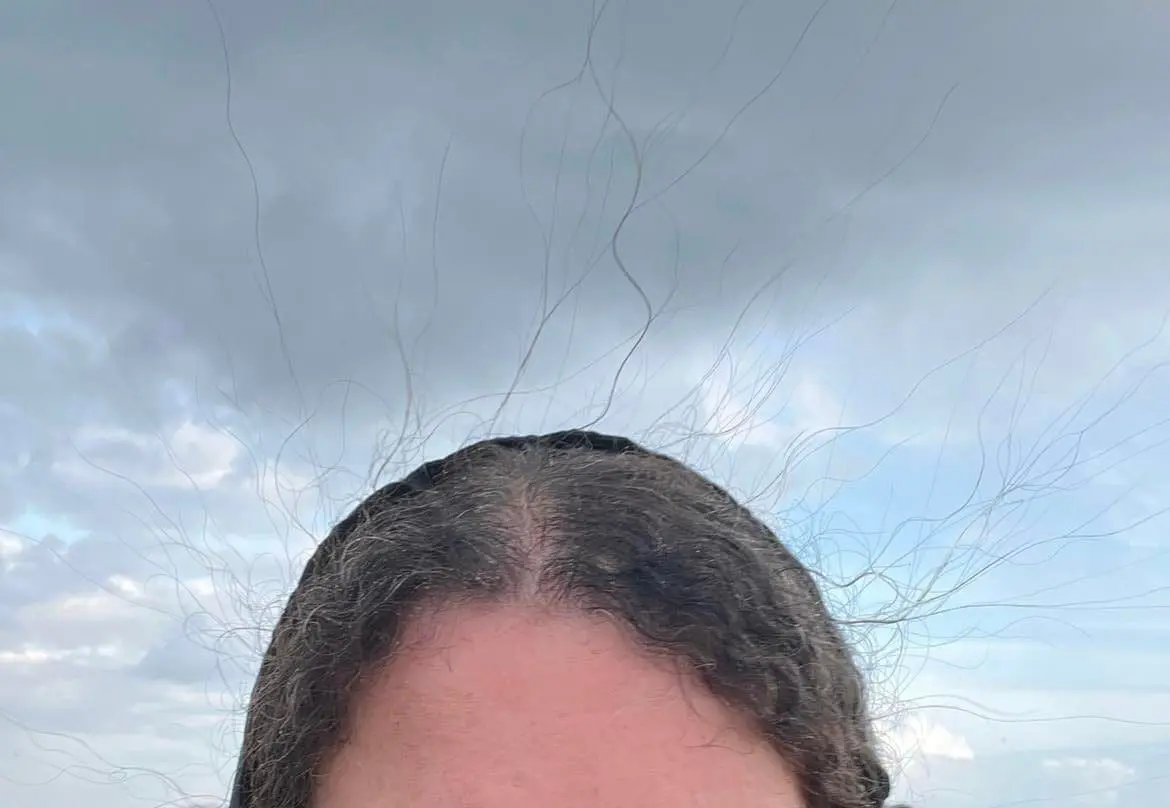
- Follow the 30/30 rule: If the time between seeing the flash of lightning and hearing the thunder is less than 30 seconds, take shelter. You are in a strike area. Remain in shelter for 30 minutes after the last flash of lightning.
- Signs of an imminent strike are your hairs standing on end, blue haloes around objects or a crackling noise in the air.
How far away is lightning?
- Count how many seconds pass between the flash of the lightning and sound of the thunder.
- Then divide the number of seconds by 5 to find the distance in miles (divide by 3 for kilometres) from you to the lightning (5 seconds = 1 mile).
Safety tips if you’re caught out in a lightning storm:
- Immediately get away from pools, lakes and other bodies of water or away from a beach
- Do NOT seek shelter under a picnic shelter, lone tree, or other object to keep you dry. It will attract lightning. The rain won’t kill you so its better to be wet and alive than dry and dead.
- Avoid caves unless you can get well inside and have several metres of clear dry cave on every side of you. Don’t sit in the cave entrance and don’t use caves with water running through them as this may conduct the lightning.
- Avoid standing near any tall objects.
- Keep away from metal objects including bikes, golf carts, umbrellas, fencing, machinery, etc.
- Get indoors if at all possible or get in a hard-topped vehicle with the windows closed.
- Cars are very safe places to be during lightning storms. Even though it is metal and seems like a perfect target, if it is struck the electricity will conduct through metal in the car, and around your body, not through it, and into the ground.
- If you get caught in an open field during a lightning storm, find a ditch to lie in if possible. If not, crouch down with your head between your knees (and don’t lie flat). Try to become as small as possible and in to a ball shape.
- If you are above treeline, seek shelter in the lowest area you can reach, preferably with large boulders around so you can get some protection from driving rain behind some smaller boulders.
- Sit on your empty rucksack, feet and all, on a (stable) scree slope. Crouch down on the rucksack and tuck yourself into a ball shape.
- If you are not able to get to any shelter, you need to become a small target and cross your fingers. Minimize your contact with the ground and minimize your height. Crouching down on the balls of your feet placed close together with your head tucked down is the recommended position.
- Put on your raingear and remove your backpack. If you have walking poles, leave them with your pack, away from you.
- Your group should not huddle together. Instead, have each person find shelter about 30 metres apart from each other.
Get confident – get trained!
- Come on one of our first aid courses. Our Outdoor First Aid course covers lightning strikes and other environmental hazards and injuries.
- Learn more about weather systems and how to read a weather map. Always check the weather forecast before venturing outdoors. On line apps often include lightning and severe weather warnings. The Met Office have a good video on how to read a weather map.
- There are several ‘lightening map’ websites that show you where lightening storms are in real time.