
Updated January 2022
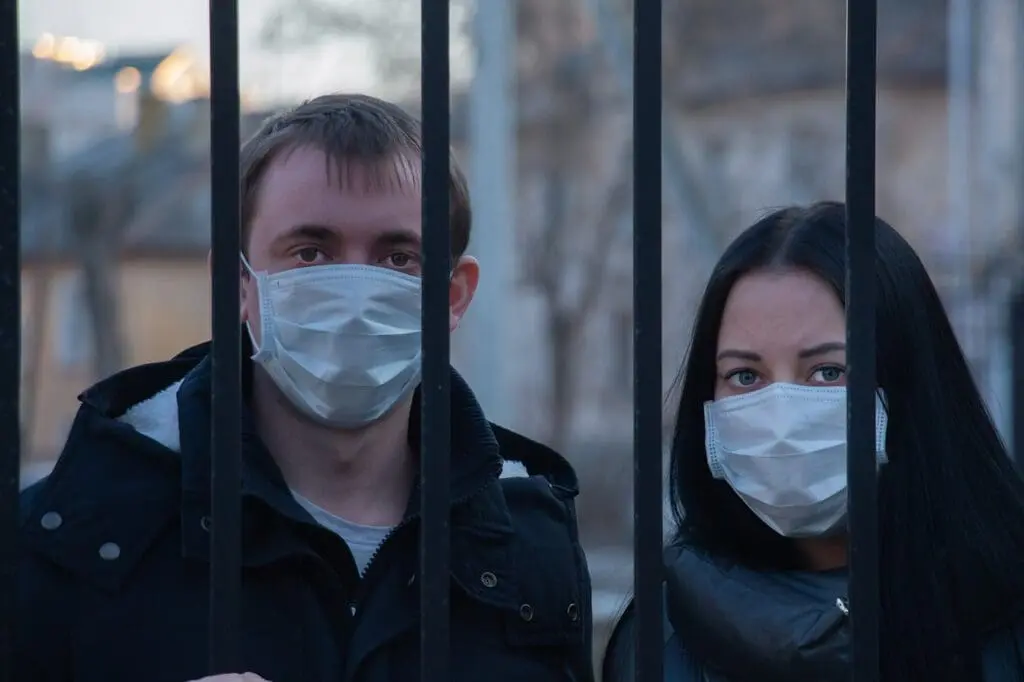
The Covid-19 virus is not going away and as another strain appears, the importance of protecting yourself and others means we all need to stay vigilant and take care of ourselves, our families , friends and colleagues.
Here are our top 5 essential tips on protecting yourself during the pandemic:
1. Knowledge – understand the nature of the virus. Know thy enemy!
Covid-19 mainly spreads through air-borne transmission, i.e. when you breathe, laugh, sing, cough, sneeze or do anything that means you exhale. Breathing is pretty important for us humans and it is why the disease is so hard to limit and spot.
Viruses are simple organisms that are built with RNA, not DNA. Their simplicity means they can mutate or change very easily and quickly which is why we have had so many variants and expect more to come. An organism that is built with DNA (like a human) is much more complex and therefore very unlikely to mutate significantly enough to change its whole being.
What makes the Covid-19 virus so infectious?
As the Covid-19 virus is transmitted through the air, it is important to understand HOW it is transmitted. This is mainly through droplets and aerosols from breathing, talking, coughs and sneezes from your nose and mouth. Droplets are larger emissions from your respiratory tract and more likely to come out during coughs and sneezes, laughter and singing. Aerosols are much smaller particles and are part of your normal breathing behaviour and when you speak. Those in close proximity, i.e. within 1-2 metres, are at risk of receiving contaminated breath through all of these means. This is why social distancing is so important. Surfaces are also temporarily coated with the virus.
From this we can see that social distancing and face coverings are an effective defence. Hand hygiene is also stressed as people breathe onto surfaces like door handles, and supermarket trolley handles. Or touch their mouth/nose and then a surface. Although the length of time that the virus can stay viable on different surfaces is mixed. This is when we cough, we should cough into our elbows and when we sneeze, the should use a tissue and dispose of it immediately, thereby not using our hands to catch coughs or sneezes.
2. Wear a mask
Masks are one of the main defences against sharing the Covid-19 virus. They protect others around you by limiting the aerosol level breaths coming from you.
What masks give you the best Covid-19 protection?
General advice for members of the public is that reusable face coverings are more practical, economical and environmental option. Some are designed to be reused a limited number of times and washed at certain temperatures. The easier they are to use and clean, the more likely folk will wear them.
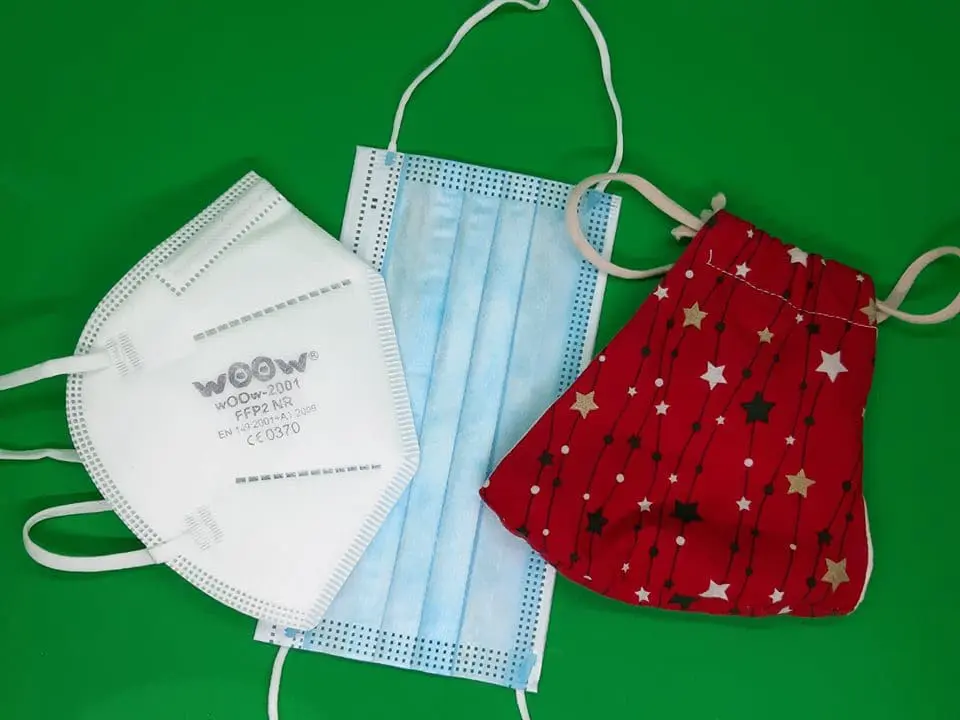
A homemade cloth mask doesn’t conform to any particular standards as it’s not a medical product (though there are voluntary ones in place), so it pays to be vigilant about who you buy from and know what to look out for. As a general rule, more layers are better. A layered mixture of tightly woven materials such as cotton, polypropylene, polyester and silk give the best protection. The mixture of materials allows for filtering as well as moisture wicking. Some masks come with a filter pocket which allows further protective layers to be inserted and removed for cleaning or replacement.
Many masks are sold as NHS Approved but there are many false claims attached to products. If you’re going to use a cloth face mask, you should be aware of their limitations and remember that where social distancing won’t be possible, a proper FFP mask is a much safer option. Also, that hand hygiene and avoiding touching the mask or face is still vitally important. Remember to change, clean and replace a cloth mask regularly.
Dust or respirator masks, called FFP masks (filtering face piece) are close fitting masks designed to protect you against inhaling of both larger droplets and fine aerosol particles. These need to be properly fitted to the face to be effective. These are single use but give you better protection against inhaling the virus making them good for crowded transport or events. Avoid the type with little plastic exhalation valves however, as these let big droplets in and out. Many countries are now requiring FFP masks be worn on public transport and in crowded places.
Coated facemasks are face coverings, snoods and buffs that claim to kill germs because they are coated with special antimicrobial coatings. The jury is out on the effectiveness of these at present. The coating also washes off eventually and we’re not sure how long it takes to ‘kill off’ the microbes on the surface of the mask as it’s unlikely to be instant.
Correct fitting is important with all masks so that no aerosol leaks out (or in!) or around the side of the mask. The ones with wires over the nose work best as they can be moulded to your face shape. The ties around the ears should also be adjusted so they don’t create a gap at the side. Masks with adjustable ear ties are best for this.
3. Don’t wear a ‘non-mask’ !
Buffs, bandanas, woolly scarfs, jacket collars, shirt or jumper tops pulled up over your mouth are all pretty much useless. The fabric weave (and therefore gaps) are very large compared to proper masks and don’t do anything or very little to protect you or those around you. Buffs are difficult to remove without touching the front, so should be avoided as you’re just contaminating your hands to then transmit the virus onto a person or surface. Most of these options are single layer too so are very ineffective.
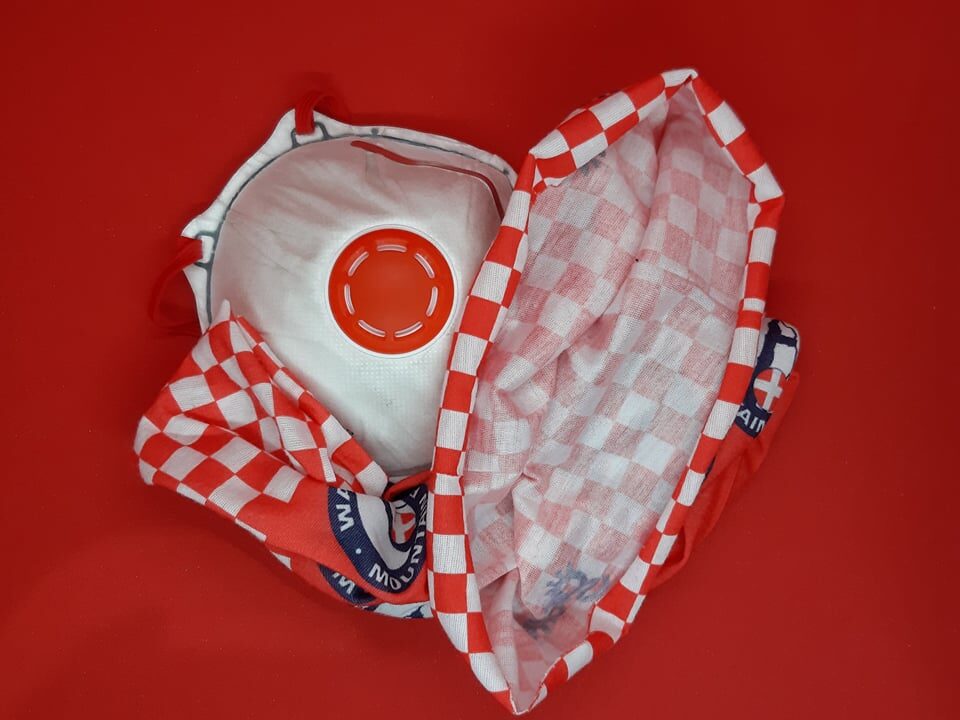
Cycling /commuter masks have an exhalation valve which means they won’t protect others, as you can still exhale unfiltered particles, so they aren’t suitable.
Cheaper dust masks can appear similar to those used in medical settings. Most are single or limited use, are very thin (i.e. not layered) and some have exhalation valves which means they aren’t suitable for protecting others. Ensure you use FFP dust masks if this is your choice of mask type.
4. Hand hygiene during the Covid-19 pandemic
Micro-organisms, like the COVID-19 virus, protect themselves from the outside world with a thin cell-wall. The cell wall of the COVID-19 virus is made from fat and is known as a ‘lipid cell wall’.
Soaps which are a mixture of oils and fat that when mixed with water can surround a micro-organism and break open their cellular wall and disrupting their chemical structure. This stops the micro-organism from working effectively and we often say we have ‘killed’ them.
Hand sanitizers with at least 60 per cent alcohol (ethanol) break open the lipid membranes of micro-organisms which is good, but they don’t remove microorganisms from the skin. This means hand sanitisers are not as reliable as soap.
Find more about the differences between hand gels and soaps here.
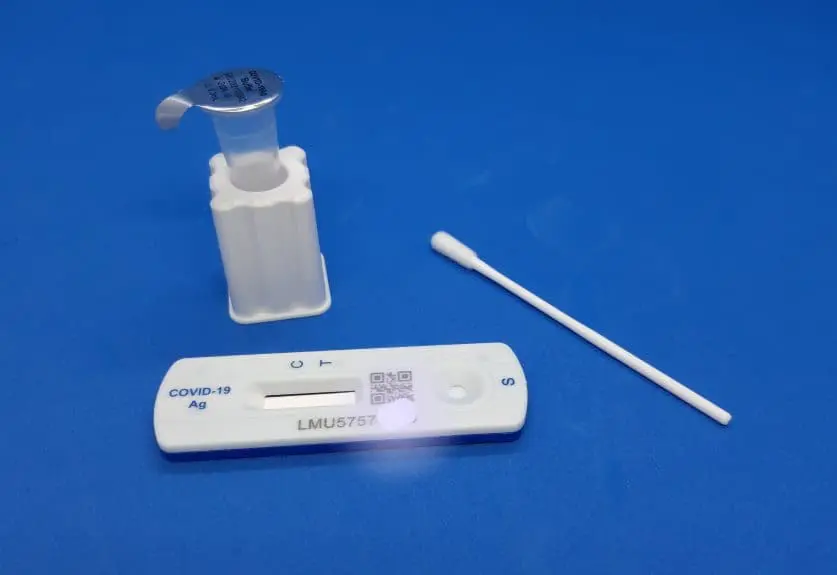
5.Get vaccinated, test yourself regularly and keep up to date.
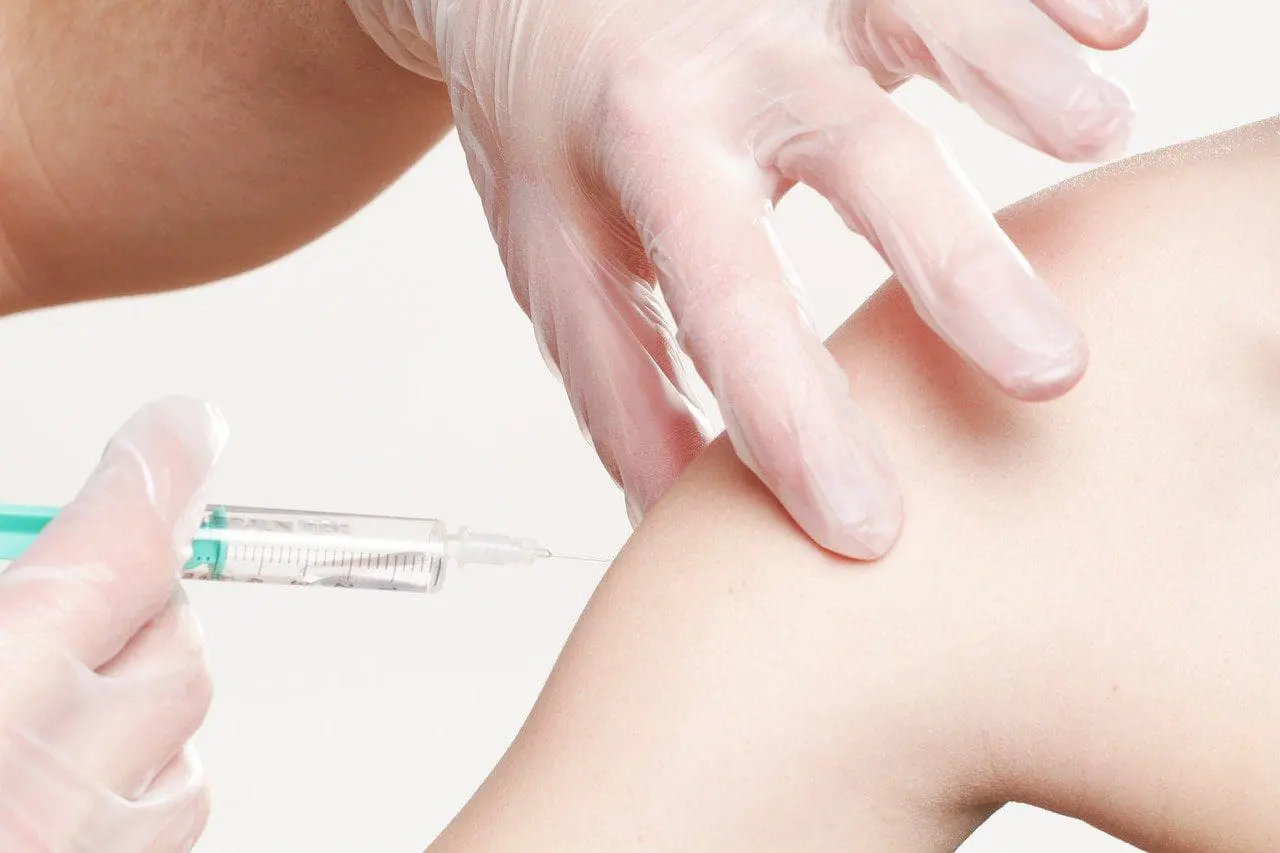
Getting Covid-19 can make you seriously ill or have long term effects such as Long Covid. Getting vaccinated is the best way to protect yourself, others and to minimise the seriousness of the disease if you do get it.
Research has shown that getting vaccinated will help:
- Reduce your risk of getting seriously ill or dying from Covid-19
- Reduce your risk of catching or spreading Covid-19 to others
- Protect against Covid-19 variants
Additional doses and boosters are required to maintain your protection as with any disease that has variants. This is not a new approach and is why the flu vaccination changes every year.
Find out who, how and where to get vaccinated with this link
Testing yourself at home with Lateral Flow Test kits is another important strategy to protect yourself and others. These kits are free and easy to get online or through pharmacies. They are easy to use and give you a result within 30 minutes. And please report your results as it helps with the statistics which then informs on the mitigation strategies. You can order a batch of 7 Lateral Flow Test Kits through this link.
Keeping up to date also keeps your protection up to date. Keeping abreast of the latest research findings and, of course, advice on any changes to Covid-19 guidance. We found this series of 3 programmes from the Royal Institution on the virus to be really useful and easy to understand. They’re aimed at young people, but are suitable for adults too!